
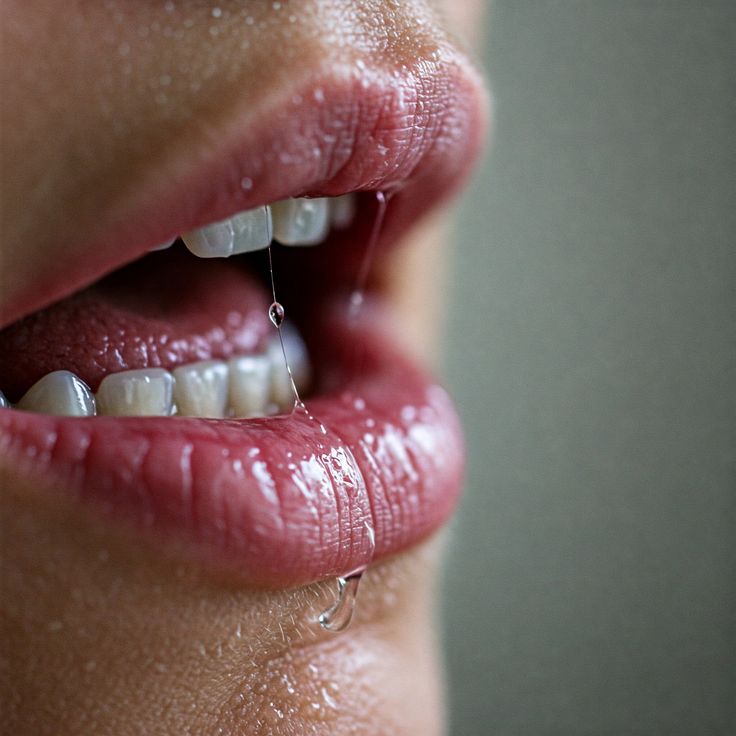
Do you always feel like your mouth is sticky and dry? You are not alone. Millions of people deal with this every day. The good news is that your own body can fix it. Simple exercises to stimulate saliva can wake up your salivary glands and bring real relief without any medicine.
These exercises work for all ages. Whether you are looking for swallowing exercises for the elderly or just need a quick way to get more moisture in your mouth, this guide has you covered. Let’s go step by step.
Why Exercises Help with Dry Mouth
Your salivary glands sit in three main spots: under your tongue, along your jaw, and near your ears. When you move your tongue, jaw, and facial muscles, you gently massage these glands. This massage tells them to produce more saliva.
About 10% of adults deal with dry mouth regularly, and that number goes up to 20% or more in older adults, according to data from the National Institute of Dental and Craniofacial Research. Doing these exercises a few times a day can make a real difference over time.
Tongue Exercises to Stimulate Saliva
Tongue exercises are the easiest place to start. They directly activate the sublingual glands that sit right under your tongue.
Tongue Press
Press your tongue firmly against the roof of your mouth. Hold it there for 5 to 10 seconds. Release slowly. Repeat 10 to 15 times. This is one of the best tongue exercises for eating and speaking too because it also builds tongue strength.
Tongue Circles
Move your tongue in a big slow circle around the inside of your mouth. Touch your teeth and gums as you go. Do 10 circles one way, then 10 circles the other way. This motion rubs against the glands and helps get saliva flowing.
Tongue Benefits Beyond Dry Mouth
These tongue exercise benefits go beyond just saliva. They improve tongue strength for swallowing, help with mouth exercises for speech, and even support clearer pronunciation. People recovering from a stroke or dealing with speech delays often use similar routines.
Jaw Exercises to Stimulate Saliva Flow
Your jaw muscles are connected to your parotid glands, the largest salivary glands in your body, located near your ears.
Jaw Chewing Motion
Open and close your mouth slowly as if you are chewing food. Do this for 30 seconds. This simple movement stimulates the parotid glands and increases saliva fast. This is also a great mouth exercise for jawline toning and jaw muscle strength.
Yawning Stretch
Open your mouth as wide as you can, just like a big yawn. Hold it for a few seconds. Relax. Repeat 5 to 10 times. This stretches the jaw muscles and activates the glands around your ears.
Swallowing Exercises for Dry Mouth Relief
Swallowing exercises are especially helpful for people who have trouble with dry mouth while eating or sleeping. They are also used as swallowing exercises for the elderly who deal with reduced saliva and difficulty swallowing with age.
Effortful Swallow
Swallow hard and on purpose, as if you are swallowing something thick. Focus on squeezing all the muscles in your throat as you do it. Repeat 10 times. This is one of the most recommended throat exercises for swallowing by speech therapists.
Chin Tuck Swallow
Tuck your chin down to your chest. While holding this position, do a hard swallow. This position uses the throat muscles in a different way and strengthens the whole swallowing system. Repeat 5 to 8 times slowly.
Tongue Hold Swallow
Stick your tongue out slightly between your teeth. Now swallow while keeping your tongue in place. This is harder than it sounds. It works the back of the throat and tongue at the same time. This exercise is commonly found in tongue-strengthening exercise PDF guides used by occupational therapists.
Facial Muscle Exercises That Boost Saliva
Your cheek and lip muscles are connected to your salivary glands. Moving them helps too.
Cheek Puffs
Fill your cheeks with air like a balloon. Hold for 5 to 10 seconds. Let the air out slowly. Do this 10 times. This pushes against the parotid glands and helps stimulate saliva production naturally.
Lip Pucker and Smile
Pucker your lips tight like you are going to whistle. Hold for 5 seconds. Then stretch your mouth wide into a big smile. Hold for 5 more seconds. Repeat this 10 to 15 times. This is one of the most useful mouth exercises for speech therapy too, as it strengthens lip control.
Facial Massage for Salivary Gland Stimulation
Gentle massage is a natural way to wake up sluggish glands.
Use two fingers and rub small circles just in front of your ears for your parotid glands. Then move to the area under your chin for the submandibular glands. Do each spot for one to two minutes. This is especially helpful first thing in the morning or right before meals.
Tips to Make These Exercises Work Better
- Do your exercises 2 to 3 times a day for best results
- Stay well hydrated by sipping water throughout the day
- Chew sugar-free gum between exercises to keep saliva flowing
- Use a humidifier at night to stop your mouth from drying out while you sleep
- Avoid caffeine, alcohol, and tobacco, as they reduce saliva production
For swallowing exercises for the elderly, always start slow and check with a doctor or speech therapist if swallowing feels painful or difficult.
Learn about foods that increase saliva production.
Conclusion
These exercises to stimulate saliva are simple, free, and work for everyone. From tongue presses and jaw chews to throat exercises for swallowing and cheek puffs, each one targets your salivary glands in a specific way. Whether you are looking for mouth exercises for speech, tongue exercise benefits, or tongue strengthening exercises to pair with a PDF guide from your therapist, these moves are a great daily habit to build. Start with just two or three exercises today and add more as you go. Your mouth will thank you.
FAQs
Q1. How often should I do exercises to stimulate saliva?
Two to three times a day gives the best results.
Q2. Do swallowing exercises for the elderly really help?
Yes. They strengthen throat muscles and improve saliva flow over time.
Q3. What is the fastest exercise to produce more saliva?
The jaw chewing motion gives the quickest response.
Q4. Can tongue exercises help with speech too?
Yes. Tongue exercises benefit both saliva production and speech clarity.
Q5. Are throat exercises for swallowing safe to do at home?
Most are safe, but if swallowing is painful, consult a speech therapist first.