
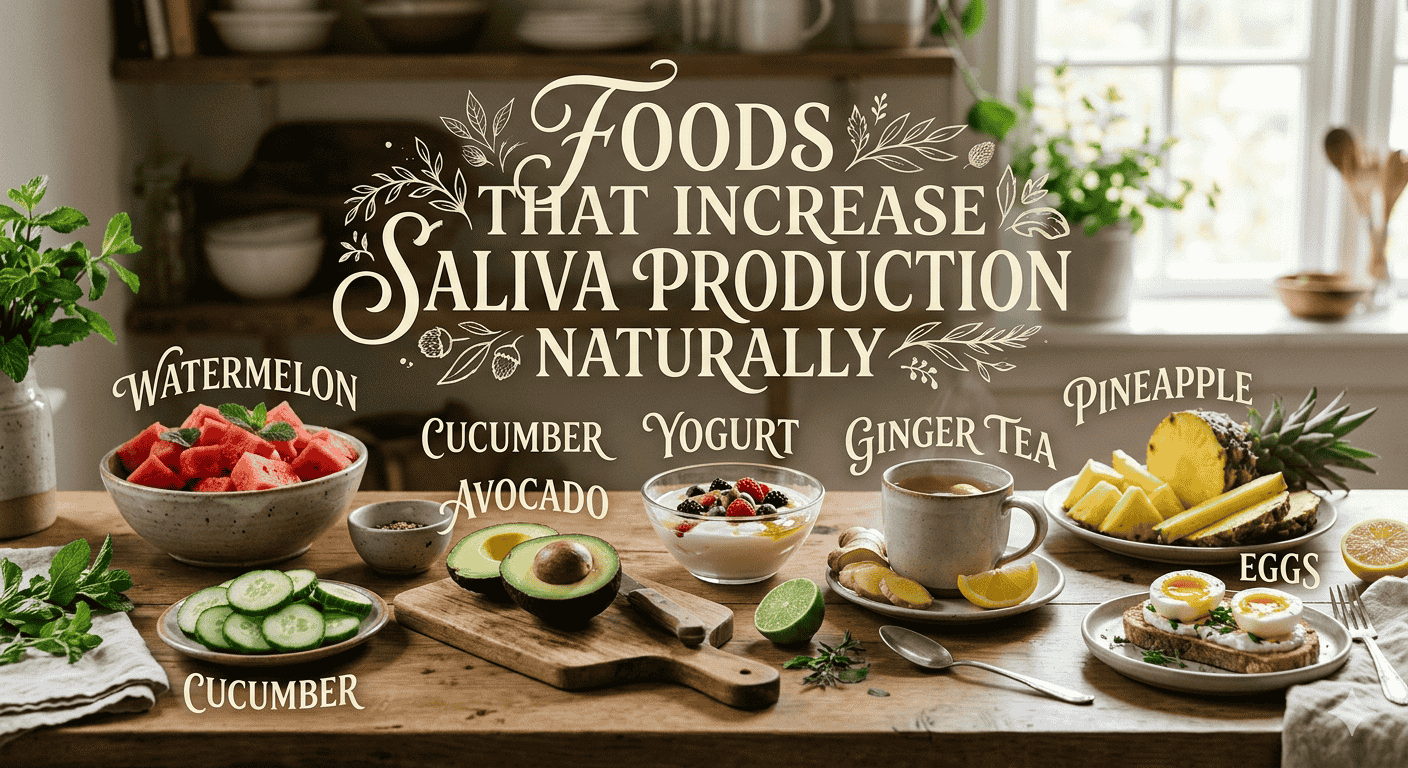
Have you ever woken up in the middle of the night with a sticky, dry mouth that just would not go away? That feeling is more common than you think. Millions of people deal with it every single day. The good news is that what you eat can make a huge difference. Certain foods that increase saliva production can actually turn things around fast, without any expensive products or visits to the doctor.
Dry mouth, known in medical terms as xerostomia, is not just annoying. It can cause bad breath, tooth decay, trouble swallowing, and even infections in your mouth. It happens when your salivary glands stop making enough saliva. Medications, dehydration, aging, diabetes, nerve damage, and smoking are all common causes. Understanding what a dry mouth is a sign of helps you take the right steps toward fixing it.
This guide covers everything you need. From the best foods and drinks that bring relief, to simple exercises to stimulate saliva, to the miracle cure for dry mouth at night that actually works. Keep reading because this is your full, honest roadmap to getting your mouth feeling normal again.
What Is Dry Mouth and Why Does It Happen?
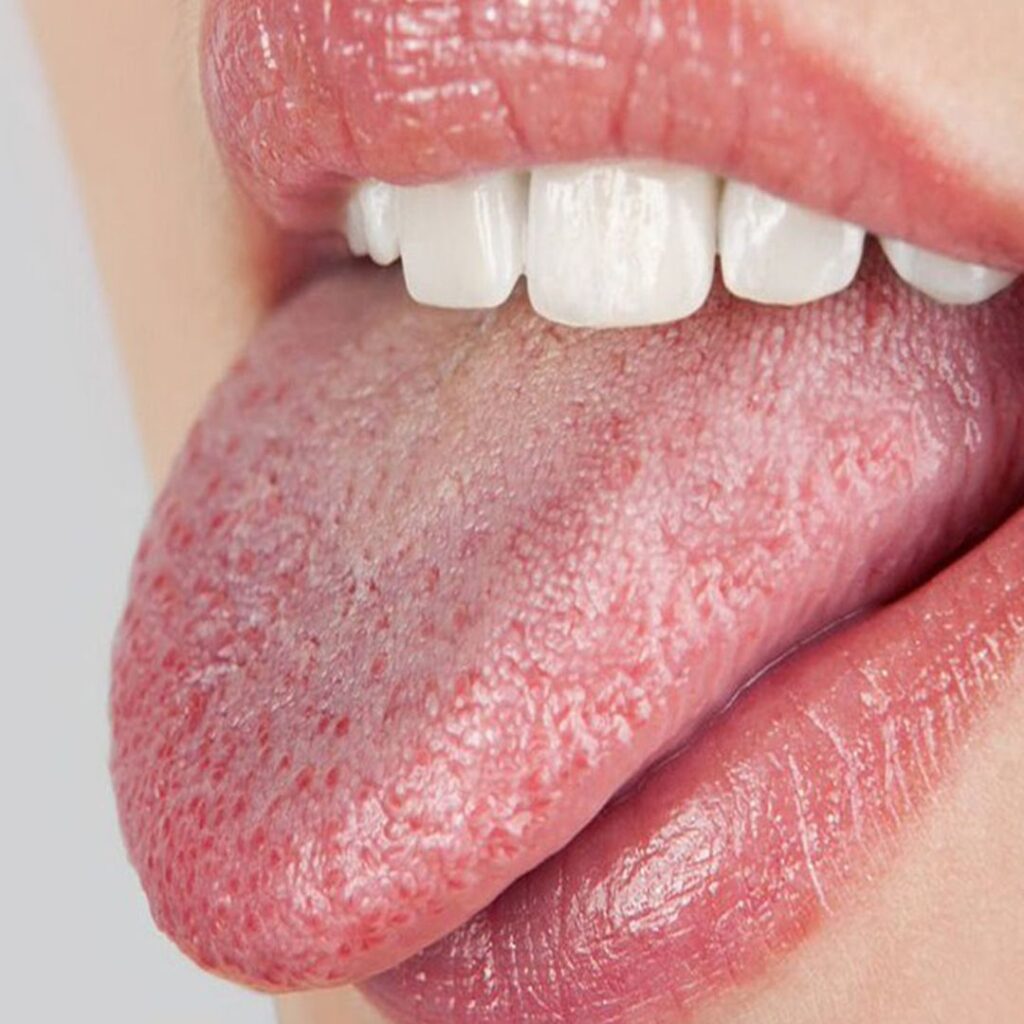
What Is a Dry Mouth a Sign Of?
Dry mouth is often a sign that something else is going on in your body. The most common reason is medication side effects. More than 500 medications list dry mouth as a side effect, including antihistamines, antidepressants, blood pressure drugs, and pain relievers.
Other causes include autoimmune conditions like Sjogren’s syndrome, radiation therapy to the head or neck, dehydration, breathing through your mouth at night, and smoking or tobacco use. If your dry mouth keeps coming back, it is worth talking to a doctor to rule out an underlying condition.
Why Saliva Matters for Oral Health
Saliva is not just water. It contains minerals, proteins, and enzymes that protect your teeth, help you chew, and fight bacteria. When saliva flow drops, your risk of tooth decay, gum disease, and bad breath goes up fast. That is why keeping your salivary glands active is so important.
15 Best Foods That Increase Saliva Production
These are the top foods your mouth actually needs. Each one helps stimulate saliva flow, keep your mouth moist, and support better oral health overall.
1. Watermelon
Watermelon is over 90% water. It is one of the most hydrating fruits you can eat. Its natural sweetness and high water content make your salivary glands work right away. Eat it cold as a snack or blend it into a smoothie for quick moisture relief.
2. Cucumber
Cucumber has a very high water content and a satisfying crunch. Chewing it activates your jaw muscles and tells your salivary glands to get to work. It is one of the simplest and most accessible foods that help with dry mouth every day.
3. Celery Sticks
Celery works in two ways. First, it has a high water content that directly adds moisture to your mouth. Second, the act of chewing it hard stimulates saliva production naturally. It is one of the best exercises to stimulate saliva without even trying.
4. Yogurt
Plain, sugar-free yogurt with live cultures is great for a dry mouth. The probiotics in it support a healthy oral environment and encourage more saliva flow. It is soft, easy to eat, and gentle on sensitive mouths. Always pick low-sugar varieties to avoid worsening the problem.
5. Oatmeal
Warm oatmeal helps the mouth hold moisture longer. It is soft, comforting, and easy to swallow even when your mouth feels dry. Adding honey or fresh berries to your oatmeal gives it extra moisture and flavor.
6. Avocado
Avocado is rich in healthy fats that lubricate the mouth from the inside. It adds a creamy texture that helps with dryness right away. Add it to a sandwich or salad, or eat it plain with a little salt. It is one of the most satisfying foods to eat when you have dry mouth.
7. Coconut Water
Coconut water is packed with electrolytes that keep your body and mouth hydrated. It supports saliva production and is much better for you than sugary drinks. If you are looking for how to produce more saliva fast, sipping coconut water throughout the day is a smart move.
8. Ginger Tea
Ginger has natural anti-inflammatory properties. It also stimulates saliva flow, which makes it a go-to remedy for dry mouth. Brew it fresh, let it cool slightly, and sip it slowly. It works well as a miracle cure for dry mouth at night when you want something warm and soothing before bed.
9. Pineapple
Pineapple contains an enzyme called bromelain. This enzyme helps reduce inflammation and can ease the discomfort that comes with a very dry mouth. It also gets your salivary glands going quickly. Just be careful not to eat too much, as the acidity can wear on tooth enamel over time.
10. Soft Cooked Carrots and Zucchini
Soft, steamed vegetables like carrots and zucchini are gentle on dry mouths. They contain water and nutrients that support oral health. They are also easy to chew, which naturally triggers more saliva in the mouth.
11. Chicken Broth and Soups
Warm broth is one of the fastest ways to bring moisture back into your mouth. Low-sodium chicken or vegetable soup is easy to sip and swallow. It is especially good for people who find chewing painful or hard due to severe dry mouth.
12. Eggs
Eggs are soft, easy to eat, and packed with protein. A soft diet that includes eggs is often recommended for people with xerostomia. Scrambled, poached, or boiled, they are easy to prepare and gentle enough for a dry, sensitive mouth.
13. Smooth Peanut Butter and Almond Butter
Nut butters are creamy and satisfying. They coat the mouth in a way that brings temporary relief from dryness. Pair them with soft bread or mix into a smoothie. Just drink water alongside, as they can feel sticky on their own.
14. Cheese
Cheese, especially soft types like mozzarella and cream cheese, actually helps stimulate saliva. It also contains calcium that protects your teeth. It is one of those foods that works doubly well for people dealing with dry mouth and tooth sensitivity at the same time.
15. Herbal Teas
Caffeine-free herbal teas like chamomile and peppermint help keep the mouth moist. Peppermint tea in particular can help stimulate saliva flow. Avoid caffeinated teas and coffee, as these act as diuretics and make dry mouth worse.
How to Increase Saliva in Mouth Naturally
Beyond food, there are several natural methods that work well for boosting saliva on a daily basis.
Stay Hydrated All Day Long
Aim for 8 to 12 glasses of water per day. Carry a water bottle everywhere you go. Small, regular sips are more effective than drinking large amounts all at once. Sugar-free juices, club soda, and herbal teas with lemon are also solid options when plain water feels boring.
Chew Sugar-Free Gum
Chewing sugar-free gum is one of the easiest and most well-known ways to increase saliva fast. The act of chewing sends a signal to your salivary glands to produce more saliva. Look for gum sweetened with xylitol, which also protects your teeth from decay.
Suck on Sugar-Free Candy
Sucking on sugar-free hard candy or even fruit pits from cherries or olives can stimulate saliva flow quickly. This is a simple and cheap way to get relief at any time of day.
Exercises to Stimulate Saliva
Yes, exercises can actually help your salivary glands work better. These are easy to do at home and cost nothing.
Jaw and Tongue Movements
Open and close your mouth slowly ten times. Then move your jaw side to side five times each way. After that, press your tongue against the roof of your mouth and hold for five seconds. Repeat this three times. These movements massage the salivary glands and encourage them to release more saliva.
Facial Massage
Gently massage the area just below your ears and along your jaw line. These are the locations of your major salivary glands. Doing this for two to three minutes a day can help stimulate saliva gland activity naturally.
Yawning and Swallowing Practice
Practicing big yawns and conscious swallowing exercises also activates the muscles around the salivary glands. Do ten slow, intentional swallows in a row. This is especially helpful right before bed to manage the miracle cure for dry mouth at night that so many people search for.
Miracle Cure for Dry Mouth at Night
Nighttime dry mouth is a real struggle. Your saliva production naturally drops while you sleep, and if you breathe through your mouth, it gets even worse.
What Is the Fastest Way to Cure Dry Mouth at Night?
Here is what works best before bed. Drink a glass of water right before you sleep. Use a humidifier in your room to add moisture to the air. Avoid alcohol, caffeine, and salty snacks in the evening. Try sleeping on your side instead of your back to reduce mouth breathing. Brush with fluoride toothpaste and avoid mouthwashes that contain alcohol.
Some people find that sipping chamomile or ginger tea before bed acts as a miracle cure for dry mouth at night. It calms the mouth, adds hydration, and helps you sleep more comfortably.
Saliva Substitutes for Dry Mouth
When food and water are not enough, saliva substitutes for dry mouth can fill the gap.
What Are Saliva Substitutes?
Saliva substitutes are products designed to mimic the feel and function of real saliva. They come as sprays, gels, and rinses. They contain ingredients like carboxymethylcellulose or hydroxyethylcellulose that coat the mouth and reduce dryness. They are not a permanent fix, but they give real, fast relief, especially at night or when eating.
Other Products That Help
Sugar-free lozenges, xylitol-based oral rinses, and prescription saliva stimulants called sialogogues are also available. If your dry mouth is severe and caused by medication or a health condition, your dentist can recommend the best saliva substitutes for your specific situation.
Foods and Drinks to Avoid with Dry Mouth
- Caffeinated drinks like coffee, soda, and regular tea dehydrate your body and reduce saliva flow
- Alcohol and alcohol-based mouthwashes for the same reason
- Very salty, spicy, acidic, and sugary foods, as they irritate an already sensitive mouth
- Dry and crumbly foods like crackers, toast, and dry cereals, since they are hard to chew and swallow when your mouth lacks moisture
- Cow’s milk, as it can sometimes produce thicker saliva and make dryness feel worse for some people
Conclusion
If you have been dealing with a dry, sticky mouth, the fix might be simpler than you think. Adding the right foods that increase saliva production to your daily meals is one of the most natural and effective ways to get relief. From juicy watermelon and crunchy celery to warm ginger tea and creamy avocado, your diet has more power over your oral health than most people realize.
Combine smart food choices with regular hydration, simple exercises to stimulate saliva, and the right saliva substitutes for dry mouth when needed. If you are dealing with the miracle cure for dry mouth at night, start with a humidifier, herbal tea before bed, and avoiding caffeine in the evening. Always remember that knowing what is a dry mouth a sign of can help you catch a bigger health issue early. If symptoms keep coming back, talk to your dentist because persistent dry mouth needs proper care and attention.
Learn about white blemish on tongue.
Frequently Asked Questions
Q1. What is the fastest way to cure dry mouth?
Sip water, chew sugar-free gum, or suck on a sugar-free lemon drop. These work within minutes.
Q2. How to produce more saliva fast?
Chew sugar-free gum or eat crunchy, water-rich foods like celery or cucumber right away.
Q3. What is a dry mouth a sign of?
It can be a sign of dehydration, medication side effects, diabetes, Sjogren’s syndrome, or nerve damage.
Q4. What are the best saliva substitutes for dry mouth?
Look for over-the-counter oral sprays or gels that contain xylitol or carboxymethylcellulose.
Q5. How to increase saliva in the mouth naturally at night?
Use a humidifier, drink water before bed, avoid caffeine and alcohol, and try sipping chamomile or ginger tea before sleeping.