
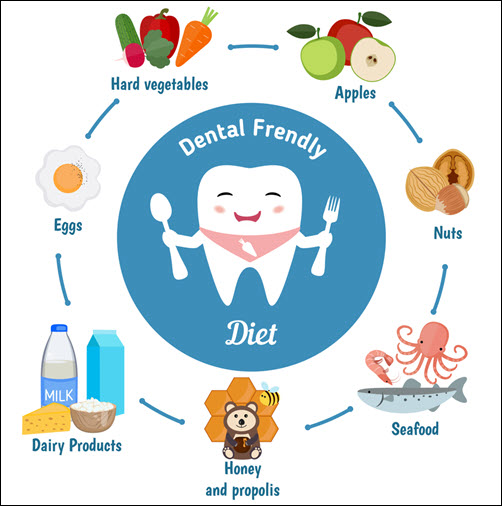
You brush every day. You floss. You even use mouthwash. But somehow, cavities still show up at your next dental visit. Sound familiar? The truth is, good dental hygiene goes far beyond your toothbrush. What you eat every single day plays a giant role in whether your teeth stay strong or slowly break down.
Most people do not realize that food can either fight plaque and bacteria or feed it. The foods that are good for your teeth and gums help build stronger enamel, reduce swelling in the gums, and keep harmful bacteria under control. At the same time, the bad food for teeth creates acid in your mouth that slowly eats away at the outer layer of your teeth without you even feeling it.
In this guide, we will break down the complete dental diet food list, show you exactly which foods to eat and which ones to avoid, and give you simple dental hygiene food tips that actually work. Whether you want to fix a cavity problem naturally or just keep your smile looking great, this book is the guide you need.
Why Food Matters More Than You Think for Dental Hygiene
Your mouth is full of bacteria. Some of it is good and helpful. But when you eat sugary or starchy foods, the harmful bacteria multiply fast. They feed on that sugar and release acid as a byproduct. That acid attacks your tooth enamel, the tough outer shell that protects each tooth. Over time, this is exactly how a cavity forms.
Good dental hygiene food tips start with understanding this process. When you eat the right foods, you give your body the minerals it needs to repair enamel, strengthen teeth and bones, and keep gums from bleeding or getting puffy. Your diet is your first defense.
Saliva also plays a big role here. It washes away food particles and neutralizes acid in your mouth. Certain foods help your body make more saliva, which is a natural way to clean your teeth between brushes.
Read about the best foods that increase saliva.
The Dental Diet Food List: Best Food for Teeth and Gums
Dairy Products: Milk, Cheese, and Yogurt
Dairy is one of the top foods for strong teeth and bones. Milk and cheese are loaded with calcium and phosphorus, two minerals that rebuild and harden enamel. Cheese is especially helpful because it also raises the pH level in your mouth, which means less acid damage after a meal. Plain yogurt contains good bacteria called probiotics that fight the harmful bacteria responsible for plaque and gum disease.
Leafy Greens
Spinach, kale, and broccoli are packed with calcium, folic acid, and vitamins that directly support gum health. Folic acid has been shown to reduce gum swelling and bleeding. These are foods that are beneficial for your teeth and gums because they also require a lot of chewing, which stimulates saliva flow naturally.
Crunchy Fruits and Vegetables
Apples, carrots, celery, and cucumbers act like gentle scrubbers on your teeth. Their firm texture helps remove sticky food and plaque from the surface of teeth. They also increase saliva production, which helps neutralize acid. An apple a day truly does help keep the dentist away, not because of any magic, but because of the chewing action and fiber content.
Nuts and Seeds
Almonds, walnuts, and cashews are excellent foods for strong teeth and bones. They are rich in calcium, magnesium, and phosphorus without containing much sugar at all. They also stimulate saliva when you chew them. A small handful of almonds as a snack is far better for your teeth than crackers or chips.
Eggs and Lean Proteins
Eggs contain phosphorus, vitamin D, and protein, all of which help your body absorb calcium properly. Lean meats like chicken and fish are also excellent because phosphorus from animal protein directly helps repair and protect tooth enamel.
Green and Black Tea
Tea contains natural plant compounds called polyphenols that slow the growth of bacteria in your mouth. Green tea in particular has been studied for its ability to reduce plaque buildup and lower the risk of gum disease. Just make sure to drink it without sugar.
Which Fruit Is Good for Teeth and Gums
This is a common question because fruits are healthy overall, but some contain natural sugars. Here is a clear breakdown:
Apples are one of the best fruits for teeth. Their crunchy texture scrubs your teeth, and the natural fibrous skin helps clean gum lines.
Strawberries contain malic acid, which can naturally brighten enamel, along with vitamin C that keeps gums strong and healthy. Vitamin C also helps your body produce collagen, which is a key building block for healthy gum tissue.
Kiwi has one of the highest vitamin C contents of any fruit. Low vitamin C is directly linked to gum disease and bleeding gums, so eating kiwi regularly is a smart move.
Pears are lower in acid than many other fruits and help stimulate saliva. They are a gentle choice for people with sensitive teeth.
Bananas in small amounts are fine. They contain potassium and magnesium, but they are also sticky, so rinse your mouth with water after eating one.
Fruits to eat carefully: Oranges, lemons, grapefruits, and other citrus are high in vitamin C but also very acidic. They can erode enamel if eaten in large amounts or held in the mouth for a long time. Eat them as part of a meal rather than on their own.
Bad Food for Teeth: What to Limit or Avoid
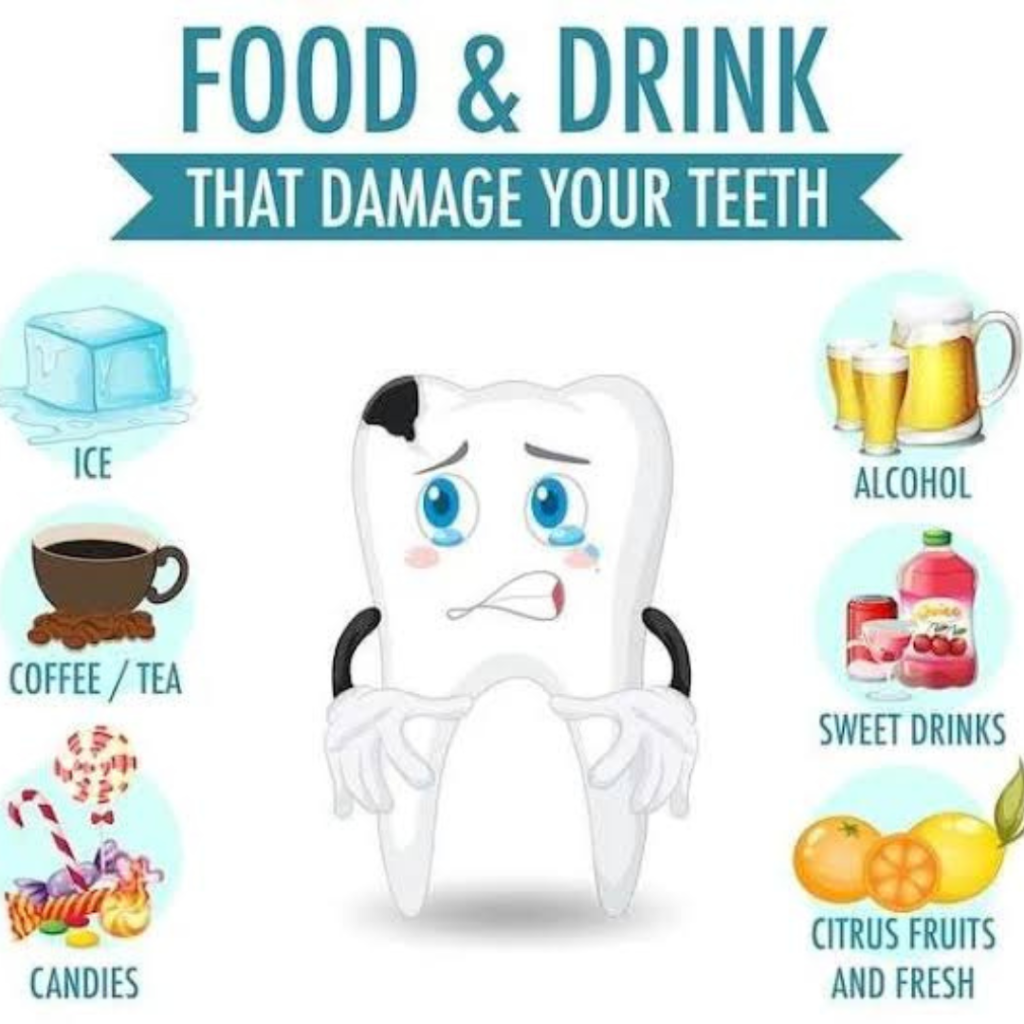
Understanding which foods are good and bad for teeth is as important as knowing what to eat. Here are the main foods that damage your teeth:
Sugary Foods and Drinks
Sugar is the number one hazardous food for teeth. Candy, sweets, cakes, pastries, and sugary drinks all feed the bacteria that produce enamel-destroying acid. Gummy sweets are especially harmful because they stick to teeth and stay there long after you have finished eating.
Soft drinks are also a double problem. They contain both sugar and acid, meaning they attack enamel from two directions at the same time. Even sugar-free sodas are acidic enough to cause enamel erosion with regular use.
Starchy and Refined Carbohydrates
White bread, chips, crackers, and pasta break down into simple sugars in your mouth rapidly. They get lodged between teeth and create a feeding ground for harmful bacteria. These foods are not as obviously sweet as candy, but they cause similar damage to tooth enamel over time.
Dark Beverages and Alcohol
Coffee, tea with sugar, red wine, and sports drinks stain teeth and increase the risk of cavities and gum disease. Alcohol reduces saliva production, leaving your mouth dry and more vulnerable to bacterial growth.
Sticky and Dried Foods
Dried fruit like raisins and apricots might seem healthy, but they are extremely high in concentrated sugar and stick to every surface of your teeth. Honey and toffee behave the same way. If you eat them, rinse with water right after.
Ice
Chewing on ice seems harmless because it is just frozen water, but the tough texture can crack or chip teeth and damage existing fillings.
Foods Good for Teeth Enamel Specifically
Enamel cannot grow back once it is gone, so protecting it with the right foods is crucial. The best foods good for teeth enamel are
Cheese, because it triggers saliva and remineralization. Milk, because it delivers calcium and vitamin D together. Fluoridated water, because fluoride ions directly strengthen enamel at a microscopic level. Compared to refined carbs, whole grains are kinder to enamel. Green tea, because it blocks the enzymes that break down enamel.
If you already notice sensitivity when eating cold or sweet things, it could mean your enamel is thinning. Switching to the dental diet food list above is one of the best natural steps you can take.
Simple Dental Hygiene Food Tips to Apply Every Day
These practical dental hygiene food tips are easy to follow, no matter how busy your life is:
Eat cheese or drink milk after a meal to help raise the pH in your mouth and protect enamel. Choose water as your main drink throughout the day, as it washes bacteria away without adding sugar or acid. Finish a meal with a crunchy vegetable like a carrot or celery to naturally clean teeth. Avoid snacking constantly between meals, because every time you eat, bacteria produce acid for about 20 minutes. The fewer eating sessions, the less acid exposure. Rinse your mouth with plain water after eating any sugary, starchy, or acidic food. Wait at least 30 minutes before brushing after eating acidic foods, as brushing immediately can spread the acid across more of your enamel surface.
The Connection Between Gum Health and What You Eat
Gum disease is one of the most common dental problems in adults, and food plays a huge role in either causing it or preventing it. Vitamin C, found in strawberries, kiwi, and bell peppers, is directly tied to gum strength. A lack of vitamin C can cause gums to bleed, swell, and pull away from teeth.
Omega-3 fatty acids found in fish like salmon and sardines help reduce inflammation throughout the body, including in the gums. People who eat more omega-3s tend to have lower rates of gum disease.
Probiotic-rich foods like plain yogurt and fermented vegetables help balance the bacteria in your mouth. A healthy oral microbiome means less harmful bacteria, less plaque, and healthier gums overall.
For more knowledge, visit the Toothoria.
Conclusion
Your plate is just as powerful as your toothbrush when it comes to keeping your smile healthy. By following smart dental hygiene food tips and building your meals around the dental diet food list, you can naturally fight cavities, reduce plaque, and strengthen your gums from the inside out. Foods that are good for your teeth and gums, like dairy, leafy greens, crunchy vegetables, and the right fruits, give your body the exact nutrients it needs to repair and protect your enamel every day.
At the same time, cutting back on unhealthy food for teeth, such as sugary drinks, refined carbs, and sticky sweets, removes the fuel that harmful bacteria need to cause damage. Whether you are working on finding the best food for teeth cavity prevention or simply want stronger enamel, the answer starts with what you put on your fork. Eat smart and rinse often, and your dentist will notice the difference at your next checkup.
Frequently Asked Questions
Q1: What is the best food for a tooth cavity?
Cheese, milk, and crunchy vegetables like carrots and apples help prevent cavities by strengthening enamel and increasing saliva.
Q2: Which fruit is beneficial for teeth and gums?
The best fruits to eat are apples, strawberries, and kiwi because they are high in vitamin C and help clean teeth naturally.
Q3: What is the worst food for teeth?
Sugary drinks, gummy candy, and white bread are among the most damaging because they feed acid-producing bacteria directly.
Q4: Are dairy products really beneficial for teeth and bones?
Yes. Milk, cheese, and yogurt contain calcium and phosphorus that rebuild enamel and support strong jawbones.
Q5: How does drinking water help dental hygiene?
Water washes away food particles and bacteria, raises pH in the mouth, and if fluoridated, helps harden tooth enamel naturally.