Imagine getting a dental consultation from your couch without driving to a clinic, sitting in a waiting room, or paying for a full in-person visit. That is exactly what teledentistry makes possible. For millions of Americans in rural areas, busy households, or underserved communities, this is not just convenient. It is life-changing access to care they would otherwise skip.
Teledentistry is growing fast across the United States in 2026. Dental practices are adopting it, insurance companies are starting to cover it, and dental schools are teaching it. Whether you are a patient curious about your options or a dental professional exploring new career paths, understanding teledentistry is no longer optional.
This guide covers what teledentistry is, how it works, its history, applications, platforms, job opportunities, and the research backing it all up.
What Is Teledentistry?
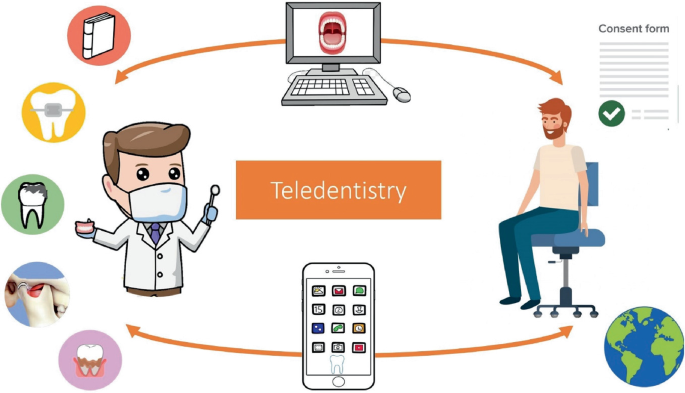
Teledentistry is the use of digital communication technology to deliver dental care, education, and consultation remotely. Instead of physically sitting in a dental chair, patients connect with dental professionals through video calls, photos, mobile apps, or online platforms.
It does not replace all in-person dental visits. Instead, it fills critical gaps. A dentist can review photos of a painful tooth and determine whether it needs emergency care or can wait. An orthodontist can check aligner progress through a quick video call. A dental hygienist can coach a patient on brushing technique without either party leaving their home.
In simple terms, teledentistry brings the dental professional to wherever the patient is.
Learn about Dental Technologies and Intraoral Scanners as modern dentistry
What Is Teledentistry, and How Does It Work?
Teledentistry works through four main models that dental professionals use depending on the situation.
Synchronous teledentistry is a live, real-time video consultation between a patient and a dental provider. Both parties are online at the same time, just like a regular video call. This works well for initial consultations, follow-ups, and treatment discussions.
Asynchronous teledentistry is also called store-and-forward. The patient takes photos or videos of their teeth and sends them through an app or platform. The dentist reviews them later and responds with a diagnosis or recommendation. This is ideal for busy practices and patients in different time zones.
Remote patient monitoring uses connected devices and apps to track a patient’s dental health over time. Orthodontic patients using Invisalign or clear aligners often use this model to check in with their provider digitally between appointments.
Mobile Health (mHealth) uses smartphone apps and wearable technology to support dental hygiene, track oral health habits, and remind patients of appointments or medication.
Together these models make teledentistry a flexible and powerful addition to modern dental care.
When Was Teledentistry Invented?
The history of teledentistry goes back further than most people think. It was first formally introduced by the United States Army in 1994 through a project called the Total Dental Access project. The goal was to connect soldiers in remote locations with dental specialists using early video technology.
From there, teledentistry slowly expanded into community health programs and rural outreach initiatives throughout the late 1990s and early 2000s.
The real turning point came during the COVID-19 pandemic in 2020. With dental offices shut down across the country, teledentistry went from a niche concept to a mainstream necessity almost overnight. Millions of patients had their first teledentistry experience during that period, and many preferred it enough to keep using it afterward.
By 2026, teledentistry is a recognized and regulated part of dental practice in most US states.
Teledentistry Applications: Where It Is Used
Teledentistry applications span across nearly every area of oral health care. Here is where it is making the biggest impact.
General Dentistry Triage helps patients figure out whether a toothache, swollen gum, or broken tooth requires an emergency visit or can be managed at home temporarily. This saves time for both patients and practices.
Orthodontics and aligner monitoring are two of the fastest-growing teledentistry applications. Companies like Invisalign and SmileDirectClub built their entire models around remote monitoring of tooth movement using photos submitted through apps.
Pediatric Dentistry Screening uses teledentistry to screen children in schools or underserved communities for cavities and gum disease without needing a physical clinic on site.
Geriatric and Special Needs Care brings dental consultations to nursing homes, assisted living facilities, and homebound patients who cannot easily travel to a dental office.
Public Health and Community Outreach programs use teledentistry to extend care into low-income neighborhoods and rural communities where dental offices are scarce.
Dental Education and Training uses teledentistry platforms to teach dental students remotely, conduct peer consultations, and connect specialists across different locations.
Teledentistry Platforms: What Is Available in 2026
Several teledentistry platforms are actively used by US dental practices and patients in 2026.
Teledentix is one of the most widely used platforms by dental service organizations. It supports video consultations, patient messaging, and digital intake forms.
MouthWatch TeleDent is a popular platform among community health centers and mobile dental units. It supports asynchronous photo and video sharing with built-in EHR integration.
Denteractive connects patients with licensed dentists for on-demand video consultations 24 hours a day. It is popular for emergency triage situations.
Cavity Camp focuses specifically on pediatric dental screenings in schools using a teledentistry model that works without a dentist being physically present.
SmileSnap is a patient-facing tool that allows people to submit photos and questions to their dental provider through a simple online interface. Many general practices use it to boost patient engagement and reduce no-shows.
When choosing among teledentistry platforms, dental practices should look for HIPAA compliance, EHR integration, ease of use for patients, and support for both synchronous and asynchronous workflows.
Teledentistry Jobs: Career Opportunities in 2026
Teledentistry jobs are a growing category in the US dental workforce. As more practices and companies build out digital care models, the demand for dental professionals comfortable with remote technology is rising steadily.
Teledentist is a role where a licensed dentist reviews patient submissions, conducts video consultations, and provides diagnoses or treatment recommendations remotely. Many teledentists work part-time from home alongside their regular practice schedule.
Remote dental hygienist roles involve coaching patients on oral hygiene, reviewing health histories, and conducting virtual screenings, especially in public health settings.
The Dental Virtual Care Coordinator manages patient communications, schedules video appointments, follows up on treatment plans, and ensures the digital workflow runs smoothly.
A teledentistry platform specialist is a tech-facing role where the professional supports dental offices in setting up and using teledentistry software and hardware.
Oral Health Educators use teledentistry tools to deliver dental health education to schools, community groups, and underserved populations.
For dental professionals looking to expand their income or transition to more flexible work arrangements, teledentistry jobs offer a realistic and growing path in 2026.
Teledentistry Research and Journal Literature
Teledentistry research has grown significantly over the past decade. Peer-reviewed teledentistry articles now appear regularly in major dental journals, including the Journal of Telemedicine and Telecare, the Journal of the American Dental Association, and the International Journal of Dental Hygiene.
Key findings from current teledentistry research include the following. Patient satisfaction with teledentistry consultations is consistently high, often matching or exceeding in-person visit satisfaction scores. Diagnostic accuracy for common conditions like cavities, gum disease, and dental trauma is clinically acceptable when high-quality photos are submitted. Teledentistry significantly reduces no-show rates and increases access to care among underserved populations.
A growing body of teledentistry journal research also explores the legal and ethical dimensions of remote care, including licensure across state lines, informed consent in digital environments, and data privacy under HIPAA.
Frequently Asked Questions
Q: What is teledentistry in simple terms?
Teledentistry is dental care delivered remotely using video calls, photos, or apps instead of an in-person visit. It is used for consultations, screenings, and follow-ups.
Q: Is teledentistry covered by insurance in the US?
Coverage varies by state and insurer. Since 2020, many states have expanded teledentistry coverage, and several major dental insurance plans now reimburse for synchronous video consultations. Always verify with your specific plan.
Q: Can teledentistry replace my regular dentist?
No. Teledentistry complements in-person care but cannot replace physical exams, X-rays, cleanings, or procedures. It is best used for triage, follow-ups, and consultations.
Q: What equipment do I need as a patient for teledentistry?
Most teledentistry visits only require a smartphone with a camera and a stable internet connection. Some platforms have dedicated apps while others work through a web browser.
Q: What are the best teledentistry platforms for dental offices?
MouthWatch TeleDent, Teledentix, and SmileSnap are among the most widely used platforms in US dental practices in 2026. The best choice depends on your practice size and workflow needs.
Conclusion
Teledentistry is not a temporary trend. It is a permanent shift in how dental care is delivered across the United States. From its origins in a 1994 Army program to its explosive growth during the pandemic and its mainstream adoption in 2026, teledentistry has proven its value for patients, providers, and public health systems alike.
Whether you are exploring teledentistry jobs, researching teledentistry platforms for your practice, diving into teledentistry articles and journal research, or simply trying to understand what is teledentistry and how does it work, one thing is clear: this technology is expanding access, improving outcomes, and creating new opportunities across the entire dental profession. The practices and professionals who embrace it now will be the ones leading dentistry in the years ahead.