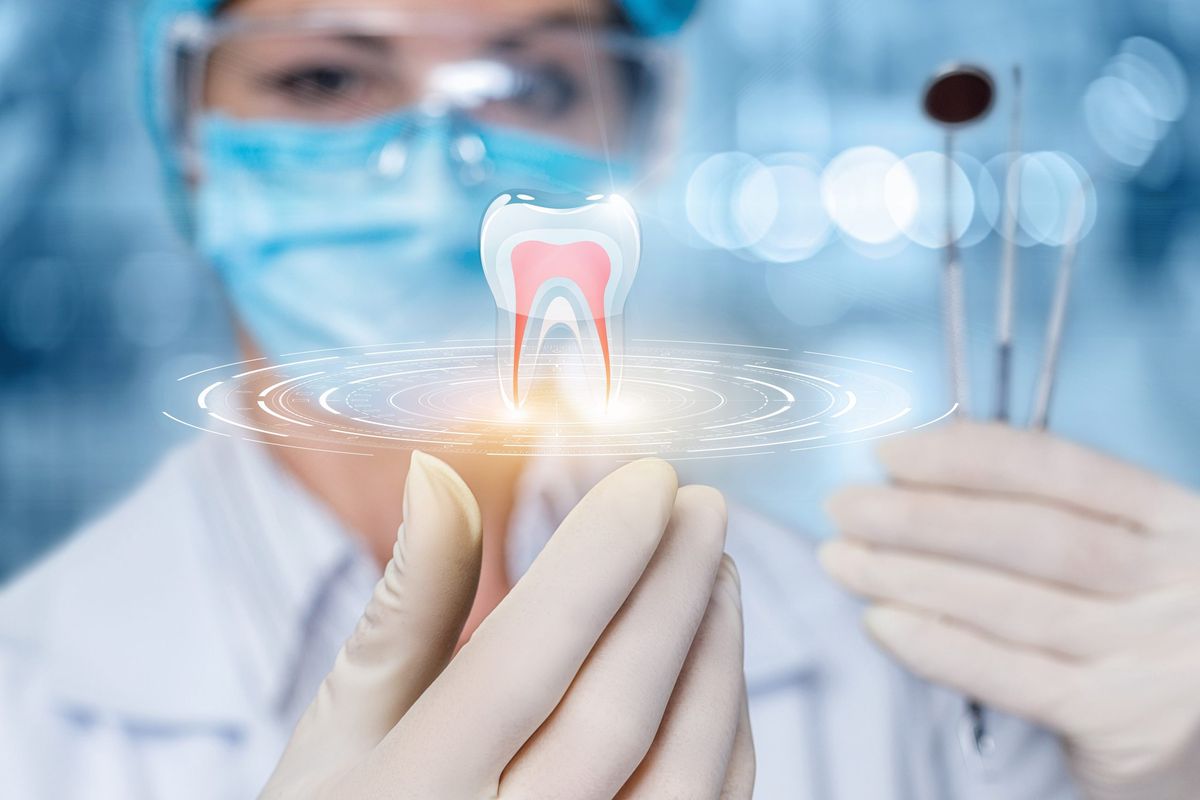
Dentistry in 2026 looks nothing like it did ten years ago. Better dental technologies means your dentist can spot a problem before it hurts, finish your crown in one visit, and skip the messy impression mold completely.
For patients, that means less pain, fewer trips to the clinic, and results that actually last. For dental technicians and everyone working in dental technology jobs, it means the tools you use every day are smarter and faster than ever before.
This guide walks you through the 7 latest dental technologies 2026 is bringing to clinics worldwide and what it all means for the future of dentistry and dental technology.
Learn More On Toothoria
Why Dental Technologies Are Advancing So Fast in 2026
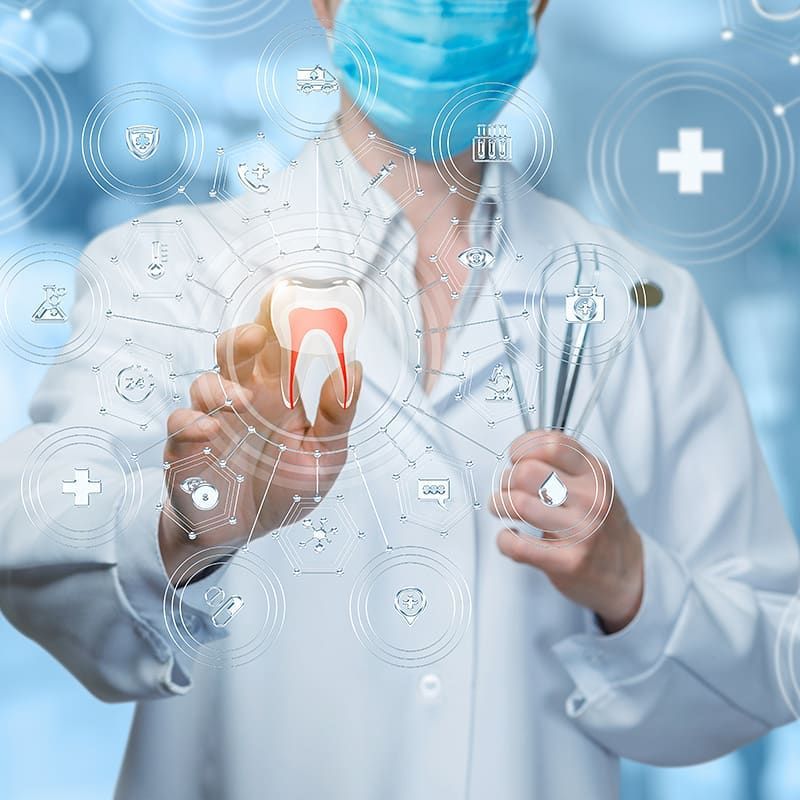
The pressure on modern dental technology comes from three directions at once:
- Patients expect faster, more comfortable, and more accurate treatment
- Dental companies are investing heavily in digital tools, dental supplies, and AI software
- Dental technology schools are producing dental lab technician program graduates trained in fully digital workflows
The result is a profession mid-transformation. Clinics that have adopted modern dental technologies are outperforming those that have not, in speed, accuracy, and patient satisfaction.
1. Artificial Intelligence in Dentistry 2026
Artificial intelligence in dentistry 2026 is the single biggest shift in how diagnosis works. AI platforms scan X-rays and flag cavities, bone loss, and early-stage disease in seconds, often catching what the human eye misses on a first pass.
What AI does in a modern dental technology workflow:
- Detects decay and periodontal disease from radiographs automatically
- Assists with treatment planning using patient history and risk data
- Reduces diagnostic errors in busy clinic settings
- Powers predictive dentistry by identifying high-risk patients before problems develop
How AI Is Redefining the Dental Technician Role
What dental technicians do has shifted alongside AI adoption. A dental lab technician today works alongside AI-assisted design software that auto-generates restoration proposals. The dental technician reviews, adjusts, and approves rather than building from scratch. Dental technology jobs in AI-integrated labs are growing, and dental technology schools are updating every dental technology course to reflect this reality.
2. Intraoral Scanners and Digital Impressions
Intraoral scanners and digital impressions have replaced messy putty molds in most forward-thinking practices. In 2026, a full-arch scan takes under two minutes and feeds a precise 3D model directly into CAD/CAM design software at the dental tech lab.
Key benefits of intraoral scanning:
- Eliminates patient discomfort from traditional impression materials
- Produces sub-micron accuracy for crowns, bridges, and aligners
- Reduces errors and remakes in the dental tech lab
- Speeds up communication between clinic and dental lab technician
Traditional dental supplies like impression trays and alginate are declining in tech-forward practices. Supply dental companies are replacing them with digital dental supplies including scan tips, calibration tools, and software subscriptions.
Digital Impressions in Orthodontics and Restorative Work
In orthodontics, the intraoral scan feeds directly into aligner fabrication. In restorative dentistry, it drives same-day crown milling. Any dental technician program or dental tech course worth taking in 2026 includes hands-on intraoral scanner training as a core module.
3. 3D Printing in Dentistry 2026
3D printing in dentistry 2026 is one of the most disruptive forces in modern dental technology. What once required days of lab work now prints overnight or on demand.
What dental technologies are producing with 3D printing today:
- Surgical implant guides for guided implant surgery
- Provisional and permanent crowns using biocompatible resins
- Custom orthodontic models and retainers
- Night guards, sleep apnea appliances, and gingival masks
- Full-arch restorations for complex reconstruction cases
Dental companies investing in 3D printing infrastructure are cutting lab costs and reducing turnaround time from weeks to days. A dental lab technician who can operate, calibrate, and troubleshoot a resin printer is among the most employable professionals in dentistry and dental technology right now.
4. Same-Day Dentistry and Chairside Milling
Same-day dentistry and chairside milling collapse the traditional three-appointment crown process into a single visit. Systems like CEREC scan, design, and mill a permanent ceramic crown while the patient waits.
Why patients and practices both benefit:
- No temporary crown required
- Fewer injections and less chair time overall
- Permanent restoration delivered in one appointment
- Reduced lab costs and scheduling complexity
From a dental technology jobs standpoint, same-day dentistry has created demand for in-house dental technicians who manage milling units, maintain dental tools, and ensure material quality inside the clinic rather than a separate dental tech lab.
5. Guided Implant Surgery
Guided implant surgery is what happens when dental technology removes uncertainty from one of dentistry’s most complex procedures. Using CBCT scans and surgical planning software, the implant placement is designed virtually before the patient sits in the chair.
What guided implant surgery delivers:
- Precise drill angulation and depth controlled by a 3D-printed surgical guide
- Reduced risk of nerve damage and sinus perforation
- Predictable outcomes in immediate-load implant cases
- Faster recovery and less post-operative discomfort
What does a dental technologist do in guided implant surgery? The dental lab technician designs the surgical guide, verifies the scan data, and often fabricates the interim restoration placed on the same day as surgery. It is one of the clearest examples of what dental technicians do when dental technology and clinical care merge into a single coordinated workflow.
6. Teledentistry and Remote Consultations
Teledentistry and remote consultations are now a standard feature of modern dental technologies practice, not an emergency workaround. In 2026, patients submit smartphone photos, complete intake forms remotely, and receive clinical assessments without an in-person visit for appropriate case types.
Common uses of teledentistry in dental technology workflows:
- Initial triage and consultation for new patients
- Orthodontic progress monitoring between appointments
- Post-operative check-ins after implant or surgical procedures
- Oral hygiene coaching and preventive education
For dental technology jobs in patient coordination and virtual care management, teledentistry has expanded the career map. Dental technology schools are beginning to include it in dental technician program curricula because remote care is now a patient expectation, not a feature.
7. Cloud-Based Dental Software and Predictive Dentistry
Cloud-based dental software ties all other dental technology together. Practice management platforms give clinical teams access to patient records, imaging, lab orders, and billing from any device in any location.
What cloud-based dental technologies enables:
- Real-time communication between clinic and dental tech lab
- Secure storage and instant access to full patient history
- AI-powered analytics that flag high-risk patients before decay develops
- Integrated workflows connecting dental companies, labs, and insurers
The Predictive Dentistry Era
Predictive dentistry is the next frontier of dental technologies. Cloud platforms paired with AI now surface which patients are statistically likely to develop decay or periodontal disease in the next 12 months. Clinics can intervene earlier, reduce treatment costs, and shift from a repair model to a prevention model.
This is what dental technology trends 2026 are pointing toward across every segment of the profession.
What This Means for Dental Technology Jobs and Schools
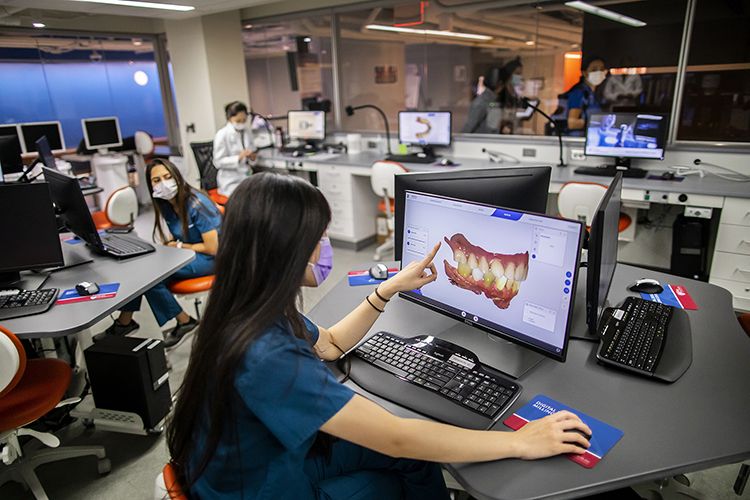
The expansion of modern dental technology has created real career momentum across the profession:
- Dental technology jobs in AI-integrated labs and digital clinics are growing year over year
- Dental technologist job listings increasingly require CAD/CAM, 3D printing, and digital impression skills
- Dental technology schools updating their dental lab technician program and dental tech programs are producing graduates who are immediately employable
- A dental technology course that does not cover current digital tools is already outdated
If you are studying dental technologies or evaluating dental technology schools, prioritize programs where the dental technician program includes hands-on training with tools that are actually used in dental tech labs today.
Frequently Asked Questions
What are dental technologies in 2026?
Dental technologies in 2026 refers to the digital tools, AI systems, 3D printing platforms, and cloud software that modern dental practices and dental tech labs use to diagnose, plan, and deliver treatment.
What is a dental technician responsible for today?
A dental lab technician designs and fabricates restorations including crowns, bridges, aligners, and surgical guides using CAD/CAM software and 3D printing, often in collaboration with the clinical team.
What does a dental technologist do differently from a dentist?
A dental technologist works in a dental tech lab fabricating restorations and devices rather than treating patients directly. They translate clinical prescriptions into physical or digital restorations.
Are dental technologies jobs growing?
Yes. Demand for skilled dental technicians is rising, particularly in practices adopting AI diagnostics, same-day dentistry, and guided implant surgery workflows.
Conclusion
Dental technologies in 2026 is not a luxury anymore. It is simply how good dentistry gets done. AI catches problems early, 3D printing builds restorations overnight, and digital impressions make the whole experience easier for patients from the first appointment.
The clinics, dental companies, and dental lab technicians who embrace these tools are already seeing the difference. Patients get better care, faster. For anyone looking into dental technology jobs, dental technician programs, or the right dental technology course to start with, the opportunity is very real right now. The tools exist, the jobs are there, and dentistry and dental technology have never been a more exciting field to be part of than in 2026.