
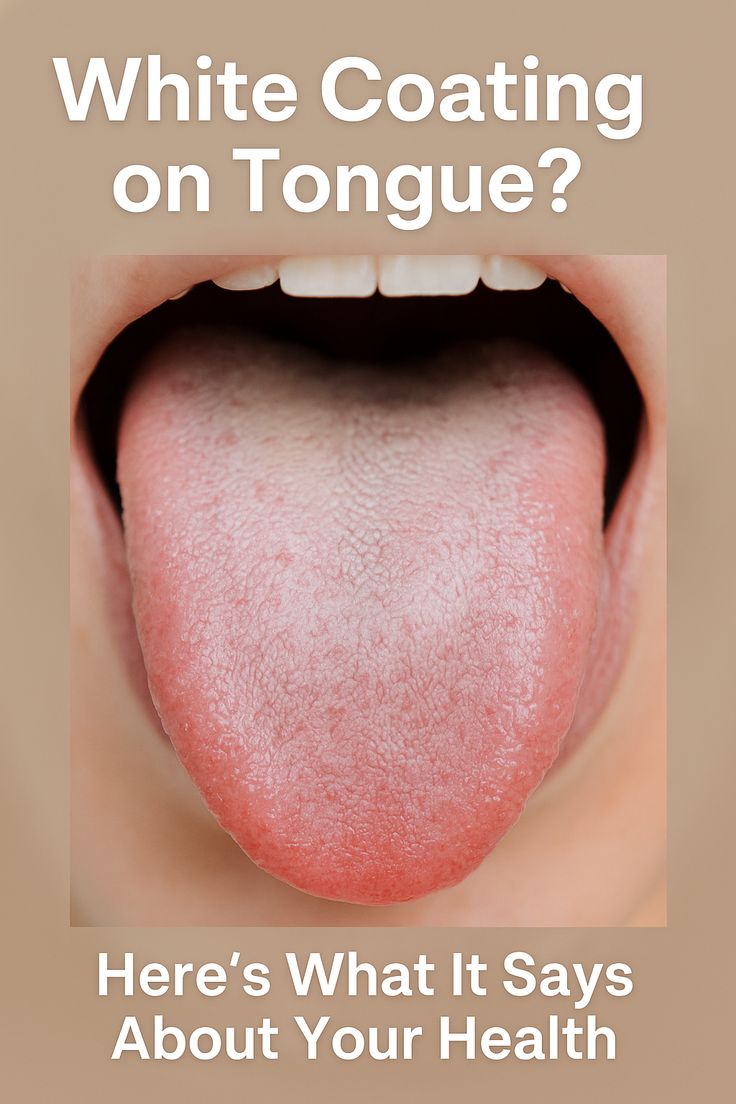
You glance in the mirror, stick out your tongue, and something looks wrong. A white patch. A pale spot. A milky film that was not there yesterday.
Before your brain spirals into worst-case territory, here is what you actually need to know. A white blemish on tongue is one of the most common oral complaints dentists hear daily. Most causes are harmless. A few need treatment. And one or two should never be ignored.
This guide tells you exactly which category you are dealing with.
What Does It Look Like?
A white blemish on tongue is not one-size-fits-all. The appearance carries real diagnostic clues.
It can appear as:
- A single raised white spot
- A flat milky patch on the surface
- Lacy white streaks along the sides
- A thick creamy coating across the tongue
- A rough hardened area that feels different to touch
The fastest home test: gently wipe the area with a damp finger.
- Wipes away easily = likely fungal, points toward oral thrush
- Stays firmly attached = needs professional evaluation immediately
7 Causes of White Blemish on Tongue
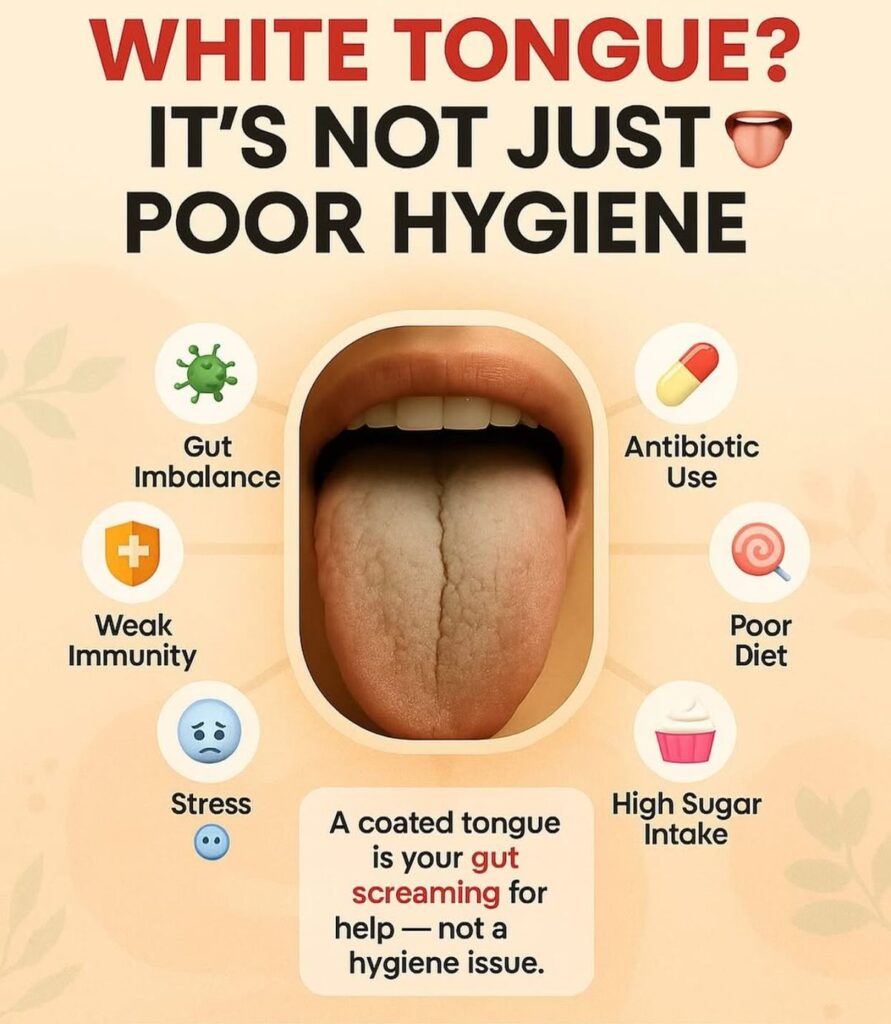
1. Oral Thrush
The most common cause of white spots on tongue worldwide. Oral thrush is a Candida fungal infection producing creamy cottage-cheese-like patches that wipe away leaving red tissue underneath.
Most at risk:
- People finishing antibiotic courses
- Diabetics with uncontrolled blood sugar
- Infants and elderly individuals
- Corticosteroid inhaler users
Comes with burning sensation, cottony mouth feeling, and loss of taste. Will not resolve without antifungal medication like nystatin or fluconazole.
2. Canker Sores on Tongue
The most frequent cause of a painful sore white spot on tongue. Small shallow ulcers with a white or yellow center and red border. Not contagious, not viral, and gone within 7 to 14 days without treatment.
Common triggers:
- Stress and hormonal changes
- Acidic or spicy foods
- Minor tongue injuries
- Iron or B12 deficiency
Recurring clusters deserve a dental conversation as they can signal something systemic running underneath.
3. Leukoplakia
The cause of white patches on tongue that demands urgent attention.
Thick raised white patches that cannot be wiped away, feel rough or hardened, and are directly linked to tobacco use and heavy alcohol consumption. Considered potentially precancerous.
Red flags specific to leukoplakia:
- Patch is firmly stuck and cannot be removed
- Feels thicker than surrounding tissue
- Present for more than two weeks
- You smoke or drink heavily
A dentist will biopsy the area to check for abnormal cells. Treatment ranges from quitting tobacco to laser or surgical removal. Do not wait on this one.
4. Geographic Tongue
Creates irregular map-like patches of red and white that migrate and change shape over days. Completely harmless, not contagious, and carries no cancer risk. No treatment needed, just occasional dietary adjustments for sensitivity to acidic foods.
5. Oral Lichen Planus
An autoimmune condition creating a lacy net-like pattern of white streaks on the tongue and inner cheeks. Causes burning pain and in erosive cases open sores that bleed easily.
No cure exists but topical corticosteroids manage symptoms well. Regular dental monitoring is essential because lichen planus mouth involvement carries a small elevated risk of oral cancer over time.
6. Hairy Leukoplakia
White patches with a corrugated fuzzy texture along the tongue sides, almost exclusively seen in immunocompromised individuals. Caused by the Epstein-Barr virus. If this appears in someone not known to be immunocompromised, both dental and physician evaluation are needed promptly.
7. Dehydration and Poor Oral Hygiene
The most overlooked and most fixable cause. When saliva drops from dehydration or poor hygiene, bacteria accumulate forming a white coating on the tongue surface.
Signs this is your cause:
- Worse in the morning, improves after water
- No pain or unusual texture
- Dry mouth alongside it
More water, daily tongue brushing, and alcohol-free mouthwash typically resolves this within days.
Leukoplakia vs Oral Thrush: Quick Comparison
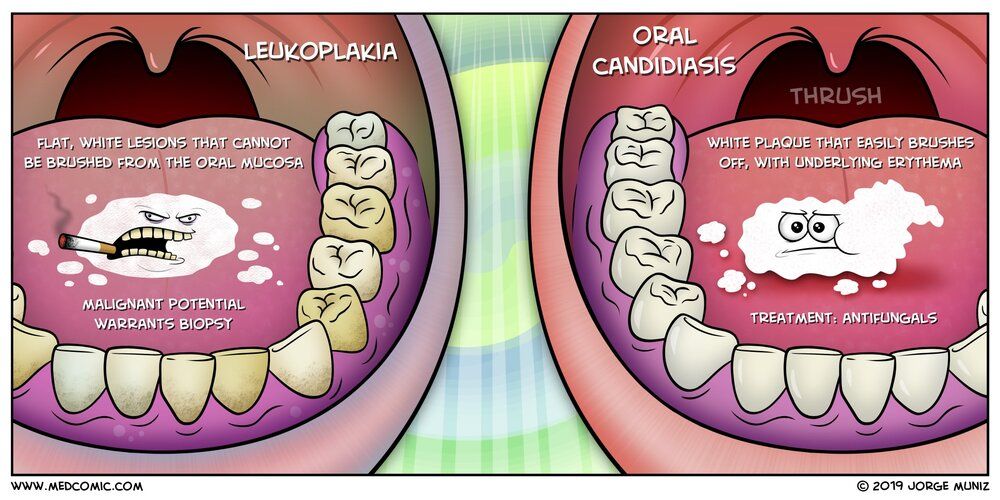
| Feature | Oral Thrush | Leukoplakia |
| Wipes away | Yes | No |
| Texture | Soft, creamy | Rough, thick |
| Pain | Burning | Usually none |
| Urgency | Treat soon | See dentist now |
When uncertain, the wipe test gives you a fast first answer. A biopsy gives you certainty.
Are White Spots on Tongue Serious?
Most of the time, no. But that word “most” is doing a lot of work.
White spots on tongue from canker sores or dehydration are manageable and temporary. White patches on tongue from leukoplakia or unexplained patches that refuse to heal are a different matter entirely. Oral cancer can present as a white blemish on tongue that grows slowly, feels different, and simply does not go away.
The Two-Week Rule
Any white blemish on tongue that has not clearly improved after 14 days stops being something to monitor and becomes something to act on. This applies whether it is painful or completely painless. Pain is not a reliable indicator of seriousness here.
Symptoms That Mean You Cannot Wait
Book a dental appointment within days if you notice any of these alongside your white blemish on tongue:
- Patch present for more than two weeks without healing
- Bleeds when touched or rubbed
- Feels hard or thickened under your finger
- Growing slowly in size
- Lump or swelling in the mouth or jaw
- Difficulty swallowing
- Numbness in tongue or lips
- You are a current or former tobacco user
Treatment by Cause
| Cause | Treatment |
| Oral Thrush | Antifungal medication |
| Canker Sores | Salt rinses, topical relief, time |
| Leukoplakia | Biopsy, laser or surgical removal |
| Lichen Planus | Corticosteroids, monitoring |
| Dehydration | Hydration, tongue brushing |
How to Prevent White Blemish on Tongue

Daily Habits That Protect Tongue Health
- Brush your tongue every time you brush your teeth
- Use a tongue scraper to remove bacterial film
- Drink enough water to keep saliva flowing
- Use alcohol-free antibacterial mouthwash daily
Lifestyle Changes That Matter Most
- Stop smoking completely, tobacco is directly linked to leukoplakia and oral cancer
- Reduce alcohol consumption
- Manage stress since it triggers canker sores and lichen planus flare-ups
- Attend professional dental cleanings twice yearly
When to See a Dentist for White Spots on Tongue
See a dentist if any of the following apply to you:
- White blemish on tongue has been present for 10 to 14 days or more
- Pain, swelling, or difficulty swallowing is present
- You have a history of tobacco use in any form
- The spot is changing in size or color
- Multiple patches or sores are appearing simultaneously
A single appointment is usually enough to identify the cause, rule out anything serious, and get you on the right treatment path.
FAQs
Q: Can a white blemish on tongue go away on its own?
Yes if caused by canker sores or dehydration. No if caused by thrush or leukoplakia as those need specific treatment.
Q: Is white blemish on tongue contagious?
Oral thrush can spread through close contact. Leukoplakia, geographic tongue, and lichen planus are not contagious.
Q: Can stress cause white spots on tongue?
Yes. Stress triggers canker sores and lichen planus flare-ups, both of which produce white patches on the tongue.
Q: Do white spots on tongue always mean oral cancer?
No. Most cases are benign. But any patch lasting beyond two weeks should be professionally evaluated without exception.
Q: How do I tell thrush from leukoplakia at home?
Wipe it gently. Thrush comes away leaving red tissue. Leukoplakia stays firmly attached. Your dentist confirms with a biopsy.
Conclusion
A white blemish on tongue is your mouth asking for attention. Canker sores and dehydration-related coating are common and easily managed. Leukoplakia and unexplained persistent patches are a different conversation that needs professional input.
Keep the two-week rule simple in your head. If a white blemish on tongue has not clearly improved in 14 days, that is your appointment deadline not a suggestion. Combine that awareness with daily tongue brushing, no tobacco, proper hydration, and consistent dental visits and white spots on tongue will rarely give you reason to worry. As covered in our pillar guide on white color on gums, what your oral tissues look like is a direct reflection of your overall health. Both deserve equal attention and consistent care.