
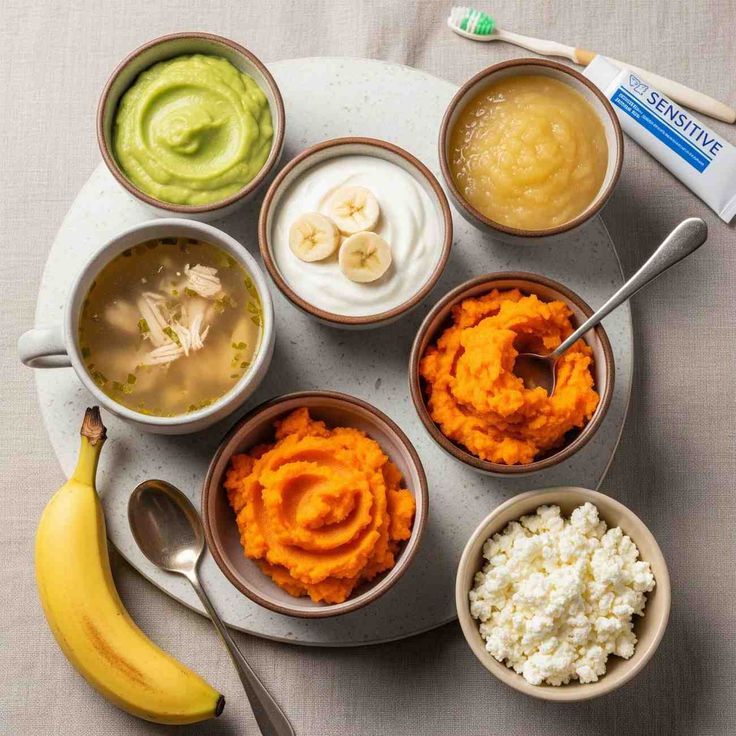
Most people walk out of a dental office focused on the pain. Very few think about food until their stomach starts growling an hour later. That is when the real question hits.
What exactly can I eat right now?
Knowing what to eat after tooth extraction is not just about comfort. It directly affects how fast your mouth heals. The wrong food can disturb the blood clot, trigger dry socket, or introduce bacteria into a fresh wound.
The right food does the opposite. It gives your body the protein, vitamins, and energy it needs to repair tissue quickly and get you feeling normal again.
Learn About Things to Avoid After Tooth Extraction
Why Your Food Choices Actually Matter Here
After a tooth is removed, a blood clot forms inside the empty socket. That clot is the foundation of your entire healing process. New tissue and bone grow underneath it while the gum gradually closes over the top.
Hard or crunchy foods can physically knock that clot loose. Acidic foods sting and inflame tender tissue. Sticky foods can grab and pull at the wound directly.
Soft, nutrient-rich foods do none of that. They support healing, keep you full, and cause zero disruption to the socket. That is exactly why your dentist puts so much emphasis on diet during recovery.
What to Eat After Tooth Extraction: Day by Day
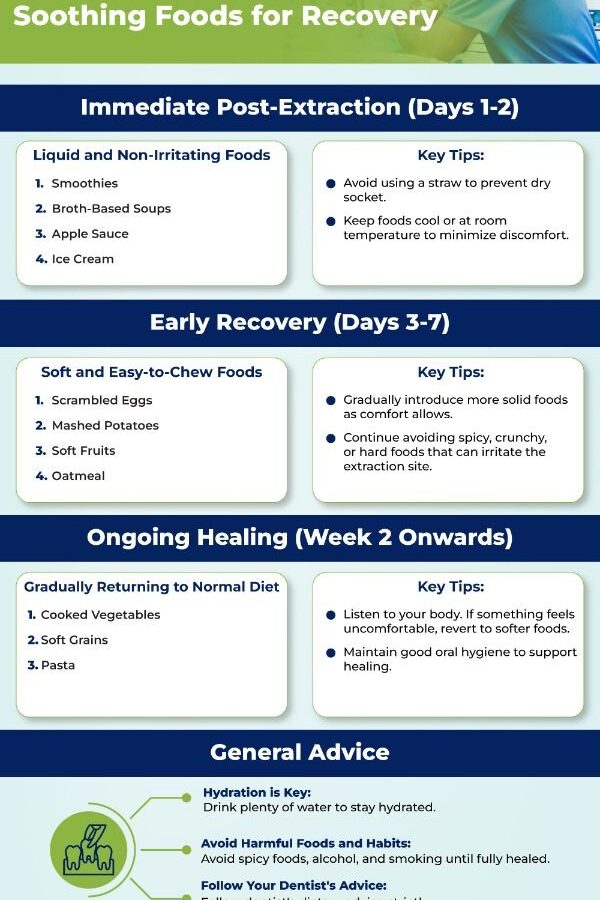
Day 1: Keep Things Very Simple
The first 24 hours are the most critical period. The blood clot is freshly forming and easily disturbed. Stick to foods that need zero chewing and produce no heat or acidity.
Good options on day one:
- Plain yogurt
- Applesauce
- Lukewarm broth
- Smooth pudding
- Mashed banana
Eat slowly and keep food on the opposite side of your mouth from the extraction. Do not use a straw under any circumstances. Do not eat anything hot.
Days 2 to 3: Expand Your Options Carefully
By day two the clot is more stable and you can introduce slightly more variety. This is where soft foods to eat after tooth extraction really come into their own.
Scrambled eggs are one of the best choices at this stage. They are soft, high in protein, and need almost no chewing. Smooth oatmeal with no seeds or nuts works well for breakfast. Mashed potatoes with soft gravy are satisfying without any risk to the socket.
Soft fish like tilapia or salmon, lightly cooked and flaked, is excellent for dinner. Lentil soup, pureed vegetable soup, and soft pasta with a light cream sauce are all solid options too.
Days 4 to 7: Slowly Return to Normal
By day four most patients notice a real improvement. Pain eases, swelling starts to come down, and the gum begins closing over the socket.
You can now add slightly more textured soft foods. Well-cooked rice, soft tofu, risotto, steamed vegetables like peas or squash, and ground meat in a soft sauce all work well at this stage.
Still avoid chewing directly over the extraction site. Keep eating on the opposite side through the end of the first week.
Best Soft Foods to Eat After Tooth Extraction

Here is a full reference table organized by meal type so you can plan exactly what to eat after tooth extraction without overthinking it.
| Meal | Best Options |
| Breakfast | Scrambled eggs, smooth oatmeal, Greek yogurt, ripe banana, soft cottage cheese |
| Lunch | Pureed soup, mashed potatoes, soft pasta, lentil soup, tuna salad (no crunchy bits) |
| Dinner | Soft fish, ground beef in sauce, mashed sweet potato, risotto, steamed soft vegetables |
| Snacks | Applesauce, pudding, avocado, hummus, soft cheese, ice cream |
| Drinks | Room temperature water, lukewarm herbal tea, diluted apple juice, coconut water |
All of these options share three things in common. They are easy to eat without hard chewing, they do not leave particles that get trapped in the socket, and they provide real nutrition your body needs right now.
Foods to Avoid After Tooth Extraction
Knowing what to eat after tooth extraction also means knowing what to stay far away from.
Hard and crunchy foods like chips, crackers, nuts, and raw vegetables can poke into the socket or dislodge the clot. Avoid these for at least a full week.
Chewy foods like steak, bagels, and gummy candy put strain on the jaw and the wound area. Repeated chewing motion is something the socket simply does not need right now.
Spicy foods inflame already sensitive tissue. Even mild spice causes a burning sensation in a fresh wound that makes recovery genuinely uncomfortable.
Sticky foods like caramel and taffy can physically grab the clot and pull it loose. These are more dangerous than most people realize.
Small seeds like sesame, poppy, and loose rice grains travel into the socket and create a perfect environment for bacteria to grow.
Acidic foods like citrus fruits, orange juice, and tomato-based sauces sting fresh tissue and slow gum healing around the socket.
Nutrients That Actually Speed Up Healing
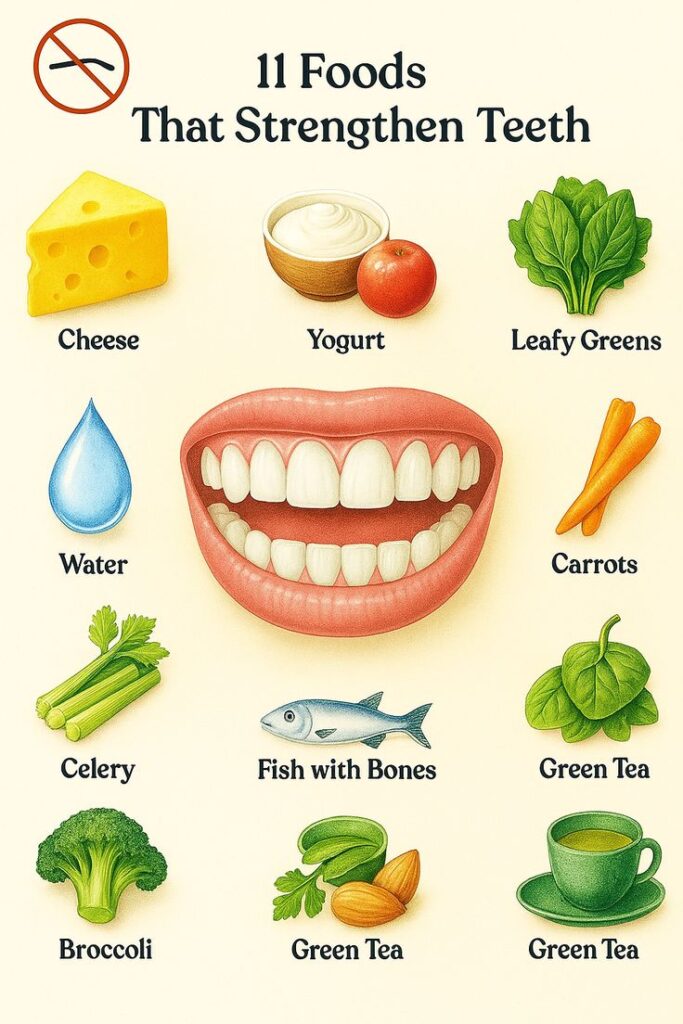
What to eat after tooth extraction is not just about playing it safe. It is about actively helping your body repair itself faster.
Protein is the most important nutrient during recovery. Your body uses it to rebuild damaged tissue and skin. Eggs, soft fish, yogurt, cottage cheese, and lentils are all excellent protein sources that fit perfectly on a soft food diet.
Vitamin C supports collagen production which is essential for tissue repair. Ripe mango, melon, kiwi, and banana all provide Vitamin C without any hard chewing.
Zinc supports immune function and wound healing. You can get it from soft-cooked legumes, yogurt, and soft meats.
Healthy fats from avocado reduce inflammation and support the body’s natural repair processes.
A Simple Meal Plan for the First Week
Putting all of this into actual daily meals makes recovery a lot easier to manage.
Day 1: Lukewarm broth for lunch, plain yogurt with mashed banana for dinner, applesauce as a snack.
Days 2 to 3: Scrambled eggs for breakfast, pureed lentil soup for lunch, mashed sweet potato with soft fish for dinner, pudding as a snack.
Days 4 to 7: Smooth oatmeal for breakfast, soft pasta with cream sauce for lunch, ground beef with mashed potatoes for dinner, avocado or hummus as a snack.
By the end of the first week, most patients who have been careful about what to eat after tooth extraction can begin transitioning back toward their normal diet, starting with softer versions of regular foods.
When Can You Eat Normally Again?
Most patients return to a fairly normal diet around day seven to ten for standard extractions. For wisdom tooth removal allow ten to fourteen days before introducing harder foods.
Your mouth will honestly tell you when it is ready. If chewing something causes pain or throbbing near the extraction site, it is too soon. Back off to softer options for another day and try again.
Always follow the specific instructions your dentist gives you. Individual healing timelines vary based on age, health, and how complex the extraction was.
FAQs: What to Eat After Tooth Extraction
Q1. Can I eat rice after tooth extraction?
Not in the first few days. Small rice grains can get trapped inside the socket. Wait until day five or six and make sure rice is very well cooked and soft before trying it.
Q2. Is yogurt good after tooth extraction?
Yes, it is one of the best options. Plain Greek yogurt is soft, high in protein, and gentle on the wound. Just make sure it is not ice cold.
Q3. Can I eat eggs after tooth extraction? A
Absolutely. Soft scrambled eggs are one of the top recommended foods for recovery. They are protein-rich, soft, and need almost no chewing.
Q4. When can I eat solid food after tooth extraction?
Most patients can return to solid foods around day seven to ten. Start with softer solids first and avoid chewing over the extraction site until the gum has fully closed.
Q5. Can I eat ice cream after tooth extraction?
Yes, but let it soften slightly first. Very cold temperatures can cause sensitivity or discomfort near the socket. Room temperature or slightly softened ice cream is perfectly fine.
Q6. Is soup good after tooth extraction?
Yes, soup is one of the best options during recovery. Choose pureed or broth-based soups and make sure they are lukewarm, not hot. Hot liquids can disturb the blood clot.
Q7. How long do I need to eat soft foods after tooth extraction?
For most standard extractions, stick to soft foods for seven days. For wisdom tooth removal, give it ten to fourteen days. Follow your dentist’s specific guidance as every case is different.
Conclusion
Knowing what to eat after tooth extraction makes a real difference in how smoothly your recovery goes. Soft, nutritious, easy-to-eat foods protect the blood clot, reduce irritation, and give your body the fuel it needs to heal quickly. The list of soft foods to eat after tooth extraction is far more varied and satisfying than most patients expect. Plan your meals before your procedure, stock your kitchen with the right options, and recovery becomes much less stressful than it sounds.