
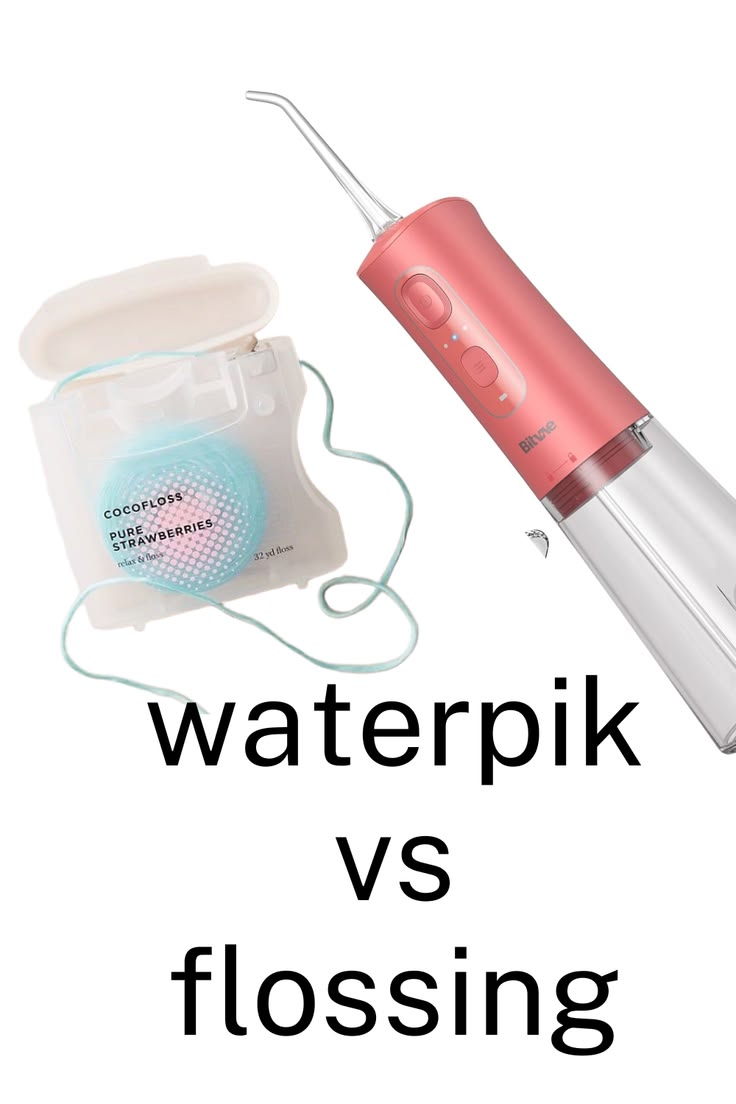
Medically Reviewed: This article references peer-reviewed clinical research and ADA guidance. Consult your dentist for personalized advice.
Brushing your teeth covers only about 60% of your tooth surfaces. The remaining 40% sits between your teeth and along your gumline, where a toothbrush simply cannot reach. That hidden 40% is exactly where gum disease, cavities, and bad breath start. So what you use to clean those spaces matters more than most people realize.
For decades, string floss was the only real option. Today, water flossers like the Waterpik have changed the game completely. Millions of people are now asking the same question every month: is a Waterpik better than regular flossing, or is traditional string floss still the gold standard your dentist swears by?
This guide answers that question honestly, using real research, not marketing claims. We cover everything from clinical study results and gum safety concerns to what Reddit users are genuinely saying about their own experiences. By the end, you will know exactly what to use and when.
Quick Verdict: Waterpik vs Flossing
| Goal | Best Option |
| Removing tight plaque between teeth | String floss |
| Reducing gum inflammation and bleeding | Waterpik |
| Cleaning around braces or implants | Waterpik |
| Budget-friendly daily cleaning | String floss |
| Best overall oral health routine | Use both |
A Waterpik is superior for gum health and bleeding reduction. String floss is still better for scraping plaque directly off tooth surfaces. Using both together gives you the most complete clean your mouth can get.
What Is a Waterpik and How Does It Work?
A Waterpik is the leading brand of water flosser, a device that uses a pressurized stream of water to flush food particles and bacteria from between your teeth and below your gumline. The pulsing water action reaches areas that both toothbrushes and string floss often miss, particularly the deep pockets around your gum tissue.
Waterpik has been manufacturing oral irrigators since 1962 and several of their models carry the ADA Seal of Acceptance, meaning the American Dental Association has reviewed clinical evidence and confirmed these devices are both safe and effective for improving gum health.
Water flossers are especially recommended for people with:
- Braces, bridges, or dental implants
- Crowns or permanent retainers
- Gum disease or chronic gum inflammation
- Arthritis or limited hand mobility that makes string flossing difficult
What Is Traditional Flossing?
Traditional flossing uses a thin string, either waxed or unwaxed, to manually clean the contact points between your teeth. You guide the floss down each tooth gap in a C-shape, scraping the sides of each tooth to physically dislodge plaque.
String floss is inexpensive, requires no power source, and is highly portable. The ADA recommends cleaning between your teeth once daily and considers both string floss and water flossers acceptable methods for doing so.
The main drawback of string floss is consistency. Studies show that only about 30% of people floss daily, largely because it is uncomfortable, time-consuming, and difficult to use correctly in back teeth.
Waterpik vs Flossing: What Real Research Shows
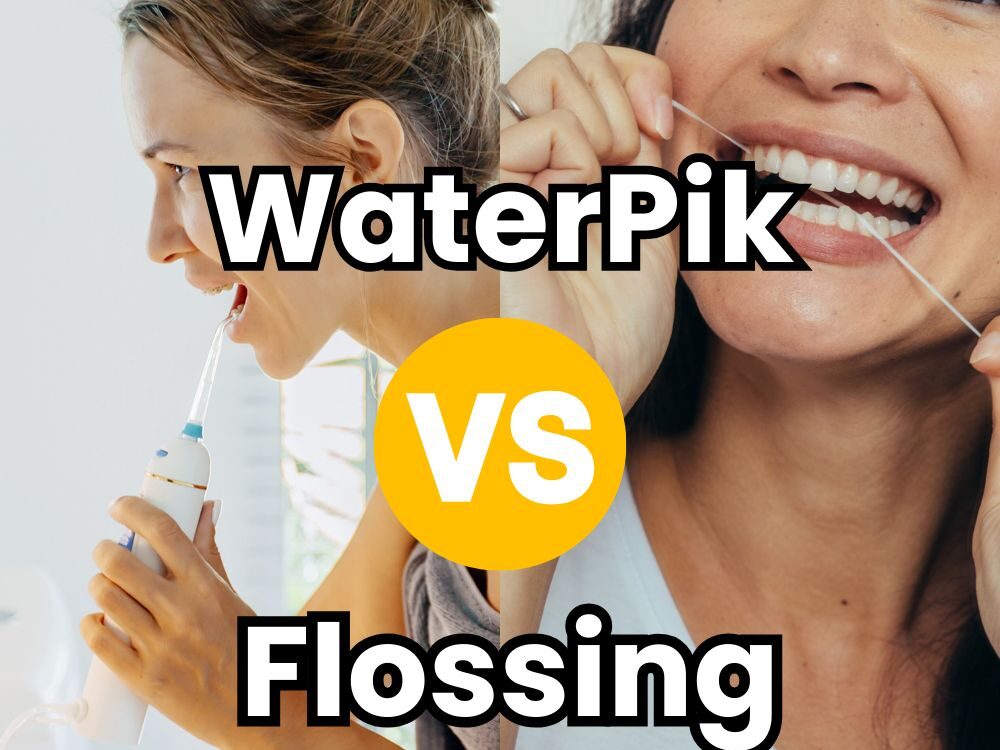
This is the part that matters most. When you look at waterpik vs flossing study results side by side, the picture becomes very clear.
A widely cited clinical study published in the Journal of Clinical Dentistry found that the Waterpik Water Flosser was up to 52% more effective than string floss for reducing gingivitis and up to 93% more effective for reducing gum bleeding. These are significant numbers, not minor differences.
A 2024 systematic review published in peer-reviewed dental literature also found that the majority of studies favor water flossers over string floss for reducing plaque around the gumline. Researchers did note high variability between studies, meaning results can differ based on individual technique, device settings, and how plaque was measured. This is worth mentioning honestly rather than overclaiming.
What the research tells us overall:
- Water flossers are clearly better for reducing gum inflammation and bleeding
- String floss still performs strongly for direct plaque removal between tight tooth contacts
- Neither method replaces brushing with fluoride toothpaste, both are supplements to brushing
- Combining both methods consistently delivers the best measurable outcomes
Benefits of Waterpik vs Flossing: A Closer Look
Understanding the real benefits of Waterpik vs flossing helps you choose what fits your life and your mouth.
Benefits of using a Waterpik:
Reaches deeper into gum pockets than string can physically access. Reduces gum bleeding significantly, often within two weeks of daily use. Easier and faster to use, especially for people with complex dental work. More comfortable for people with sensitive gums. Clinical research from the ADA-recognized studies backs its effectiveness directly.
Benefits of traditional flossing:
Costs almost nothing and fits in any bag or pocket. Physically scrapes plaque from tooth surfaces more directly. No setup, charging, or water needed. Proven track record supported by decades of dental guidance. Better for very tight tooth contacts where water pressure alone may not dislodge plaque film.
Can Waterpik Cause Gum Recession?
This is one of the most common concerns people raise, and it deserves a direct, honest answer.
Can Waterpik cause gum recession? The short answer is: not when used correctly.
Gum recession happens when gum tissue gradually pulls back from the tooth, exposing more of the tooth root. The concern with water flossers is that high pressure directed at the gumline could damage delicate tissue over time.
Here is what the evidence actually shows. Clinical studies have not found that proper use of a Waterpik causes gum recession. In fact, because water flossers reduce gum inflammation so effectively, they often help prevent the kind of chronic gum disease that leads to recession in the first place.
However, misuse is a real risk. Using the highest pressure setting on sensitive or already-receding gums, or holding the tip directly against the gum tissue at a harsh angle, can cause irritation. The correct technique is to aim the tip at a 90-degree angle to your teeth, start at the lowest pressure setting, and work your way up gradually.
To protect your gums:
- Always start at the lowest pressure setting
- Let water fall into the sink rather than swallowing
- Do not hold the tip stationary against gum tissue
- Upgrade pressure only after your gums have adjusted over one to two weeks
Is Water Flosser Bad for Gums?
Related to recession concerns, many people also ask: is water flosser bad for gums in general?
The answer from research and dental professionals is clearly no, when used as directed. Water flossers are actually gentler on gums than aggressive string flossing, which can cut gum tissue when snapped down too hard between teeth. People with gum disease, recent dental work, or chronic gum sensitivity often find water flossing significantly more comfortable and less likely to trigger bleeding than string floss.
That said, if you are recovering from oral surgery or gum treatment, always check with your dentist before using any oral irrigator. Post-surgical tissue is more vulnerable and needs specific guidance.
Should I Use a Waterpik and Floss Together?
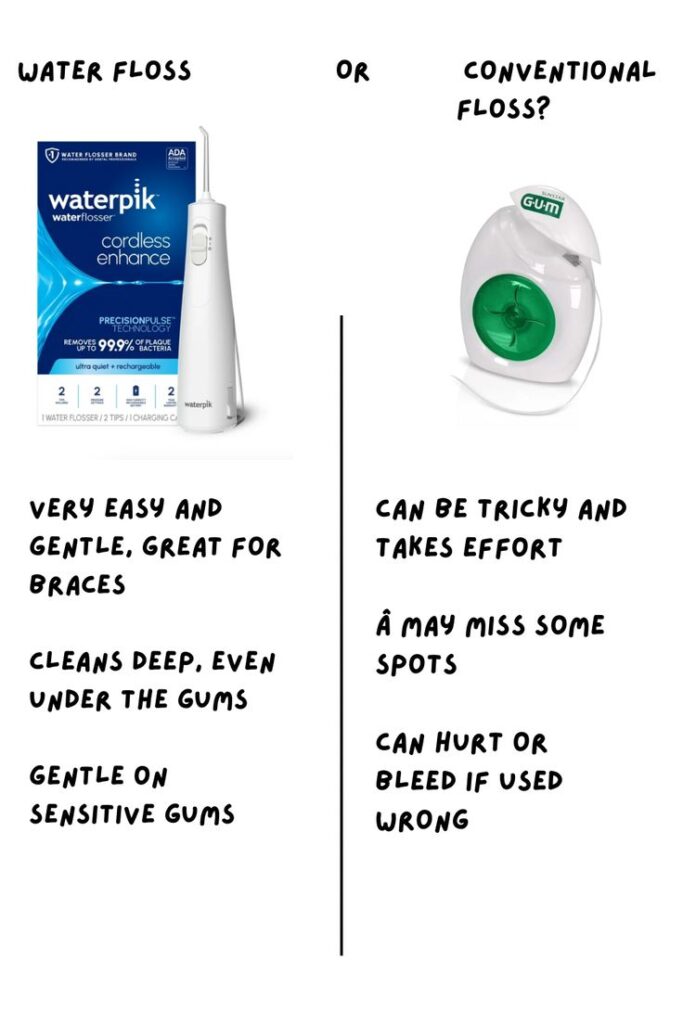
Yes, and most dentists recommend exactly this when patients ask should I use a Waterpik and floss together.
Here is why combining both makes clinical sense. String floss physically scrapes the biofilm layer from between teeth. The Waterpik then flushes out loosened debris and bacteria from the gumline. When used together, they clean different structures in a complementary way.
Think of it like washing dishes. String floss is the scrubbing brush that removes stuck food. The Waterpik is the rinse that clears everything away cleanly. You need both for the best result.
Research supports this too. Studies comparing floss alone, water flosser alone, and both combined consistently show that the combination group achieves the lowest plaque and gingivitis scores.
Waterpik or Floss First? The Correct Order
People often ask about this and get conflicting advice. The answer is actually straightforward once you understand how both tools work.
Use your Waterpik first, then floss.
Here is the reasoning. The Waterpik loosens and flushes out soft food debris and large bacterial clusters. Once those are cleared away, your string floss can work more efficiently on the remaining plaque film stuck to tooth surfaces. You are essentially clearing the field before doing the detailed work.
Some dentists suggest reversing this order, flossing first to break up plaque and then using the Waterpik to flush it away. Both approaches have merit and neither is proven dramatically superior. What matters most is that you do both consistently every day, in whatever order you will actually maintain.
Waterpik vs Flossing: Are They the Same Thing?
People sometimes search Waterpik vs flossing as if they are different products. To clear up the confusion: Waterpik IS a flosser. It is a brand of water flosser, which is itself a type of electric flossing device.
The term “flosser” can refer to several things: string floss, floss picks, electric vibrating flossers, and water flossers. Waterpik specifically refers to the water-based irrigator brand. When people compare a Waterpik vs flossing, they usually mean Waterpik compared to string floss or floss picks.
For most people, a water flosser like the Waterpik is more effective and easier to use consistently than any other flosser type, especially if you have dental work or gum sensitivity.
What Reddit Users Are Actually Saying About Waterpik vs Flossing
Across multiple Waterpik vs flossing Reddit threads and Waterpik instead of flossing Reddit discussions, real users share consistent experiences that align well with clinical research.
The most common themes across thousands of comments:
Positive experiences with switching to Waterpik: People report that gum bleeding stopped within two weeks. Multiple users describe their dental hygienist commenting that their gum health improved noticeably at their next cleaning. Several users with braces say the Waterpik was life-changing compared to threading floss under wires.
Honest drawbacks people mention: Some users note that the Waterpik alone did not fully replace the clean feeling of string floss for tight teeth. A handful of people mention making a mess when first learning to use it. A few users with very sensitive gums found even the lowest setting slightly uncomfortable initially.
The consistent Reddit consensus: Most dental-focused Reddit communities recommend using both a Waterpik and string floss rather than choosing one. Users who switched to Waterpik only often return to adding string floss back in after their next dental visit reveals plaque in tight contact areas.
This community wisdom lines up exactly with what clinical research shows.
Oral B Water Flosser vs Waterpik and Other Brand Comparisons
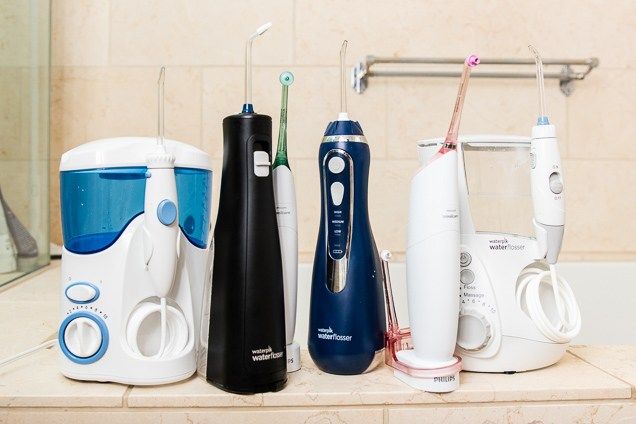
Several brands compete in this space. Here is an honest comparison:
| Product | Type | Key Strength | ADA Accepted |
| Waterpik Aquarius WP-660 | Countertop | 10 settings, strongest clinical backing | Yes |
| Waterpik Cordless Advanced WP-560 | Cordless | Portable, shower-safe | Yes |
| Philips Sonicare Power Flosser 7000 | Countertop | Quad Stream technology, sleek design | Check model |
| Oral B Water Flosser Advanced | Cordless | Pairs well with Oral B toothbrush ecosystem | Check model |
When comparing oral B water flosser vs Waterpik, the Waterpik generally offers more pressure settings and stronger clinical research support. The Oral B option suits people already invested in the Oral B ecosystem.
For sonicare flosser vs Waterpik, the Philips model is elegant and compact but Waterpik still leads in peer-reviewed clinical evidence. Independent review sites consistently rank the Waterpik Aquarius as the best rated water flosser for overall performance and value.
FAQs
Can a Waterpik replace flossing completely?
It can replace string floss for many people, especially those with braces or gum disease. However, most dentists recommend using both for the most complete clean. The Waterpik excels at gum health while string floss excels at plaque removal between tight teeth.
Is Waterpik good enough if I hate flossing?
Yes. Using a Waterpik daily is far better than not flossing at all. Research clearly shows significant improvements in gum health from water flosser use alone. If Waterpik is the only interdental tool you will actually use, use it.
Is a Waterpik safe for sensitive gums?
Yes, when set to the lowest pressure. The Waterpik is often gentler on sensitive gums than aggressive string flossing. Start on the lowest setting and increase pressure only after one to two weeks of comfortable use.
Waterpik or floss first?
Waterpik first, then floss. This order clears debris first, letting floss focus on plaque removal more effectively.
Conclusion: Waterpik vs Flossing
After reviewing the clinical research, dental guidance, and real user experiences, the verdict on waterpik vs flossing is clear. Neither tool alone gives you a complete clean. The Waterpik wins for gum health, bleeding reduction, and ease of use especially around complex dental work. String floss wins for direct plaque removal on tight tooth surfaces. Together, they cover every part of your mouth that a toothbrush misses and give you the strongest possible defense against gum disease and cavities.
The biggest mistake most people make is treating this as an either-or decision. The benefits of Waterpik vs flossing are not in competition, they are complementary. If you currently do nothing between your teeth, start with a Waterpik today and add string floss when you are ready. If you already floss with string, add a water flosser and your dentist will likely notice the difference at your very next checkup. Consistency, not perfection, is what protects your gums long term.
References
- Barnes CM et al. Comparison of irrigation to floss as an adjunct to tooth brushing. Journal of Clinical Dentistry, 2005.
- American Dental Association. Flossing and Interdental Cleaners. ADA.org/oral-health-topics/floss
- Moreira Neto JJ et al. Systematic review on water flosser vs string floss, 2024. PMC10906797
- Waterpik Clinical Research Summary. Waterpik.com/pro/clinical-research
- ADA Mouth Healthy. Water Flossers. MouthHealthy.org