
Introduction
Many people want to prevent cavities at home and keep their teeth healthy without expensive treatments. Cavities are very common, but you can avoid them with simple daily habits. Cavities form when plaque and bacteria stay on your teeth and use sugar from food. The bacteria then produce acid that slowly damages your tooth enamel and leads to tooth decay.
You can protect your teeth by taking small but important steps every day. Brush your teeth twice daily, floss once a day, and use fluoride toothpaste to keep your enamel strong. Healthy food choices and regular dental checkups also help reduce plaque buildup and protect your smile.
In this guide, you will learn simple and practical ways to care for your teeth and prevent cavities before they start.
What Are Cavities and How Do They Form
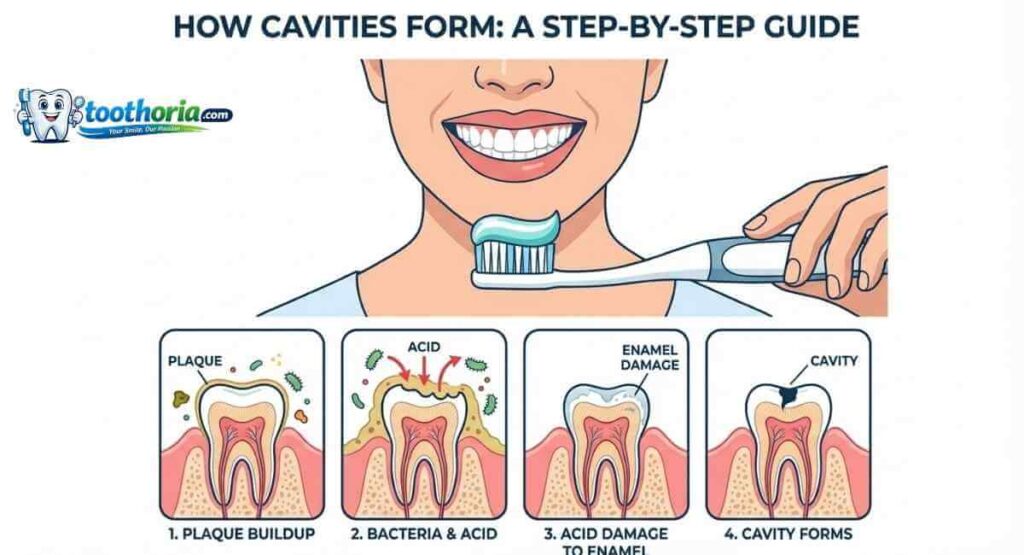
A cavity is a small hole in the tooth. It develops when the surface of the tooth gets damaged over time.
Teeth have a protective outer layer called tooth enamel. Enamel is very strong, but it can be weakened by acid.
Here is how cavities form step by step:
- Food particles stay on teeth after eating.
- Bacteria in the mouth feed on sugar.
- These bacteria create acid.
- The acid attacks the enamel.
- Over time, the enamel breaks down.
- A hole forms. This is a cavity.
This process is called tooth decay.
If plaque is not removed daily, it hardens and becomes tartar. Over time this buildup can turn into dental calculus, which increases the risk of cavities and gum disease.
That is why good oral hygiene is very important for cavity prevention.
Early Signs of Tooth Decay You Should Not Ignore
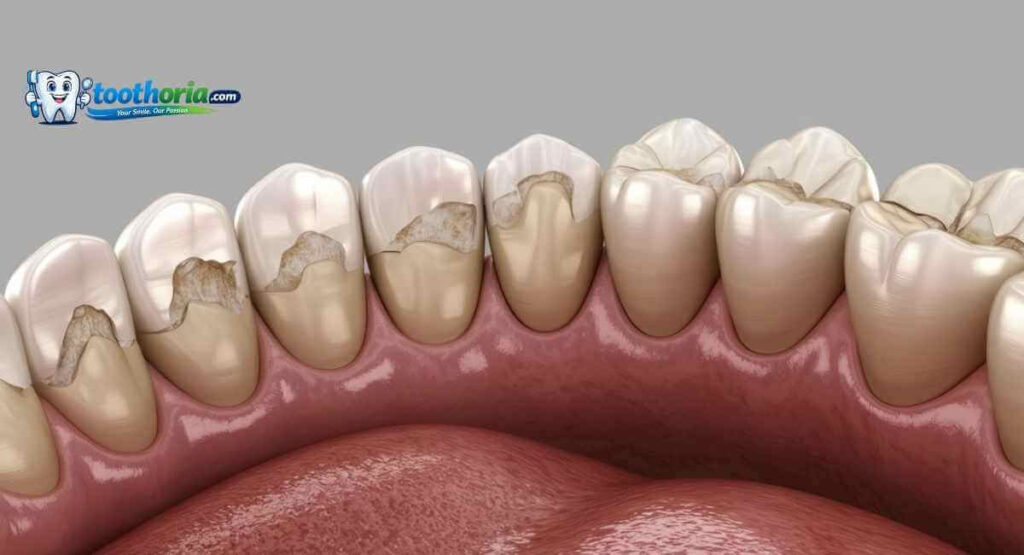
Cavities often start without pain. But there are early warning signs.
If you notice these symptoms, take action quickly:
1. Tooth Sensitivity
You may feel discomfort when eating hot, cold, or sweet foods. This can be an early sign of enamel damage.
2. White Spots on Teeth
White spots can mean mineral loss. This is one of the first stages of decay.
3. Mild Tooth Pain
Small pain that comes and goes should not be ignored.
4. Dark Spots or Stains
Brown or black spots may indicate a developing cavity.
5. Bad Breath
Ongoing bad breath can be linked to bacteria buildup.
Early treatment is easier and less expensive. If detected early, damage can sometimes be slowed or stopped.
Regular self-check and dental visits help prevent serious problems.
If tooth decay is ignored for a long time, it can lead to serious infections. In rare cases, untreated dental infections can become dangerous, as explained in this guide about tooth infections.
Daily Habits to Prevent Cavities

To successfully prevent cavities at home, daily habits are the most important factor. Consistency matters more than anything else.
Healthy gums are just as important as healthy teeth. Poor oral hygiene can lead to gum diseases, which may increase the risk of tooth decay.
Simple routines can protect your teeth for life.
Brush Your Teeth the Right Way
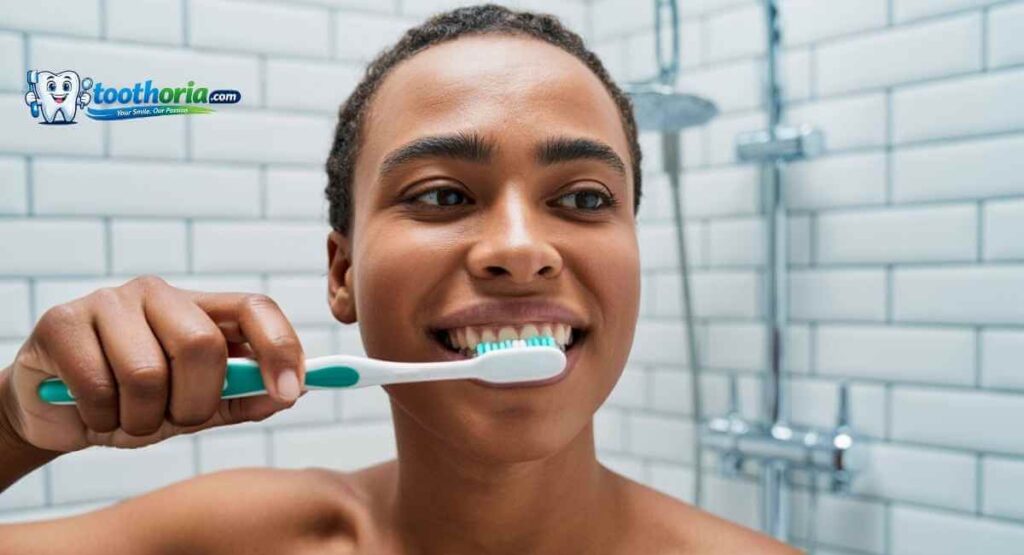
Brushing removes plaque and food particles. It is the first line of defense against tooth decay.
Follow these guidelines:
- Brush at least two times a day.
- Use a soft-bristle toothbrush.
- Brush for two minutes.
- Cover all tooth surfaces.
- Do not brush too hard.
Brushing before bed is very important. During sleep, saliva flow reduces. This allows bacteria to grow more easily.
Replace your toothbrush every three months or sooner if the bristles are damaged.
Good brushing is one of the strongest ways to protect tooth enamel.
Why Flossing Is Essential for Cavity Prevention
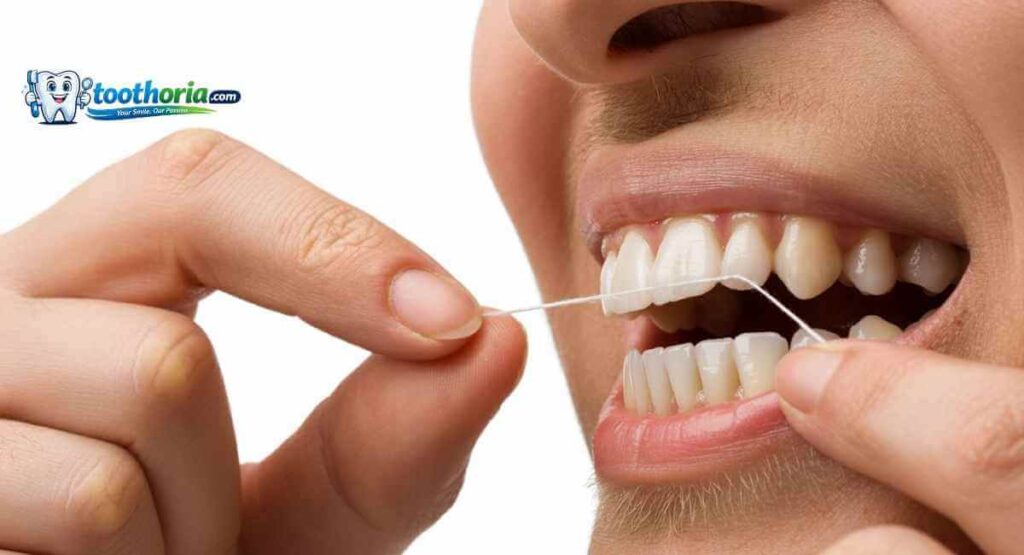
Many people brush daily but skip flossing. This is a common mistake.
A toothbrush cannot clean between teeth properly. Food can stay in these tight spaces. That food can turn into plaque.
Flossing helps remove:
- Food particles
- Plaque buildup
- Bacteria between teeth
Floss once a day. It helps protect gum health and reduces the risk of cavities between teeth.
Healthy gums also support strong teeth.
Use Fluoride Toothpaste for Stronger Enamel
Fluoride is a mineral that strengthens teeth. It helps repair early enamel damage through a process called remineralization.
Using fluoride toothpaste:
- Makes enamel stronger
- Reduces acid damage
- Helps prevent cavities
- Protects against tooth decay
Most dental experts recommend fluoride toothpaste for both children and adults.
Use a small amount for children and a pea-sized amount for adults.
Fluoride is one of the most effective tools to prevent cavities at home.
Best Foods That Help Prevent Cavities
Food plays a big role in dental health. A balanced diet can help you prevent cavities at home by strengthening teeth and controlling bacteria.
Some foods help protect tooth enamel and reduce acid in the mouth.
Dairy Products for Strong Teeth
Dairy foods are rich in calcium and phosphorus. These minerals help keep teeth strong.
Examples include:
- Milk
- Cheese
- Yogurt
Cheese is especially helpful. It increases saliva flow. Saliva helps wash away food and neutralize acid.
Plain yogurt is also a good choice. It contains healthy bacteria that support oral health.
Regular intake of dairy can support enamel strength and reduce the risk of tooth decay.
Crunchy Fruits and Vegetables
Crunchy foods can help clean teeth naturally while you chew.
Examples include:
- Apples
- Carrots
- Celery
These foods increase saliva production. More saliva means less acid in the mouth.
They also help remove light plaque from tooth surfaces.
While they do not replace brushing, they support daily oral care.
Adding fresh fruits and vegetables to your diet supports both body health and dental hygiene.
Foods and Habits That Cause Cavities
To protect your teeth, it is important to know what increases the risk of decay.
Poor oral hygiene can also lead to bad breath and harmful bacteria buildup. Using the best mouthwash for smelly breath can help reduce bacteria and improve oral hygiene.
Some foods and habits create acid and feed harmful bacteria.
Sugary Drinks and Snacks
Sugar is one of the main causes of cavities.
When you consume:
- Soda
- Sweet juices
- Candy
- Cakes
- Cookies
Bacteria in the mouth turn sugar into acid. This acid damages tooth enamel.
Frequent exposure to sugar increases the chance of cavities.
It is better to limit sugary foods. If you consume them, rinse your mouth with water afterward.
Frequent Snacking Mistakes
Eating small snacks many times a day keeps sugar in the mouth for longer periods.
Each time you eat sugar, acid is produced. If this happens often, enamel does not get enough time to recover.
Late-night snacking is also harmful. At night, saliva flow decreases. This makes teeth more vulnerable.
Try to:
- Avoid constant snacking
- Reduce sugary drinks
- Maintain regular meal times
These habits support better cavity prevention.
Professional Dental Care for Better Protection
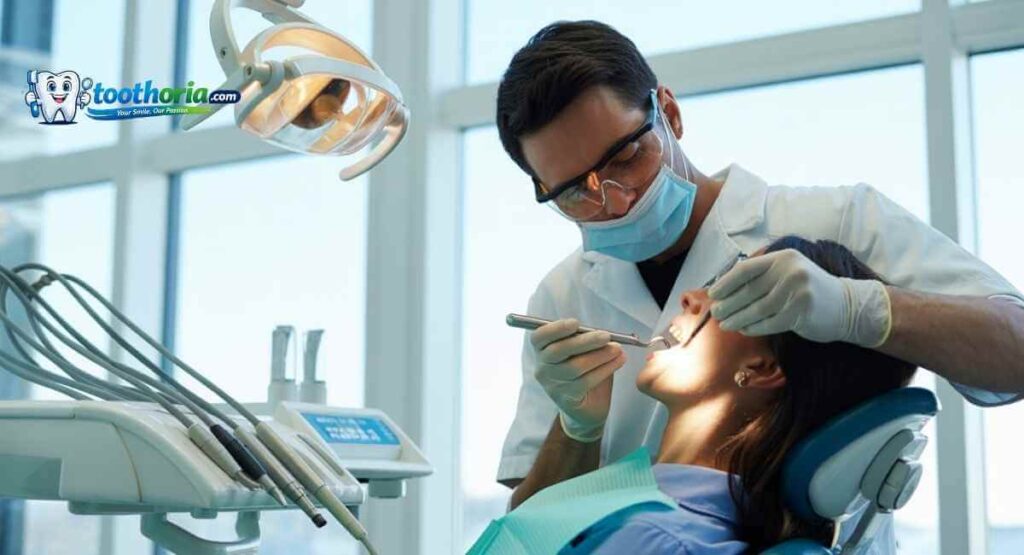
Home care is very important. However, professional care adds extra protection.
Dentists can detect problems early and prevent them from becoming serious.
If an infection develops, dentists may prescribe medication. In some cases, they may use antibiotics for gum infection to control bacterial growth.
Regular Dental Checkups
Visit a dentist at least twice a year.
During a checkup, the dentist:
- Examines your teeth
- Checks for early signs of decay
- Cleans hardened plaque
- Gives advice for better care
Professional cleaning removes tartar that cannot be removed by brushing alone. Dentists may also recommend gum cleaning at the dentist to remove deep plaque and protect oral health.
Regular visits support long-term oral health.
Dental Sealants and Fluoride Treatment
Dental sealants are thin protective coatings placed on back teeth. These teeth have deep grooves where food can get stuck.
Sealants:
- Block bacteria
- Reduce cavity risk
- Protect chewing surfaces
Fluoride treatments are stronger than regular toothpaste. Dentists apply them to strengthen enamel.
These treatments are especially helpful for children and people with higher cavity risk.
They provide extra support along with daily care.
Common Mistakes That Increase Tooth Decay
Many cavities happen because of small daily mistakes.
Avoid these habits:
- Brushing for less than two minutes
- Using a hard toothbrush
- Skipping flossing
- Not brushing before bed
- Drinking soda daily
- Ignoring early tooth pain
Another common mistake is not replacing the toothbrush on time. Worn bristles clean poorly.
Good habits must be consistent. Prevention works only when done daily.
FAQ’s
Can cavities heal naturally?
Early enamel damage can sometimes be repaired with fluoride, good brushing, and a healthy diet. However, once a cavity forms a hole, it cannot heal without dental treatment.
How long does it take for a cavity to form?
It depends on diet, oral hygiene, and bacteria levels. In some cases, cavities can develop over several months. Poor habits increase the speed of decay.
Is fluoride safe?
Yes. Fluoride in toothpaste and professional treatments is considered safe when used correctly. It strengthens enamel and helps prevent tooth decay.
How often should I visit a dentist?
Most people should visit every six months. Some people may need more frequent visits based on their dental condition.
Regular checkups help detect problems early.
How can I prevent cavities naturally?
Brush twice daily, floss once a day, limit sugar, drink water, and eat foods rich in calcium to protect tooth enamel.
What is the 3-3-3 rule for teeth?
Brush 3 times a day, brush for 3 minutes, and avoid eating for 3 hours before sleep.
Can you prevent a cavity once it starts?
If the cavity is very early, good brushing and fluoride toothpaste may slow or stop damage. A real hole needs dental treatment.
Can anything reverse cavities?
Early enamel damage may improve through remineralization with fluoride and good oral care. Advanced cavities cannot reverse.
What is the #1 cause of cavities?
The main cause is plaque buildup from bacteria that feed on sugar.
What kills tooth decay bacteria?
Brushing with fluoride toothpaste, flossing, and using antibacterial mouthwash helps control harmful bacteria.
How to 100% prevent cavities?
You cannot guarantee 100% prevention, but brushing, flossing, limiting sugar, and regular dental checkups greatly reduce risk.
Does vitamin D reverse tooth decay?
Vitamin D does not reverse cavities, but it helps the body absorb calcium and supports stronger teeth.
Conclusion
To prevent cavities at home, you must follow simple daily habits.
Brush your teeth twice a day.
Floss once daily.
Use fluoride toothpaste.
Eat healthy foods.
Limit sugar.
Visit your dentist regularly.
Cavities develop slowly, but prevention works best when started early. Strong daily care protects your tooth enamel, reduces plaque buildup, and supports long-term oral health.
Healthy habits today can save pain, time, and money in the future. Your smile depends on consistent care.To prevent cavities at home, follow simple but consistent habits. Brush your teeth twice daily with fluoride toothpaste, floss once a day, and limit sugar intake. Eat healthy foods, drink plenty of water, and visit your dentist regularly for checkups.
These daily steps protect your tooth enamel, reduce plaque buildup, and lower the risk of tooth decay. Cavities develop slowly, but strong prevention starts early. Good oral care today helps you maintain healthy teeth and a confident smile for the long term.