
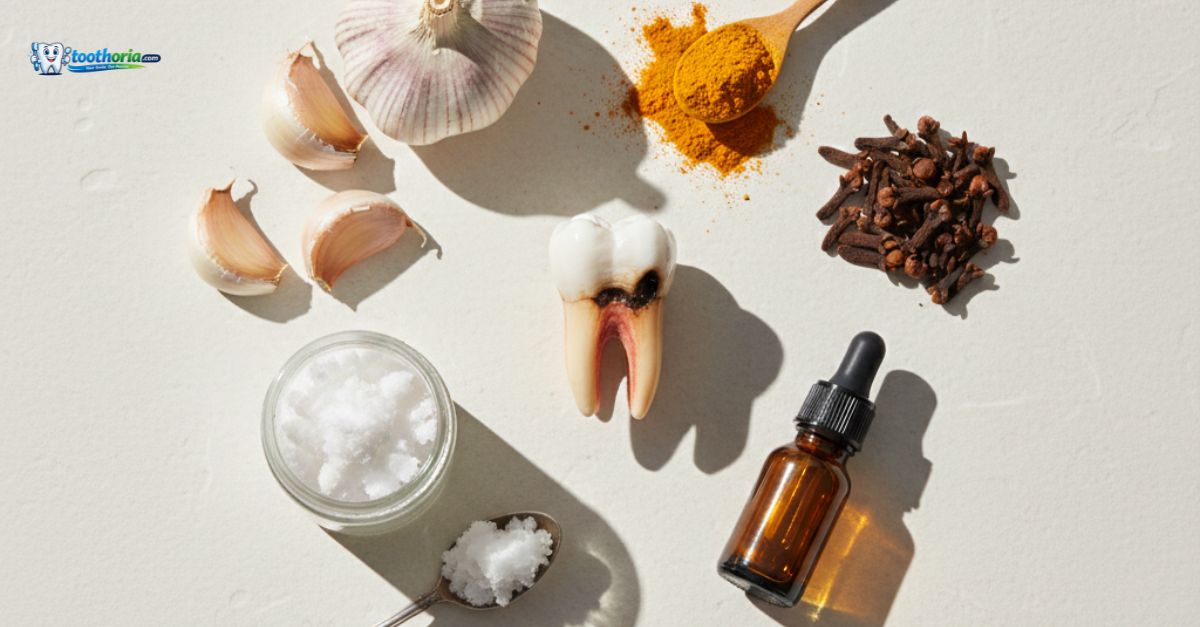
Dental infections affect millions globally, causing severe pain and potentially dangerous complications if left untreated. While prescription antibiotics remain the gold standard for serious infections, natural antibiotics have gained significant attention for their antimicrobial properties and supportive role in oral health management. Understanding what is a natural antibiotic and how these compounds work can empower you to make informed decisions about complementary dental care.
Nature’s natural antibiotics are bioactive compounds found in plants, herbs, and foods that demonstrate antimicrobial activity against bacteria, fungi, and viruses. These substances have been used for centuries in traditional medicine, and modern research continues to validate their therapeutic potential. For dental infections specifically, certain natural antibiotics for tooth infection have shown remarkable promise in laboratory studies and clinical observations.
This comprehensive guide explores the strongest natural antibiotic for tooth infection, examining scientific evidence, proper usage, and safety considerations. Whether you’re dealing with a gum infection, toothache, or seeking preventive care, understanding natural remedies for tooth infection provides valuable knowledge for maintaining optimal oral health alongside professional dental treatment.
1. Understanding Natural Antibiotics and Their Mechanism
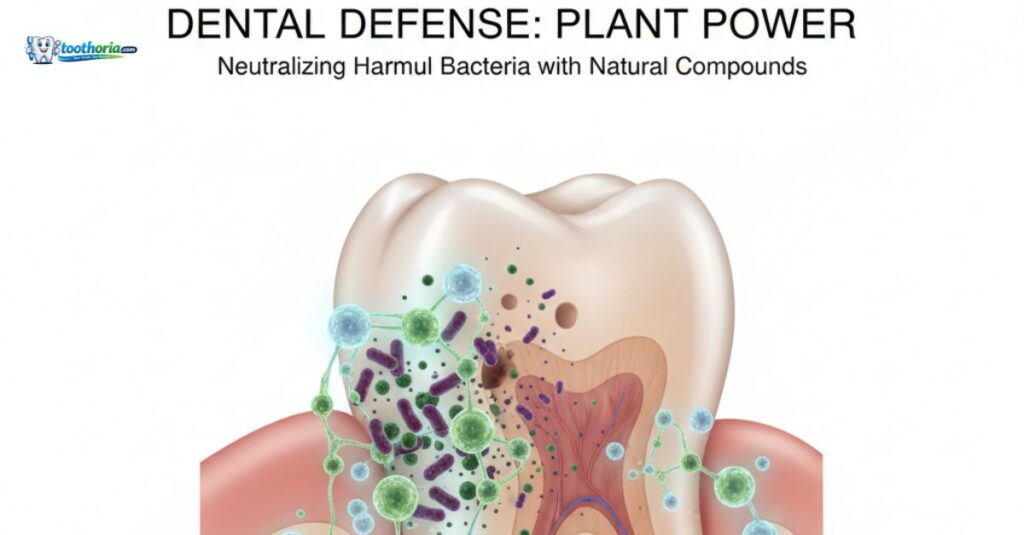
What is a natural antibiotic? Simply put, these are organic compounds with antimicrobial properties that can inhibit bacterial growth or kill harmful microorganisms. Unlike synthetic antibiotics, natural alternatives typically contain multiple bioactive components that work synergistically.
Key characteristics include:
- Antimicrobial compounds that disrupt bacterial cell walls
- Anti-inflammatory properties reduce swelling and pain
- Antioxidant effects supporting tissue healing
- Lower risk of antibiotic resistance development
Natural antibiotics for humans function through various mechanisms, including membrane disruption, enzyme inhibition, and interference with bacterial DNA replication. Understanding these mechanisms helps explain why certain natural antibiotic supplements can effectively support conventional dental treatments.
2. Garlic: The Strongest Natural Antibiotic for Tooth Infection
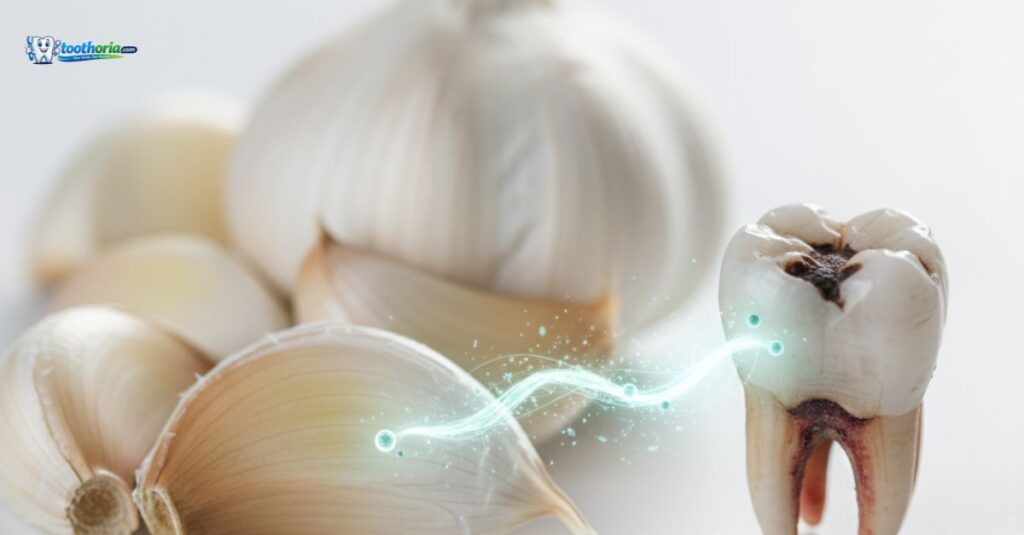
Garlic stands as arguably the strongest natural antibiotic available, particularly effective for dental applications. The secret lies in allicin in garlic, a powerful organosulfur compound released when garlic cloves are crushed or chewed.
How Allicin Works Against Dental Infections
Allicin in garlic demonstrates broad-spectrum antimicrobial activity against the bacteria commonly responsible for tooth infections, including Streptococcus mutans and Porphyromonas gingivalis. Research published in dental microbiology journals confirms that allicin disrupts bacterial cell membranes and inhibits essential enzyme systems.
Proper Application Methods
For topical use:
- Crush one fresh garlic clove to activate allicin
- Mix with a small amount of salt
- Apply directly to the affected area for 5-10 minutes
- Rinse thoroughly with warm water
For systemic benefits:
- Consume 2-3 raw garlic cloves daily
- Allow crushed garlic to sit for 10 minutes before eating to maximize allicin production
- Consider aged garlic extract supplements for convenience
Scientific Evidence Supporting Garlic for Tooth Infection
Multiple studies demonstrate garlic’s effectiveness as a natural antibiotic for tooth infection. A 2019 study found that garlic extract showed comparable antibacterial activity to certain conventional antibiotics against oral pathogens, making it one of the most reliable home remedies for tooth infection.
3. Wild Oregano Oil: Nature’s Powerful Antimicrobial
“Where can I buy wild oregano oil is a common question among those seeking natural antibiotics for dental infection. This potent essential oil contains carvacrol and thymol, compounds with exceptional antimicrobial properties.
Benefits for Dental Health
Wild oregano oil offers multiple advantages:
- Kills bacteria, viruses, and fungi effectively
- Reduces inflammation in gum tissue
- Provides pain relief for toothaches
- Supports immune system function
Usage Guidelines
Important: Always dilute oregano oil before oral application. Mix 1-2 drops with a tablespoon of carrier oil (coconut or olive oil) and apply to the affected area using a cotton swab. You can also add 2-3 drops to water for an antimicrobial mouth rinse.
4. Oil Pulling for Tooth Abscess Relief
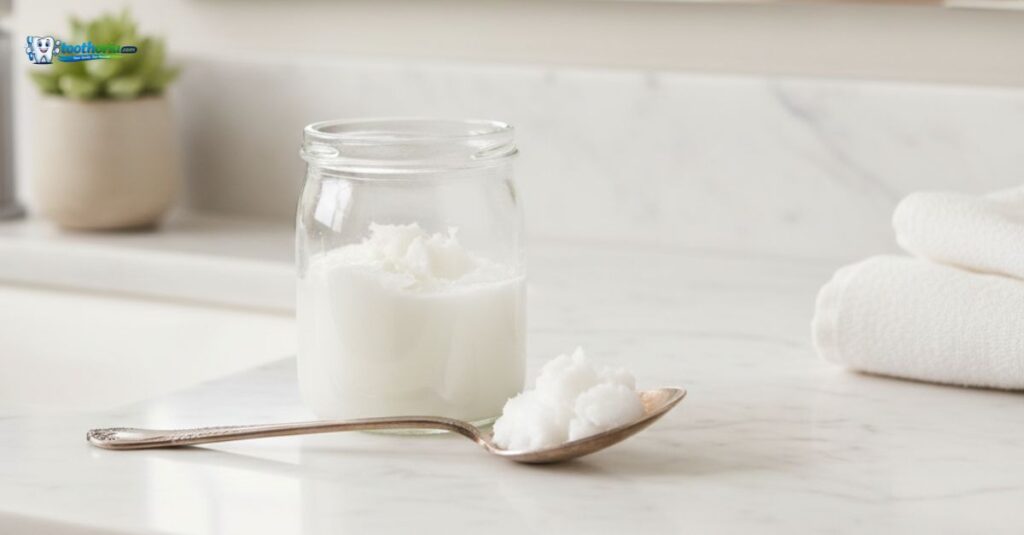
Oil pulling for tooth abscess represents an ancient Ayurvedic practice gaining modern recognition as one of the effective natural antibiotics for teeth. This technique involves swishing oil in your mouth to draw out toxins and bacteria.
The Science Behind Oil Pulling
Research indicates oil pulling reduces harmful oral bacteria, decreases plaque formation, and alleviates gingivitis symptoms. The lipid-based oil binds to bacterial cell membranes, effectively removing microorganisms from oral surfaces.
Step-by-Step Oil Pulling Protocol
- Use 1 tablespoon of coconut oil (preferred for antimicrobial properties)
- Swish gently for 15-20 minutes on an empty stomach
- Spit into trash (not sink to avoid plumbing clogs)
- Rinse mouth with warm water
- Brush teeth normally
Practice daily for optimal benefits as part of your teeth infection home remedies routine.
5. Additional Natural Antibiotics for Gum Infection
Clove Oil
Contains eugenol, a natural anesthetic and antimicrobial. Apply diluted clove oil directly to painful areas for immediate relief and bacterial reduction.
Tea Tree Oil
This powerful antimicrobial supplement in liquid form fights multiple bacterial strains. Add 2-3 drops to water for a therapeutic mouth rinse, but never swallow.
Turmeric Paste
Curcumin provides anti-inflammatory and antimicrobial benefits. Create a paste with turmeric powder and water, applying directly to infected gums.
Hydrogen Peroxide Rinse
A mild antiseptic that oxygenates tissue and kills anaerobic bacteria. Dilute 3% hydrogen peroxide with equal parts water for a safe mouth rinse.
Saltwater Solution
Perhaps the simplest natural antibiotic for gum infection, saltwater creates an inhospitable environment for bacteria while reducing inflammation and promoting healing.
6. Natural Antibiotic Mouthwash Formulations
Creating your own natural antibiotic mouthwash combines multiple antimicrobial ingredients for synergistic effects:
Recipe #1: Triple-Action Rinse
- 1 cup distilled water
- 2 drops oregano oil
- 2 drops of tea tree oil
- 1 teaspoon sea salt
- Mix well and use twice daily
Recipe #2: Herbal Infusion
- Steep sage, thyme, and peppermint in hot water
- Cool and add 1 drop of clove oil
- Strain and use as needed
These natural antibiotics for infections provide complementary support to professional dental care.
7. Natural Antibiotic Supplements for Dental Health
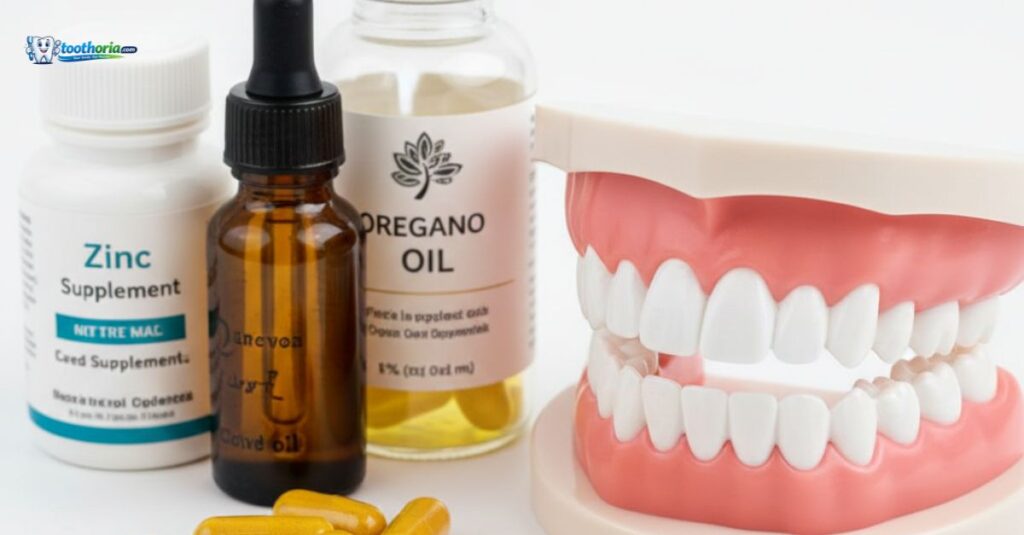
Natural antibiotic supplements offer convenient, standardized dosing for systemic support:
Top Recommendations:
- Aged garlic extract capsules: 600-1200mg daily
- Oregano oil softgels: Follow manufacturer guidelines
- Echinacea: Supports immune response during infections
- Vitamin C: Essential for gum health and healing
- Probiotics: Balance oral microbiome after antibiotic use
These antimicrobial supplements work best when combined with proper oral hygiene and professional dental care.
8. What is the Strongest Natural Antibiotic for Humans in Dental Applications?
Based on scientific evidence and clinical observations, garlic for tooth infection emerges as the strongest natural antibiotic due to allicin’s powerful antimicrobial properties. However, effectiveness varies by individual and infection severity.
Comparative effectiveness:
- Garlic (allicin): Broad-spectrum, highly potent
- Oregano oil: Concentrated antimicrobial action
- Clove oil: Excellent for pain and bacteria
- Tea tree oil: Strong but requires careful dilution
- Turmeric: Superior anti-inflammatory with moderate antimicrobial effects
Important note: While these represent the strongest natural antibiotic options for tooth infections, they should complement, not replace, professional dental treatment for serious infections.
Safety Considerations and When to Seek Professional Care
While natural antibiotics for toothache and infections offer benefits, understanding limitations is crucial:
Red flags requiring immediate dental care:
- Severe, persistent pain unrelieved by natural remedies
- Facial swelling or fever above 101°F
- Difficulty breathing or swallowing
- Infection spreading beyond the tooth area
Over-the-counter antibiotics (which actually require prescriptions in most countries) remain necessary for serious dental abscesses. Natural dental antibiotics work best for:
- Mild infections
- Preventive care
- Supporting conventional treatment
- Managing symptoms until dental appointments
Always inform your dentist about natural antibiotics for gum infection you’re using to avoid potential interactions with prescribed medications.
Conclusion
Natural antibiotics represent valuable tools in the dental health arsenal, offering antimicrobial benefits with fewer side effects than synthetic alternatives. From garlic for tooth infection to oil pulling for tooth abscess relief, these time-tested remedies demonstrate real therapeutic potential supported by scientific research.
However, natural remedies for tooth infection work best as complementary approaches alongside professional dental care. The strongest natural antibiotic for humans cannot replace proper diagnosis and treatment of serious dental infections. Use nature’s natural antibiotics wisely for prevention, mild infections, and supporting your dentist’s prescribed treatment plan. By combining evidence-based natural antibiotics for humans with professional dental expertise, you create a comprehensive strategy for optimal oral health and effective infection management.