
I still remember the first time I saw blood in the sink after brushing my teeth. I thought it was normal. Maybe I brushed too hard. Maybe my toothbrush was old.
I ignored it for months.
That was my biggest mistake. What started as a little bleeding turned into swollen gums, bad breath that wouldn’t go away, and eventually a visit to the dentist that I wish I hadn’t delayed.
Gum disease doesn’t announce itself with pain. They creep in quietly. By the time you notice something’s really wrong, the damage is already happening.
Today, I want to walk you through everything I learned the hard way about gum disease. We’ll cover what they are, why they happen, how to spot the early warning signs, and what you can actually do to stop them before they steal your smile.
What Are Gum Diseases?
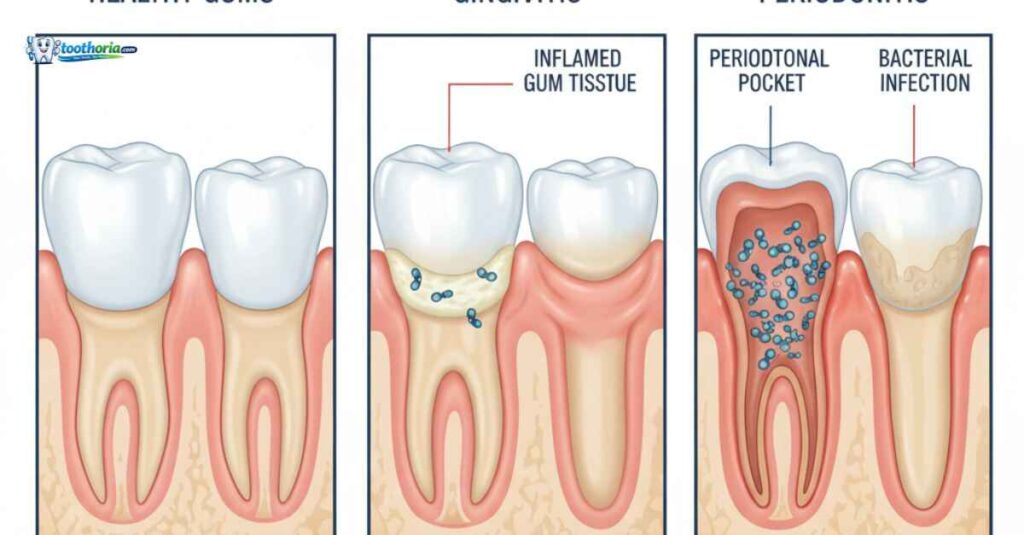
Gum diseases are infections of the tissues that hold your teeth in place. They start with bacteria. Your mouth is full of bacteria. Some are helpful. Others cause problems when they build up.
When you don’t brush or floss properly, bacteria form a sticky film called plaque. Plaque hardens into tartar. Tartar irritates your gums. Your gums get inflamed. That’s where gum disease begins.
There are two main types of gum disease we need to discuss.
Gingivitis: The Early Stage
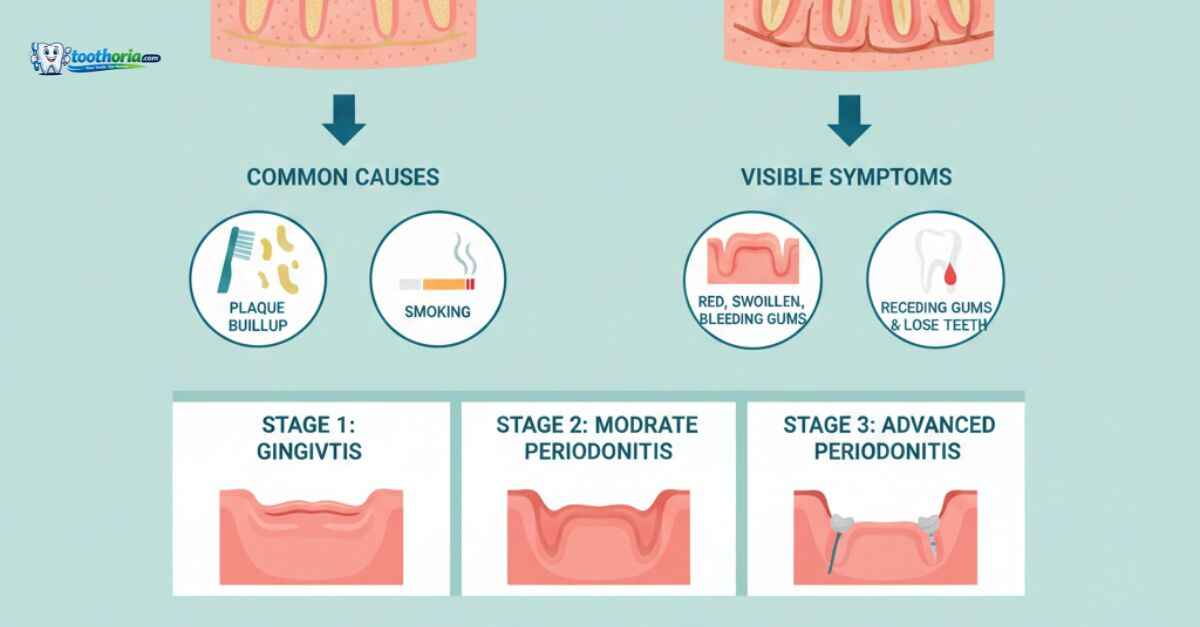
Gingivitis is mild gum inflammation. Your gums might look red or puffy. They bleed when you brush or floss. But here’s the good news: gingivitis is reversible.
I had gingivitis for almost a year without knowing it. My dentist caught it during a routine checkup. She told me that with better brushing habits and professional cleaning, I could completely reverse it.
And she was right.
Periodontitis: The Advanced Stage
Periodontitis is what happens when you ignoregingivitis. The infection spreads below your gum line. It attacks the bone that supports your teeth. Once bone is lost, it doesn’t grow back.
My uncle lost three teeth to periodontitis. He’s only 52. He didn’t think bleeding gums were a big deal until his teeth started getting loose.
The difference between gingivitis and periodontitis is simple: one you can fix, the other you can only manage.
What Causes Gum Diseases?
I used to think gum disease only happened to people who never brushed their teeth. I was wrong. There are actually several causes of gum disease, and some might surprise you.
- Poor oral hygiene is the biggest culprit. When you skip brushing or flossing, plaque buildup happens fast. Within 24 hours, plaque starts hardening. Within days, it becomes tartar that only a dentist can remove.
- Smoking destroys your gums. I’ve seen this firsthand with patients at our clinic. Smokers heal more slowly after gum treatments. Their gums recede faster. Tobacco weakens your immune system’s ability to fight gum infections.
- Diabetes makes gum disease worse. High blood sugar feeds the bacteria in your mouth. People with diabetes are two to three times more likely to develop periodontal disease.
- Hormonal changes affect women more than men. Pregnancy, menopause, and even monthly cycles can make gums more sensitive. My wife had pregnancy gingivitis with our first child. Her gums bled every time she brushed.
- Genetics plays a role, too. Some people are just more prone to gum disease, even with good oral hygiene habits. If your parents had gum problems, you’re at higher risk.
- Stress weakens your immune system. When you’re stressed, your body can’t fight infections as well. That includes the bacteria causing gum inflammation.
- Certain medications dry out your mouth. Saliva protects your gums. Without enough saliva, bacteria thrive. Antidepressants, blood pressure medications, and antihistamines all reduce saliva flow.
I learned about medication-induced dry mouth from my mother. She started taking blood pressure medication and, within months, developeda chronic gum infection. Her dentist connected the dots.
Early Warning Signs of Gum Disease
Most people miss the early signs of gum disease because they don’t hurt. Pain comes later. By then, the damage is done.
Here’s what I watch for now:
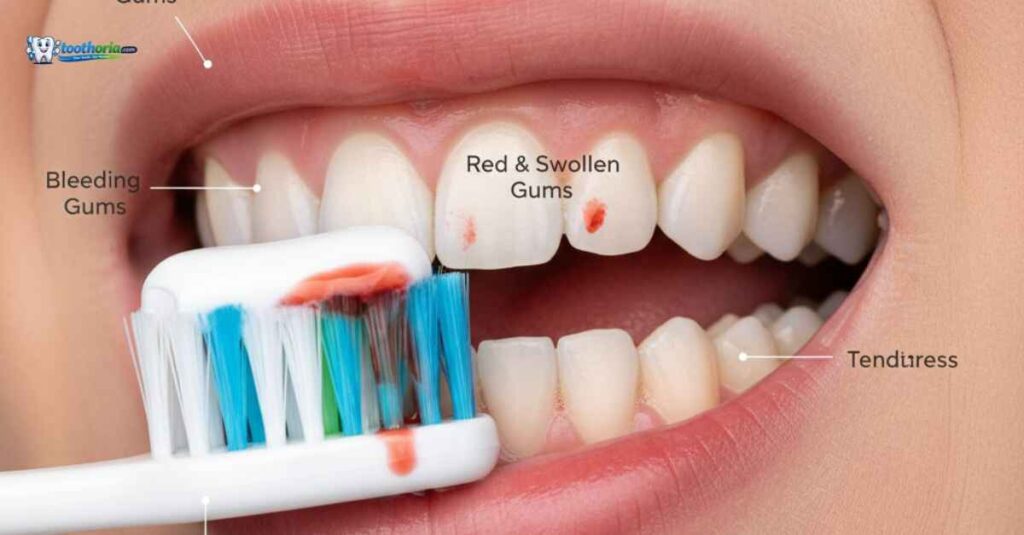
Bleeding gums are never normal. I don’t care what anyone tells you. Healthy gums don’t bleed when you brush or floss. If you see blood, something’s wrong.
Red or swollen gums instead of firm and pink. Healthy gum tissue looks pale pink. When gums get puffy or bright red, that’s inflammation.
Bad breath that won’t go away even after brushing. We call this chronic bad breath or halitosis. It comes from bacteria producing sulfur compounds in your mouth.
Gums pulling away from teeth create pockets. These periodontal pockets trap food and bacteria. The deeper the pockets, the worse the disease.
I use a simple test at home now. I look in the mirror after brushing. If my gums look swollen or if there’s any blood on my toothbrush, I schedule a dental checkup right away.
Advanced Symptoms You Can’t Ignore
When gum disease progresses to periodontitis, the symptoms get serious.
Gum recession makes your teeth look longer. The roots become exposed. Food gets stuck more easily. Sensitivity to hot and cold increases.
Loose teeth that shift when you push them with your tongue. This scared me the most when I talked to patients who waited too long. Once teeth get loose, you’re looking at possible tooth loss.
Pain while chewing means the infection has affected the bone. Healthy teeth don’t hurt when you eat.
Pus between teeth and gums is an active infection. This is a dental emergency. If you see pus, call your dentist immediately.
Changes in your bite happen when teeth shift due to bone loss. You might notice your teeth don’t fit together like they used to.
I met a woman last year who came in with advanced periodontal disease symptoms. She had ignored bleeding gums for five years. By the time she sought treatment, she needed multiple teeth extracted and bone grafting procedures.
She told me she wished someone had explained these symptoms to her earlier.
The Stages of Gum Disease

Understanding how gum disease progresses helped me take it more seriously.
Stage 1: Healthy Gums
Your gums are pink, firm, and don’t bleed. No periodontal pockets. This is where we all want to stay.
Stage 2: Gingivitis
Your gums are inflamed, but the bone and connective tissue aren’t damaged yet. With professional cleaning and better oral hygiene, you can reverse this completely.
Stage 3: Early Periodontitis
The infection has spread below the gum line. Bone loss begins. Pockets deepen to 4-5mm. This stage requires scaling and root planing.
Stage 4: Moderate Periodontitis
Bone loss increases. Pockets reach 6-7mm. Teeth may start shifting. You need more aggressive periodontal treatment at this stage.
Stage 5: Advanced Periodontitis
Severe bone loss. Deep pockets over 7mm. Loose teeth. The risk of tooth loss is high. Treatment often requires periodontal surgery.
The periodontal disease stages progress slowly. That’s why regular dental checkups matter so much. Your dentist can catch problems at stage 2 before they become stage 5.
Treatment Options That Actually Work
I’ve seen every type of gum disease treatment work when patients catch problems early enough.
Non-Surgical Treatments
Professional teeth cleaning removes plaque and tartar. I get mine done every six months. It’s preventive, not just cosmetic.
Scaling and root planing is deep cleaning below the gum line. The hygienist scrapes away plaque and tartar from tooth roots. Then they smooth the root surfaces so bacteria can’t stick as easily.
I’ve referred dozens of patients for scaling and root planing. Most say the procedure isn’t as bad as they feared. Some numbness. Minor discomfort. But it works.
Antibiotics help control bacterial infection. Some dentists prescribe antibiotic pills. Others place antibiotic gel directly into periodontal pockets.
Medicated mouthwash containing chlorhexidine reduces bacteria. I recommend Peridex or PerioGard for patients after deep cleaning procedures.
Surgical Treatments
When non-surgical approaches aren’t enough, surgery becomes necessary.
Flap surgery involves lifting the gums back to remove tartar deposits deep under the gum line. The dentist folds the gum tissue back, cleans the roots, then stitches the gums back in place.
Bone grafting replaces bone destroyed by gum disease. The dentist uses natural or synthetic bone material to encourage bone regeneration.
Gum graft surgery covers exposed roots. The periodontist takes tissue from the roof of your mouth and attaches it to areas with gum recession.
Laser periodontal therapy is the newest option. It uses focused light to remove infected tissue and bacteria. Recovery is faster than traditional surgery. Less bleeding. Less pain.
I’m excited about the laser gum treatment benefits. We’re seeing better outcomes with less invasive procedures.
The best dentist for gum disease is usually a periodontist. They specialize in treating and preventing periodontal disease.
Can You Prevent Gum Disease?

Yes. And it’s simpler than you think.
I prevent gum disease now by following these steps every single day:
Brush twice daily with fluoride toothpaste. I use a Sonicare electric toothbrush. Electric toothbrushes remove more plaque than manual ones. Studies prove it.
Floss once a day before bed. I know flossing is annoying. But nothing else cleans between your teeth. If you hate string floss, try a Waterpik water flosser. It works just as well.
Use antibacterial mouthwash after brushing. I rotate between Listerine Total Care and CloSYS Ultra Sensitive. Alcohol-free options cause less irritation.
Visit your dentist every six months for a professional cleaning. This is non-negotiable. Even with perfect home care, tartar still forms.
Quit smoking if you smoke. Nothing destroys your gums faster than tobacco.
Eat a gum-healthy diet with plenty of vitamin C, vitamin D, and calcium. I started eating more leafy greens, citrus fruits, and yogurt. My gums feel stronger.
Manage stress through exercise, meditation, or whatever works for you. Chronic stress weakens your immune system.
I also keep sugar intake low. Bacteria feed on sugar. Less sugar means less fuel for the bacteria causing gum inflammation.
When to See a Dentist
Don’t wait for pain. By the time gum disease hurts, you’re already in the advanced stages.
See a dentist immediately if you notice:
- Bleeding that happens every time you brush
- Gums that look red, swollen, or shiny
- Bad breath that persists after brushing and mouthwash
- Gums pulling away from teeth
- Any tooth that feels loose
- Pus or discharge from the gums
- Changes in how your teeth fit together
I schedule routine checkups every six months. But I also book emergency appointments whenever I notice unusual symptoms.
Early detection of gum disease saves teeth. It also saves money. Treating gingivitis costs a fraction of what periodontitis treatments cost.
The Real Cost of Gum Disease Treatment
Let’s talk about money because this matters to everyone.
Professional cleaning costs $75-200 per visit.
Scaling and root planing range from $500-4,000 depending on severity. Insurance usually covers part of this.
Gum graft surgery cost runs $600-1,200 per tooth.
Bone grafting can cost $250-1,000 per area.
Laser periodontal treatment costs more upfront ($1,000-8,000) but often requires fewer follow-up visits.
Most dental insurance covers periodontal treatment at least partially. Delta Dental, Cigna, and MetLife typically cover 50-80% of gum disease treatments after deductibles.
Does dental insurance cover gum disease? Yes, but coverage varies by plan. Check with your insurance provider before starting treatment.
The gum disease treatment cost comparison shows that prevention is always cheaper than cure. Six-month cleanings prevent expensive procedures later.
My Honest Take on Gum Disease Products
I’ve tried dozens of products. Here’s what actually works:
- Best toothpaste for gum disease: Parodontax Complete Protection. It contains stannous fluoride, which fights bacteria and reduces bleeding. Tastes terrible but works incredibly well.
- Best mouthwash for gum disease: TheraBreath Healthy Gums. It’s alcohol-free so it doesn’t burn. Contains cetylpyridinium chloride, which kills bacteria.
- Best electric toothbrush: Oral-B iO Series or Philips Sonicare DiamondClean. Both have pressure sensors that prevent aggressive brushing. Worth every penny.
- Best water flosser: Waterpik Aquarius. Removes plaque from areas that string floss misses. Great for people with braces or bridges.
I also use CloSYS toothpaste at night. It’s gentle on sensitive gums but tough on bacteria.
For natural approaches, I sometimes rinse with salt water. Mix half a teaspoon of salt in warm water. Swish for 30 seconds. It reduces inflammation naturally.
Some people swear by oil pulling with coconut oil. I tried it for three months. Didn’t notice dramatic changes, but it didn’t hurt either.
FAQs
Can gum disease cause tooth loss?
Yes. Gum disease is the leading cause of tooth loss in adults. It destroys the bone supporting your teeth.
Does gum disease hurt?
Usually not in the early stages. Pain typically appears in advanced periodontitis when infection spreads deep.
Is gum disease contagious?
Sort of. You can’t catch it like a cold. But the bacteria that cause it can spread through saliva. Don’t share toothbrushes or eating utensils.
How fast does gum disease progress?
It varies. Gingivitis can develop in weeks. Periodontitis usually takes months to years to cause serious damage.
Final Thoughts
I wish I had taken gum disease seriously from the start. Those months of ignoring bleeding gums cost me thousands in dental bills and unnecessary stress.
You don’t have to make the same mistakes I did.
If you’re seeing blood when you brush, if your gums look swollen or red, if you have persistent bad breath, don’t wait. Book a dental checkup this week.
Gum diseases are preventable. They’re manageable. But only if you catch them early and commit to better oral hygiene habits.
Your smile depends on healthy gums. Protect them now before the damage becomes permanent.
Ready to take control of your gum health? Schedule your dental cleaning today and start the journey to healthier gums.