

Bleeding gums, bad breath, or mild discomfort are often ignored. Many people assume these issues are normal or temporary. In reality, they are early warning signs of gum disease that should never be overlooked.
Brushing and flossing are important, but they cannot remove plaque and bacteria trapped deep below the gumline. This is where gum cleaning at the dentist plays a vital role. Professional gum cleaning helps prevent gum disease from progressing into more serious oral health problems, such as tooth loss or bone damage.
In this comprehensive patient guide, you will learn about gum cleaning, its necessity, the procedure itself, associated costs, potential pain, and post-treatment care for your gums.
What Is Gum Cleaning at the Dentist?
Gum cleaning at the dentist is a professional dental procedure that removes plaque, tartar, and bacteria from areas your toothbrush cannot reach, especially below the gumline.
Unlike a routine dental cleaning, gum cleaning focuses on treating gum inflammation and infection. Dentists may refer to this treatment using different terms, such as:
- Deep gum cleaning
- Periodontal cleaning
- Scaling and root planing
- Deep dental cleaning
All of these terms describe a treatment designed to restore gum health, reduce infection, and prevent further damage to the teeth and supporting bone.
Why Do You Need Gum Cleaning?
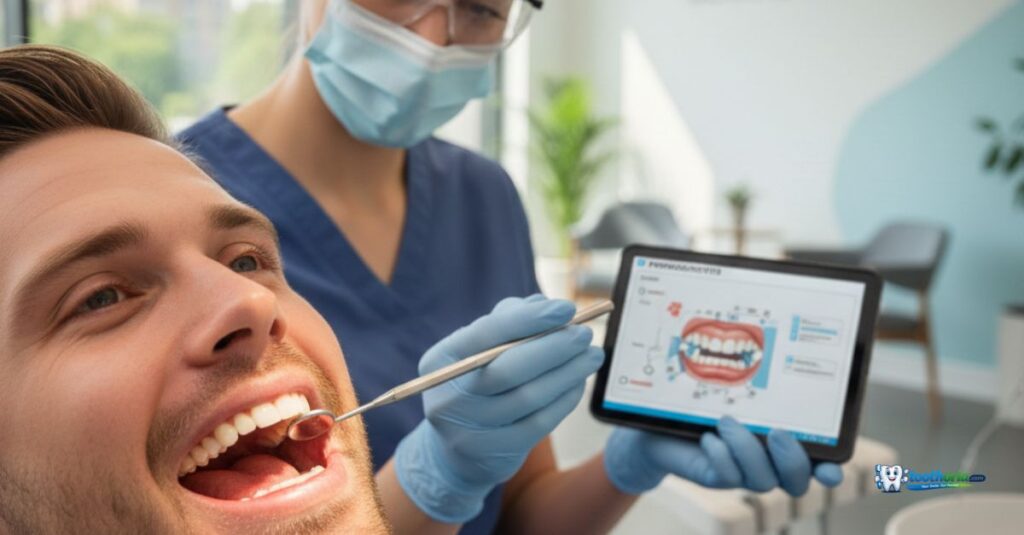
Gum disease often develops slowly and without pain. Many patients do not realize there is a problem until the condition becomes severe. Dentists recommend gum cleaning when plaque and tartar build up beneath the gums and cause inflammation.
Common signs you may need gum cleaning
- Bleeding gums while brushing or flossing
- Persistent bad breath that does not go away
- Red, swollen, or tender gums
- Receding gums or longer-looking teeth
- Loose teeth
- Pain while chewing
Without treatment, gum disease can progress from gingivitis to periodontitis, increasing the risk of tooth loss. Professional gum cleaning stops this progression and helps restore healthy gums.
Types of Gum Cleaning Procedures
Dentists usually treat gum disease using a method called scaling and root planing. This process involves two important steps.
Scaling
Scaling removes plaque and hardened tartar from the surface of the teeth and from below the gumline. Dentists may use manual instruments or ultrasonic tools to clean deep gum pockets where bacteria collect.
Root Planing
Root planing smooths the tooth roots to remove bacteria and rough spots. This helps the gums heal and reattach to the teeth, reducing future plaque buildup.
Together, these steps are commonly known as deep cleaning of the gums.
What to Expect During Gum Cleaning at the Dentist
Knowing what happens during gum cleaning can help reduce fear and anxiety.
Before the procedure
- Your dentist examines your gums and measures pocket depth
- Dental X-rays may be taken to check for bone loss
- A treatment plan is created based on the severity of gum disease
During the procedure
- Local anesthesia is usually applied to keep you comfortable
- Scaling removes plaque and tartar from teeth and gums
- Root planing smooths the tooth roots
- Treatment may be completed in one visit or divided into multiple visits
How long does it take?
Most gum cleaning appointments take 45 to 90 minutes, depending on how advanced the gum disease is.
Is Gum Cleaning Painful?

This is one of the most common concerns patients have. The good news is that gum cleaning is usually not painful, especially with modern dental techniques.
- Local anesthesia minimizes discomfort
- Most patients feel pressure or vibration rather than pain
- Mild soreness or sensitivity after the procedure is normal
Compared to the pain and complications caused by untreated gum disease, gum cleaning is a safe and manageable procedure with long-term benefits.
Gum Cleaning Aftercare and Recovery
Following proper aftercare instructions is essential for healing and long-term results.
What to expect after gum cleaning
- Mild swelling or tenderness for a few days
- Temporary tooth sensitivity
- Slight bleeding while brushing
Aftercare tips for faster healing
- Brush gently using a soft-bristle toothbrush
- Avoid hard, spicy, or sticky foods for a few days
- Rinse with warm salt water or a dentist-recommended mouthwash
- Maintain excellent oral hygiene at home
Most patients recover fully within a few days to one week and notice healthier gums soon after.
How Much Does Gum Cleaning at the Dentist Cost?

The cost of gum cleaning at the dentist varies based on several factors, including:
- Severity of gum disease
- Number of teeth or quadrants treated
- Location of the dental clinic
- Dental insurance coverage
General cost overview
- Mild cases usually cost less
- Advanced periodontal cleaning costs more
Many dental insurance plans partially or fully cover gum cleaning when it is medically necessary. Treating gum disease early is far more affordable than advanced treatments or tooth replacement later.
How Often Should You Get Gum Cleaning?
The frequency of gum cleaning depends on your individual gum health.
- Mild gum issues may require deep cleaning only once
- Periodontal disease may require maintenance cleanings every 3 to 4 months
- Healthy gums after treatment may return to routine cleanings
Your dentist will create a personalized periodontal maintenance plan to keep your gums healthy long term.
Conclusion
Gum disease does not heal on its own. Ignoring early symptoms can lead to serious dental and health problems. Gum cleaning at the dentist is a proven, effective way to treat gum disease, protect your teeth, and maintain a healthy smile.
If you notice bleeding gums, bad breath, or discomfort, do not wait. Early treatment saves time, money, and your natural teeth.
Call to Action
If you are experiencing signs of gum disease, schedule a dental check-up today. A professional evaluation can determine whether gum cleaning is right for you and help you take the first step toward healthier gums and a confident smile.
FAQs
Is it painful to get your gums cleaned?
Gum cleaning is usually not painful because dentists use local anesthesia to keep you comfortable. You may feel slight pressure during the procedure and mild soreness afterward, but this is temporary and manageable.
What is gum cleaning at the dentist?
Gum cleaning at the dentist is a professional dental treatment that removes plaque and tartar from below the gumline. It helps treat gum disease and is also called deep gum cleaning or scaling and root planing.
How much does it cost to clean your gums?
The cost of gum cleaning depends on the severity of gum disease and how many areas need treatment. Mild cases cost less, while advanced periodontal cleaning costs more. Many dental insurance plans partially or fully cover it.
Is gum cleaning worth it?
Yes, gum cleaning is worth it because it helps stop gum disease, prevents tooth loss, improves gum health, and reduces future dental costs. Early treatment protects both your smile and overall oral health.