
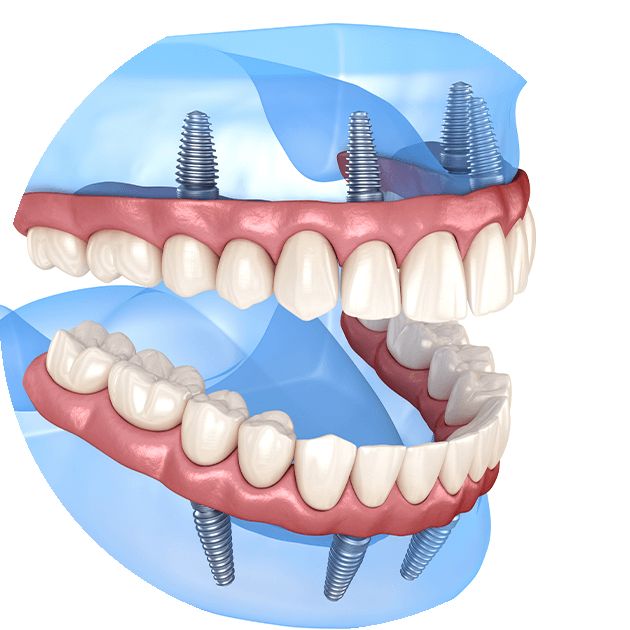
Dental implants represent the gold standard in tooth replacement, offering a permanent solution that looks, feels, and functions like natural teeth. However, the cost often catches patients off guard, with prices ranging dramatically based on factors many don’t initially consider. Understanding the complete financial picture before beginning treatment helps you make confident decisions about your oral health investment.
In 2026, dental implant technology has advanced significantly with innovations in materials, surgical techniques, and digital planning systems. These improvements have enhanced success rates and patient comfort, though they’ve also influenced pricing structures. Whether you’re replacing a single tooth or considering full-mouth restoration, knowing what drives costs empowers you to evaluate options and find solutions that fit your budget.
This comprehensive guide breaks down every aspect of dental implants cost, from individual components to full-arch solutions, insurance coverage realities to creative financing strategies. You’ll discover why costs vary so dramatically between providers, which factors you can control, and how to access quality implant treatment without compromising your financial stability.
Understanding Dental Implants Cost Components
The Three-Part Implant System Pricing
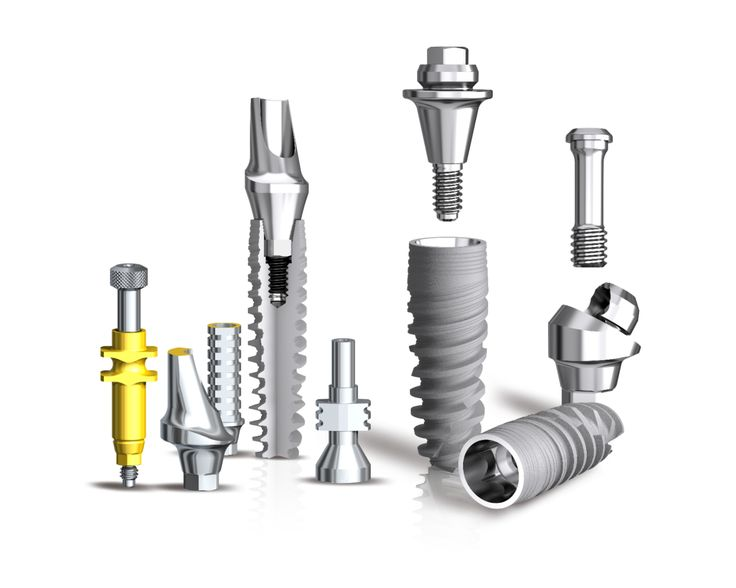
Dental implants aren’t a single piece but rather a sophisticated three-component system, each with separate costs. The implant fixture, a titanium post surgically placed into your jawbone, typically costs $1,500 to $2,500. This biocompatible metal post serves as the artificial tooth root, integrating with your bone through a process called osseointegration over 3-6 months.
The abutment, a connector piece that attaches to the implant after healing, adds $300 to $700 to your total investment. This custom-fabricated component bridges the gap between the buried implant and the visible crown, angled to ensure proper positioning and emergence profile for optimal aesthetics.
The final crown, the visible tooth portion, costs $1,000 to $3,000 depending on material choice. Porcelain-fused-to-metal crowns occupy the mid-range pricing, while all-ceramic or zirconia crowns command premium prices for superior aesthetics and strength. When combined, a complete single tooth implant typically totals $3,000 to $6,000, though this excludes potential additional procedures.
Surgical Placement Expenses
The surgical placement procedure itself involves costs beyond the implant hardware. Surgeon fees typically range from $1,500 to $3,500 per implant, reflecting the expertise, precision, and time required for successful placement. Board-certified oral surgeons or periodontists generally charge more than general dentists, though their specialized training often translates to higher success rates and fewer complications.
Anesthesia options influence total costs significantly. Local anesthesia comes included in most surgical fees, while IV sedation adds $500 to $1,000 for enhanced comfort during the procedure. General anesthesia, required for complex cases or anxious patients, can increase costs by $1,000 to $2,500. These sedation options make treatment more comfortable but represent optional expenses that budget-conscious patients might forego.
Advanced Imaging and Planning Technology
Advanced imaging and planning technologies contribute to precision but add expenses. 3D cone beam CT scans, essential for accurate implant positioning, cost $300 to $600. Computer-guided surgical planning using specialized software adds another $300 to $1,000 but significantly improves placement accuracy, potentially preventing complications that could cost far more to address later.
Additional Procedures That Affect Dental Implants Cost
Bone Grafting Requirements
Many patients need bone grafting before implant placement, particularly if teeth were lost years ago and the jawbone has deteriorated. Minor grafting procedures cost $300 to $800, while major grafts requiring donor bone or synthetic materials range from $2,000 to $3,500. Sinus lift procedures, necessary for upper posterior implants when the sinus cavity sits too close to the jawbone, add $1,500 to $3,000 per side.
Bone grafting extends treatment timelines by 4-6 months to allow proper healing before implant placement, but it’s often non-negotiable for long-term success. Attempting to place implants in insufficient bone leads to failure rates exceeding 40%, making the additional investment in grafting worthwhile for ensuring positive outcomes.
Tooth Extraction Expenses
If your damaged tooth requires removal before implant placement, extraction fees add $150 to $650 depending on complexity. Simple extractions of fully erupted teeth cost less, while surgical extractions of broken or impacted teeth command higher fees. Some practices offer “immediate placement,” where the implant goes in during the same appointment as extraction, potentially saving money on separate surgical visits.
Soft Tissue Grafting Procedures
Gum grafting to create adequate keratinized tissue around implants costs $600 to $1,500 per area. This procedure ensures healthy, stable gum tissue that protects your implant long-term and creates natural-looking aesthetics. While not always necessary, it’s commonly recommended for front teeth, where gum appearance significantly impacts your smile.
How Much Do Dental Implants Cost for Different Scenarios
Single Tooth Replacement Pricing
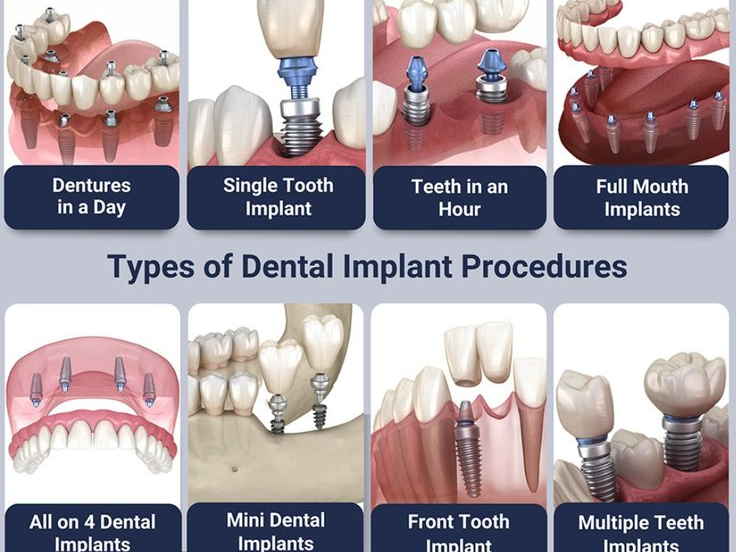
For one missing tooth, expect total costs of $3,000 to $6,500, including all components, surgery, and restoration. This represents the most straightforward implant scenario, typically requiring 2-3 appointments over 4-6 months. Geographic location dramatically affects pricing, the same procedure costs $3,200 in Louisville, Kentucky, versus $5,800 in Manhattan.
Material choices influence single tooth costs considerably. Standard titanium implants with porcelain-fused-to-metal crowns occupy the lower price range, while premium options like zirconia implants with layered all-ceramic crowns reach the upper end. The functional difference remains minimal, but aesthetic benefits of premium materials matter more for front teeth visible when smiling.
Multiple Tooth Replacement Investment
Replacing 2-3 adjacent missing teeth doesn’t require individual implants for each tooth. An implant-supported bridge uses two implants supporting a 3-4 unit bridge, costing $6,000 to $15,000 total. This approach provides excellent stability while reducing the implant quantity needed, creating cost savings compared to individual implants for each missing tooth.
The cost per tooth decreases with this approach, three teeth replaced with two implants and a bridge might cost $10,000 total ($3,333 per tooth) versus $15,000 for three separate implants ($5,000 each). However, you sacrifice the independence of individual implants, meaning if one implant fails, it affects the entire bridge structure.
Full Mouth Dental Implants Cost
Full-mouth dental implants using the All-on-4 or All-on-6 technique cost $15,000 to $30,000 per arch. These innovative solutions replace all upper or lower teeth with just 4-6 implants supporting a complete fixed denture. Both arches together range from $30,000 to $60,000, representing a substantial investment but a comprehensive smile restoration.
Traditional implant-supported dentures using 6-8 implants per arch with removable overdentures cost $20,000 to $45,000 per arch. While more expensive than All-on-4, they offer easier maintenance and repair, as the denture portion can be removed for cleaning and servicing without affecting the implants.
Does Insurance Cover Dental Implant Costs?
Current Insurance Coverage Landscape
Dental insurance coverage for implants remains limited compared to other restorative procedures. Most policies classify implants as cosmetic or elective, providing minimal or no coverage. However, this landscape is gradually improving as implants become recognized as medically necessary tooth replacements rather than purely aesthetic treatments.
When coverage exists, insurance typically pays 50% of costs up to annual maximum benefits of $1,000-$2,000. This means even with insurance, you’ll pay $4,000-$5,000 out-of-pocket for a $6,000 single implant. Some progressive plans now offer implant-specific riders or higher annual maximums ($3,000-$5,000) that provide more meaningful assistance.
Maximizing Your Insurance Benefits
Strategic treatment planning helps maximize insurance benefits. If your plan covers the crown portion but not the implant or surgery, that’s still $1,000-$3,000 in benefits. Some policies cover bone grafting or extractions even when excluding the implants themselves, so careful claims submission ensures you receive every eligible dollar.
Splitting treatment across calendar years allows utilizing two years of benefits. Place the implant in December using one year’s coverage, then add the crown in January using the next year’s benefits. This approach potentially doubles insurance contributions from $1,500 to $3,000, significantly reducing out-of-pocket expenses.
Alternative Health Coverage Options
Medical insurance rarely covers dental implants, but exceptions exist for tooth loss from accidents, cancer treatment, or congenital conditions. HSA (Health Savings Account) and FSA (Flexible Spending Account) funds can pay for implants with pre-tax dollars, effectively reducing costs by 20-35% depending on your tax bracket.
Affordable Financing for Dental Implants Cost
In-Office Dental Payment Plans
Most implant practices offer in-house financing, dividing costs into monthly payments over 12-24 months. Many provide interest-free periods of 6-12 months for qualified patients, making a $5,000 implant cost approximately $420 monthly over 12 months with no interest charges. After promotional periods, rates typically range from 5-15% APR.
These arrangements often require down payments of 20-30% before treatment begins, with remaining balances spread across the agreed timeframe. Building relationships with dental providers sometimes yields flexibility on down payment requirements or extended payment terms for patients with financial constraints.
Healthcare Credit Card Options
CareCredit, the most widely accepted healthcare financing option, offers promotional periods of 6-24 months with deferred interest for dental implants. Approval amounts often reach $15,000-$25,000, adequate for comprehensive treatment. However, understand that unpaid balances after promotional periods incur retroactive interest at 26.99% APR, significantly increasing total costs if not paid within the promotional window.
LendingClub Patient Solutions and Alphaeon Credit provide similar healthcare financing with competitive terms. Shopping between these options helps identify the best rates and promotional periods for your creditworthiness and treatment timeline.
Personal Loan Solutions
Personal loans from banks, credit unions, or online lenders offer fixed-rate financing with predictable monthly payments. Rates range from 6% to 36% based on credit scores, with loan amounts from $1,000 to $50,000 and terms of 2 to 7 years. Credit unions often provide the most favorable rates for members, sometimes 3-5% below commercial bank offerings.
Medical-specific loans through companies like United Medical Credit or Prosper Healthcare Lending specialize in healthcare financing, potentially offering better terms than general personal loans. Pre-qualification processes allow rate shopping without hard credit inquiries that temporarily lower credit scores.
Strategies to Reduce Dental Implants Cost
Dental School Treatment Programs
Accredited dental schools offer implant treatment at 30-50% below private practice rates. Student dentists work under expert faculty supervision, providing quality care with extended treatment timelines. A $5,000 implant at a private practice might cost $2,500-$3,500 at a university clinic, representing substantial savings for patients with schedule flexibility.
Treatment takes longer due to educational components, typically 30-50% more appointments than private practice. However, quality remains high with multiple faculty checkpoints throughout treatment, and students are highly motivated to deliver excellent results under professional oversight.
International Dental Tourism
International dental tourism offers implants at 50-70% below U.S. prices in countries like Mexico, Costa Rica, Thailand, and Hungary. A $5,000 U.S. implant might cost $1,500-$2,500 abroad at modern facilities with English-speaking dentists. Popular destinations like Los Algodones, Mexico, or San José, Costa Rica cater specifically to North American dental patients.
However, dental tourism involves important considerations beyond cost savings. Travel expenses, time away from work, follow-up care logistics, and limited legal recourse if complications arise all factor into decision-making. Research dentist credentials, facility accreditations, implant brand quality, and warranty terms thoroughly before committing to international treatment.
Seasonal Promotions and Package Pricing
Dental practices often offer seasonal promotions or discounts for paying in full at treatment time. End-of-year specials, when dentists try to meet annual production goals, or slow summer periods, when patient volume decreases, sometimes yield 10-20% discounts. Asking about available promotions costs nothing and occasionally produces significant savings.
Bundling multiple implants together often reduces per-unit costs. Replacing three teeth with three separate implants might cost $18,000 individually, but negotiating a package price could reduce it to $14,000-$15,000. Dentists appreciate the business certainty and often pass savings to patients willing to commit to comprehensive treatment.
Long-Term Value of Dental Implants Cost
Durability and Success Rates
Dental implants boast 95-98% success rates with proper placement and care, representing one of dentistry’s most predictable procedures. The titanium implant itself often lasts 20-30+ years, frequently outlasting the crown, which typically requires replacement every 10-15 years at $1,000-$3,000.
When calculating true cost over time, implants provide exceptional value. A $5,000 implant lasting 25 years costs $200 annually, less than many ongoing dental treatments. Compare this to a dental bridge costing $3,500 with a 10-12 year average lifespan ($290-$350 annually) that also compromises adjacent healthy teeth, and implants’ superior value becomes clear.
Maintenance and Ongoing Expenses
Implant maintenance resembles natural tooth care, regular brushing, flossing, and professional cleanings. Annual dental visits costing $200-$400 maintain implant health, with no special maintenance beyond standard hygiene. This contrasts with removable dentures requiring relines, adhesives, and frequent replacements.
Potential complications like peri-implantitis (gum disease around implants) occur in 5-10% of cases, requiring treatment costing $500-$3,000 depending on severity. Preventing complications through meticulous oral hygiene and regular professional care proves far more cost-effective than treating them after they develop.
Comparing Dental Implants Cost to Alternatives
Dental Bridge Pricing Comparison
Traditional dental bridges cost $3,000-$12,000 for three-unit structures, less than implants initially but with significant trade-offs. Bridges require permanently altering adjacent healthy teeth, which 30% of the time develop problems within 10 years, requiring additional treatment. Implants preserve neighboring teeth while providing superior longevity.
Removable Denture Cost Comparison
Removable partial dentures cost $300-$3,000, representing the most affordable tooth replacement but sacrificing 60-75% of chewing capacity. They require nightly removal, regular adjustments, and replacement every 5-8 years. Most patients find them uncomfortable and socially awkward compared to the natural feel and permanence of implants.
Overall Value Assessment
The investment reflects not just tooth replacement but also jawbone preservation, adjacent tooth protection, superior function, and psychological benefits of permanent, natural-feeling teeth. While initial investment exceeds alternatives, the comprehensive benefits and longevity often justify the premium for patients who can afford them.
Making Your Investment Decision
Understanding pricing in complete context, including all components, potential additional procedures, insurance realities, and financing options, empowers confident treatment decisions. The investment extends beyond dollars to encompass quality of life improvements, including restored chewing function, maintained facial structure, and confidence in your smile.
The wide price range of $3,000 to $6,000+ per tooth reflects legitimate variables in material quality, provider expertise, geographic location, and individual clinical needs. Strategic approaches, including insurance optimization, healthcare financing, dental school treatment, or international care, make implants accessible across various financial situations without compromising outcomes.
Ultimately, dental implants represent significant healthcare investments with decades-long benefits when properly placed and maintained. Partnering with qualified implant specialists who provide transparent pricing, explain all options thoroughly, and work collaboratively on financial solutions ensures you receive optimal care aligned with your budget and expectations for permanent tooth replacement.