
Losing a tooth creates more than just a gap in your smile; it triggers a cascade of dental health concerns that affect your comfort, confidence, and ability to eat properly. When considering replacement options, understanding the dental bridge cost is essential for making a smart decision that protects both your oral health and your budget. Knowing the true financial investment helps you choose a long-term solution that restores function, appearance, and peace of mind.
Dental bridges have served as a reliable tooth replacement solution for decades, offering a fixed restoration that looks natural and functions like your original teeth. In 2026, bridge technology has advanced significantly with new materials like zirconia and computer-aided design systems, but these improvements come with varying price points that can surprise patients.
This comprehensive guide breaks down every aspect of dental bridge cost, from the factors that influence cost to insurance coverage realities and practical strategies for making treatment affordable. Whether you’re comparing a traditional bridge to implants, trying to understand what your insurance actually covers, or exploring financing options, you’ll find research-backed answers that help you move forward with confidence.
Understanding What Influences Dental Bridge Cost
Material Selection and Quality
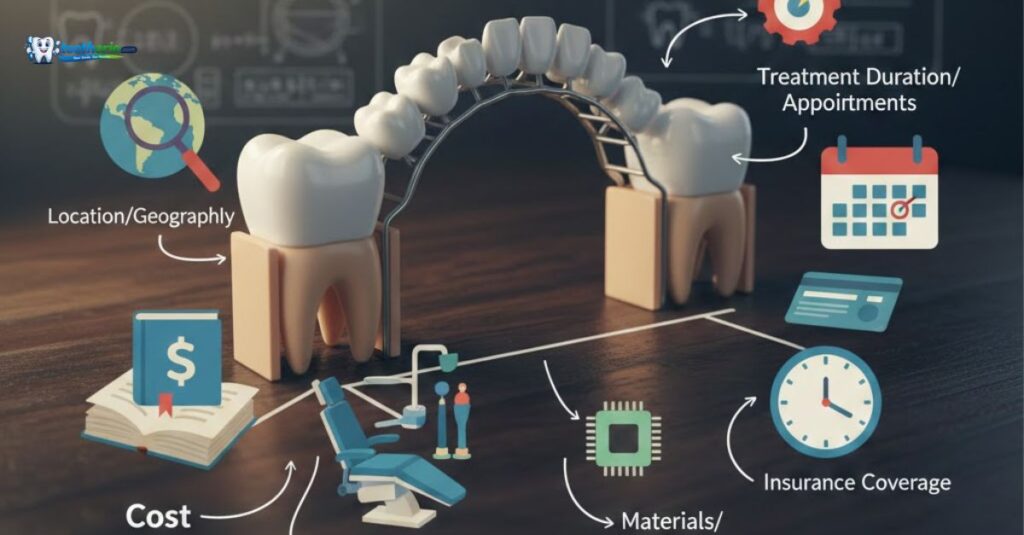
The materials used in your bridge construction create the foundation for both aesthetics and longevity. Porcelain-fused-to-metal bridges typically range from $2,000 to $5,000 per unit, offering a balance between strength and appearance. All-ceramic or all-porcelain options command higher prices of $2,500 to $6,000 per unit because they provide superior translucency that mimics natural teeth more convincingly.
Zirconia has emerged as a premium material in recent years, combining exceptional strength with excellent aesthetics. A zirconia tooth implant or bridge typically falls between $3,000 and $7,000 per unit, but many patients find the investment worthwhile for posterior teeth that require maximum durability. Gold and metal alloys, while less popular for visible front teeth, remain excellent choices for molars where strength matters more than appearance, generally priced from $2,500 to $5,500 per unit.
Advanced CAD/CAM technology now allows some dental offices to fabricate bridges in a single day, though this convenience may add 10-20% to the total cost compared to traditional laboratory work. The material you choose affects not just the initial price but also how long your restoration lasts and how natural it looks in your smile.
How Many Teeth Need Replacement
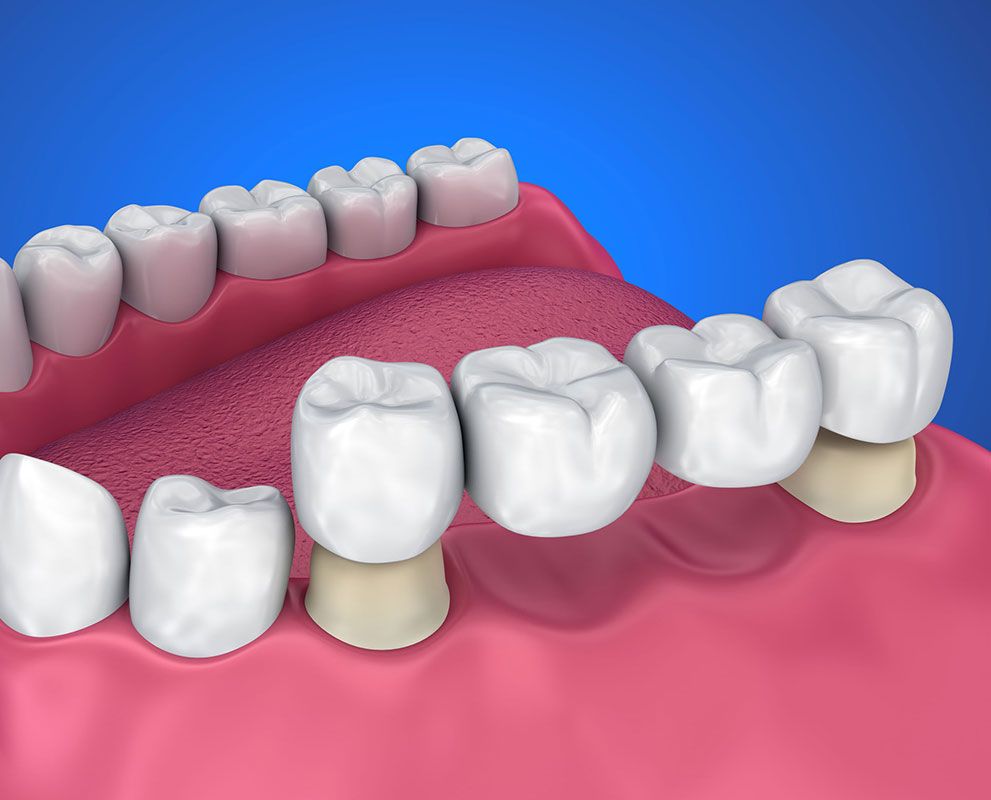
The most common configuration, a three-unit bridge replacing one missing tooth, serves as the baseline for pricing discussions. This involves two crowns on the adjacent teeth (called abutments) and one artificial tooth (the pontic) spanning the gap. The average cost of 3-unit dental bridge in 2025 ranges from $3,000 to $15,000 depending on materials and geographic location.
When you need to replace two adjacent teeth, a four-unit bridge becomes necessary, typically costing $4,000 to $20,000. Longer spans that replace multiple teeth increase proportionally in price, not just because of additional materials but also due to the engineering complexity required to ensure stability. Each additional unit adds both material costs and laboratory fabrication time.
In cases where missing teeth are spread across different areas of your mouth, dentists may recommend separate bridge units rather than one continuous span. This approach often provides better long-term results but requires careful financial planning since each bridge represents a separate treatment cost.
Geographic Location Impact
Where you live dramatically affects what you’ll pay for dental treatment. Coastal metropolitan areas like New York, Los Angeles, and San Francisco typically see bridge costs ranging from $4,500 to $16,000 for a three-unit structure. These higher prices reflect increased overhead costs, higher salaries for dental staff, and elevated real estate expenses in urban areas.
Midwest and Southern states generally offer more competitive pricing, with comparable bridges costing between $2,500 and $10,000. This doesn’t necessarily indicate lower quality; regional cost-of-living differences simply allow practices to operate with lower overhead expenses that translate to more affordable dental bridge cost.
International dental tourism has grown substantially, with countries like Mexico, Costa Rica, and Thailand offering dental bridge work at 40-70% below U.S. prices while maintaining modern facilities and qualified dentists. However, patients considering this option must factor in travel expenses, time away from work, and the logistics of follow-up care when calculating true savings.
Dental Insurance Coverage Variables
Most dental insurance policies classify bridges as major restorative procedures, which means they typically cover 40-50% of costs after you meet your deductible. However, annual maximum benefits usually cap at $1,000 to $2,000, creating a significant gap between coverage and actual treatment costs for more expensive bridges.
Does dental insurance cover bridges? Yes, but with important limitations. Pre-authorization requirements mean you’ll wait 2-4 weeks for approval before starting treatment. Many policies also include “missing tooth clauses” that exclude coverage for replacing teeth that were lost before your policy’s effective date, a critical detail that catches many patients by surprise.
PPO plans generally provide broader coverage and higher annual maximums compared to HMO alternatives, though they come with higher monthly premiums. Understanding your specific policy structure, including waiting periods (often 6-12 months for major procedures), helps you plan treatment timing strategically to maximize benefits.
Complexity of Preparatory Work
The condition of your remaining teeth and jawbone significantly affects total treatment costs. Many patients require additional procedures before bridge placement can begin. Tooth extractions, when necessary, add $150 to $400 per tooth. If the abutment teeth have decay or previous damage, root canal therapy might be needed at $800 to $1,500 per tooth.
Patients with gum disease must undergo periodontal treatment before bridge work, potentially adding $500 to $3,000 to the overall investment. Bone grafting procedures, sometimes necessary when bone loss has occurred, can increase costs by $300 to $3,000 depending on the extent of grafting required.
These preparatory procedures aren’t optional; they’re essential for ensuring your bridge succeeds long-term. Attempting to place a bridge without addressing underlying issues almost guarantees premature failure and the need for costly replacements or repairs.
Dental Bridge Cost by Type
Traditional Fixed Bridges
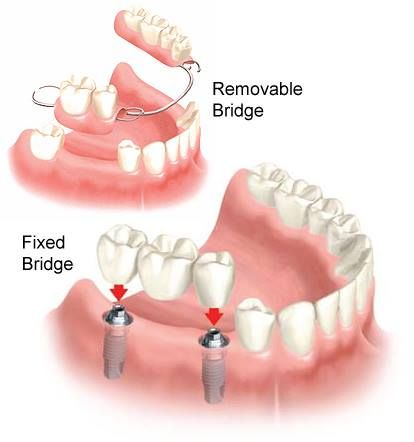
Traditional fixed bridges remain the gold standard for tooth replacement, with decades of successful outcomes. For a three-unit bridge, expect to invest $3,500 to $12,000 in 2025, depending on your material choice and location. This includes initial consultations, tooth preparation, temporary bridge fabrication, laboratory work, final placement, and necessary adjustments.
The supporting crowns on adjacent teeth typically cost $1,200 to $4,000 each, while the pontic (replacement tooth) adds $800 to $3,000. These prices reflect sophisticated laboratory work, multiple dental appointments, and the expertise required to ensure proper fit and bite alignment.
Metal-ceramic traditional bridges occupy the mid-range pricing tier, while all-ceramic options command premium prices for their superior aesthetics. With proper care, including regular dental visits and meticulous home hygiene, traditional bridges typically last 10 to 15 years, with many exceeding 20 years of service.
Maryland Bonded Bridges
Maryland bonded bridges offer a more conservative alternative that preserves more of your natural tooth structure. These resin-bonded bridges utilize metal or porcelain wings attached to the back surfaces of adjacent teeth, requiring minimal tooth preparation compared to traditional bridges.
Typically costing $1,500 to $4,500 for a front tooth replacement, Maryland bridges represent savings of 30-40% compared to traditional options. This reduced invasiveness appeals to many patients, particularly younger individuals who want to preserve maximum tooth structure for potential future treatments.
However, these bridges work best for front teeth rather than molars due to strength limitations. Their average lifespan of 5-10 years falls short of traditional bridges, and occasional debonding can occur, requiring simple recementation. Insurance coverage generally mirrors traditional bridge benefits, making them an attractive option when clinical conditions are appropriate.
Cantilever Bridge Options
Cantilever bridges serve specific situations where adjacent teeth exist on only one side of the gap. These two-unit structures typically cost $2,500 to $10,000, with pricing reflecting the engineering considerations needed to distribute forces appropriately since support comes from one side only.
These designs work best for front teeth where bite forces remain relatively low. For molars and premolars that endure substantial chewing pressure, cantilever bridges present higher failure risks. Dentists evaluate your specific bite pattern, the health of potential abutment teeth, and the location of the missing tooth before recommending this option.
The single-sided support structure requires premium materials and potentially more extensive tooth preparation to ensure stability, factors that influence final pricing. When preserving a healthy adjacent tooth outweighs the benefits of involving two supporting teeth, cantilever bridges provide a viable solution.
Implant-Supported Bridges
Implant-supported bridges represent premium tooth replacement solutions that combine the stability of dental implants with bridge aesthetics. Total costs typically range from $6,000 to $30,000, depending on how many implants are needed and the span length of the bridge.
The most common configuration uses two implants to support a three-unit bridge, with each implant adding $3,000 to $6,000 to the base bridge expense. Treatment includes surgical implant placement, a healing period of 3-6 months for osseointegration, abutment attachment, and final bridge fabrication and seating.
While initial investments significantly exceed traditional bridges, implant-supported options offer compelling advantages: they preserve jawbone through natural stimulation, eliminate stress on adjacent natural teeth, and provide 20+ year longevity with proper care. Insurance coverage typically remains limited for implant components, though prosthetic portions may receive partial benefits.
Removable Partial Dentures
Removable bridges for one-tooth solutions, technically classified as partial dentures, offer the most budget-friendly tooth replacement at $300 to $3,000. These appliances clip onto existing teeth or rest on gum tissue, providing aesthetic restoration without permanent alteration of adjacent teeth.
Flexible partial dentures using thermoplastic materials represent mid-range removable options at $700 to $2,000, offering improved comfort over traditional acrylic designs. Cast metal partial dentures, the most durable removable choice, range from $1,200 to $3,000 and provide superior strength.
While dramatically lower in cost compared to fixed options, removable bridges sacrifice stability, comfort, and convenience. They require nightly removal and regular cleaning, and many patients find them less satisfactory for eating and speaking. However, they serve as viable solutions for patients with budget constraints or those needing temporary replacement while saving for permanent options.
Maximizing Your Dental Insurance Benefits

Coverage Structures Explained
Understanding how dental insurance categorizes treatments clarifies realistic expectations. Insurance companies divide procedures into three tiers: preventive care (100% coverage), basic procedures (70-80% coverage), and major restorative work (40-50% coverage). Bridges consistently fall into the major category alongside crowns and implants.
This classification means that even with insurance, you’ll be responsible for 50-60% of total costs plus any amounts exceeding your annual maximum. For a $9,000 bridge with 50% coverage and a $1,500 annual maximum, insurance pays $1,500 and you pay $7,500, not the $4,500 you might have expected from the 50% coverage figure.
PPO plans generally offer more generous benefits than HMO plans, with higher annual maximums ($1,500-$2,000 versus $1,000-$1,500) and broader dentist networks. However, PPOs come with higher monthly premiums, so evaluating the cost-benefit based on your specific dental needs proves essential.
Pre-Authorization Best Practices
Most insurance policies require pre-authorization before major restorative work begins. Your dentist submits a treatment plan with X-rays and detailed cost estimates to your insurance company for review. This process takes 2-4 weeks but provides written confirmation of exactly what your insurance will cover and what you’ll owe.
Proceeding without pre-authorization risks claim denials or reduced reimbursements, particularly if insurance deems the treatment cosmetic rather than medically necessary. The pre-determination process eliminates surprise bills and allows accurate budgeting before committing to treatment.
Working closely with your dental office’s insurance coordinator streamlines this process. They can often predict coverage based on experience with your specific insurance carrier and help identify potential issues before submission.
Strategic Treatment Timing
Annual maximum benefits reset each calendar year, creating opportunities for strategic treatment planning. If you’re approaching your annual maximum in October or November, consider delaying non-urgent bridge work until January when benefits renew. This approach provides access to fresh benefits rather than exhausting current-year coverage.
Conversely, if you haven’t utilized annual benefits and the year is ending, completing treatment before December 31st prevents wasting available coverage. Some patients strategically split treatment phases across two calendar years, completing preparatory work and temporaries in one year, then final bridge placement in the next, effectively accessing two annual maximums.
How much does a dental bridge cost with insurance using this strategy? You could potentially double your insurance contribution from $1,500 to $3,000, significantly reducing out-of-pocket expenses through nothing more than careful timing.
Affordable Financing Solutions
In-Office Payment Plans
Many dental practices offer internal financing that divides total treatment costs into manageable monthly installments. These arrangements typically span 6-24 months and often feature zero or low interest rates for patients with good credit. Dental bridge financing through in-office plans provides flexibility without involving third-party lenders.
Practices may require down payments of 25-50% before beginning treatment, with remaining balances divided across agreed payment periods. Interest-free periods commonly last 6-12 months, after which competitive rates of 5-15% may apply to outstanding balances. This approach transforms overwhelming lump-sum expenses into affordable monthly commitments.
Healthcare Credit Cards
Specialized healthcare credit cards like CareCredit, LendingClub Patient Solutions, and Alphaeon Credit focus exclusively on medical and dental financing. They offer promotional periods of 6-24 months with zero interest when minimum monthly payments are maintained, making them attractive options for patients who can pay off balances within promotional windows.
These cards provide immediate approval decisions, credit limits often exceeding $10,000, and acceptance at thousands of dental practices nationwide. However, understand that unpaid balances after promotional periods incur retroactive interest at rates of 17-27%, meaning all the interest you would have paid gets added if you don’t pay in full by the deadline.
Application involves credit checks that temporarily impact scores, with approval depending on income, existing debt, and payment history. The cards provide ongoing credit lines for future dental needs, offering financial flexibility beyond initial bridge treatment.
Health Savings Accounts (HSAs)
Health Savings Accounts offer tax-advantaged savings for qualified medical and dental expenses, effectively reducing costs by 20-35% through pre-tax contributions. Available to individuals with high-deductible health plans, HSAs allow annual contributions up to $4,150 (individual) or $8,300 (family) in 2025.
Unlike Flexible Spending Accounts (FSAs), where unused funds typically forfeit annually, HSA balances roll over indefinitely and can even earn investment returns. Using HSA funds for dental work eliminates federal income tax, Social Security tax, and Medicare tax on contributed amounts, saving the equivalent of your marginal tax rate.
Strategic contribution planning based on anticipated dental expenses optimizes these tax benefits while ensuring adequate funds for treatment. For a patient in the 24% tax bracket, a $6,000 bridge effectively costs $4,560 when paid with HSA funds.
Personal Medical Loans
Personal loans from banks, credit unions, and online lenders offer fixed-rate financing for dental expenses, with loan amounts typically ranging from $1,000 to $50,000 and repayment terms spanning 2-7 years. These loans feature consistent monthly payments and defined payoff schedules without surprise balloon payments.
Interest rates of 6-36% based on creditworthiness mean rate shopping proves essential. Medical-specific loans through companies like United Medical Credit may offer more favorable terms for healthcare expenses. Pre-qualification processes allow rate comparison without hard credit inquiries, helping identify optimal financing before committing.
Shorter loan terms mean higher monthly payments but lower total interest paid, while longer terms reduce monthly obligations but increase overall costs. Calculate the total cost, including interest, to make informed decisions about which financing option truly provides the best value.
Cost-Saving Strategies That Work
Dental School Clinics
Accredited dental schools offer treatments at 30-60% below private practice rates while maintaining quality through rigorous faculty supervision. Student dentists provide comprehensive care at institutions like NYU College of Dentistry, UCLA School of Dentistry, or your local dental school, with three-unit bridges potentially costing $1,500 to $5,000 instead of $3,000 to $12,000.
Treatment timelines typically extend 25-50% longer than private practices due to the educational component, requiring patience and schedule flexibility in exchange for substantial savings. Quality remains high as procedures undergo faculty review at multiple stages, with students motivated to deliver excellent results under professional scrutiny.
Community Health Centers
Federally Qualified Health Centers (FQHCs) provide sliding fee schedules based on income and family size, potentially reducing expenses to 30-40% of standard rates for qualifying patients. These safety-net providers serve uninsured and underinsured populations with comprehensive services, including major restorative work.
Eligibility determination considers household income relative to federal poverty guidelines, with fee adjustments ensuring accessible care regardless of financial circumstances. Community health centers maintain quality through licensed dentist staffing and adherence to clinical standards while offering mission-driven pricing rather than profit maximization.
Cash Payment Discounts
Many dental practices offer cash discounts of 5-15% for full payment at the time of service, providing immediate savings without credit checks or interest charges. Negotiating payment terms proves particularly effective at private practices where dentists have pricing flexibility unavailable at large corporate dental chains.
Discussing financial constraints openly often yields creative solutions, including extended payment plans, procedure staging across calendar years to maximize insurance benefits, or material substitutions that reduce costs while maintaining quality. Building long-term relationships with dental providers creates familiarity that facilitates accommodation around cost concerns.
Dental Tourism Considerations
International treatment offers costs 40-70% below U.S. prices in destinations like Mexico, Costa Rica, Hungary, and Thailand. A three-unit bridge costing $8,000-$12,000 domestically might cost $2,000-$4,000 abroad, creating savings that offset travel expenses while potentially including vacation experiences.
However, dental tourism requires careful research into dentist credentials, facility accreditations, material sources, and warranty policies. Bridge work necessitates multiple visits, initial consultation and preparation, followed by final placement 2-3 weeks later, meaning travel and accommodation costs factor into total savings calculations. Patients must also consider follow-up care logistics and limited legal recourse if problems arise.
Comparing Bridges to Other Replacement Options
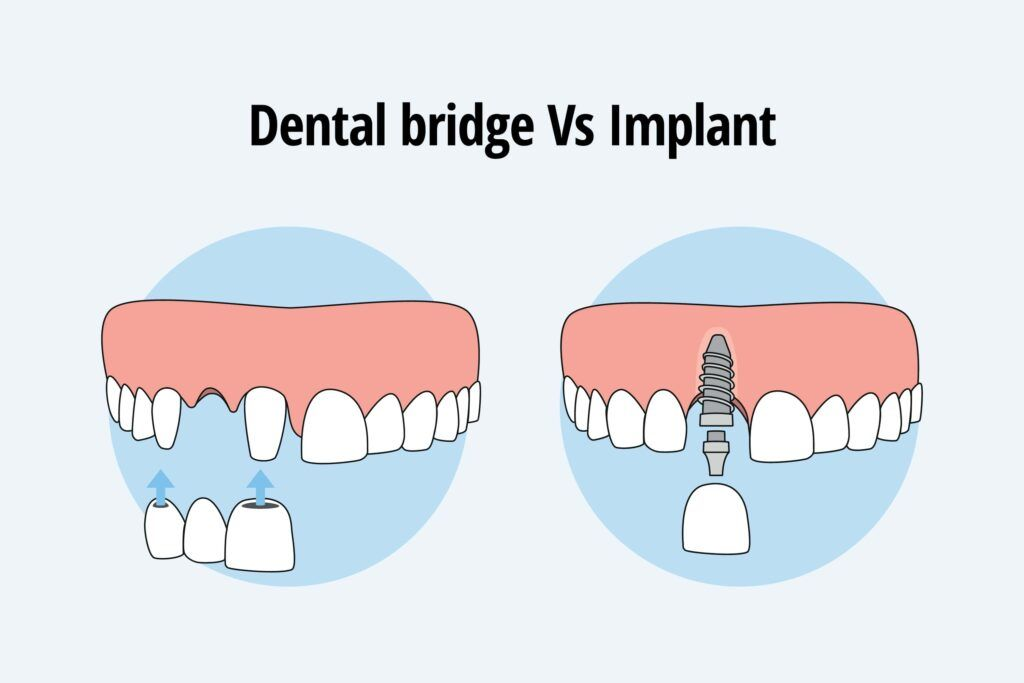
Dental Implants Analysis
Single tooth dental implants cost $3,000 to $6,000, making them comparable or slightly more expensive than traditional bridges initially. However, implants offer 20-30 year longevity versus 10-15 years for bridges, potentially providing better long-term value. They preserve adjacent teeth by eliminating preparation requirements and prevent bone loss through osseointegration.
When replacing multiple adjacent teeth, implant-supported bridges combining two implants with a multi-unit prosthesis may provide superior value despite a higher initial investment. Insurance coverage differences affect comparisons, as bridges typically receive better coverage than implants, influencing net out-of-pocket expenses.
Partial Dentures Trade-offs
Partial dentures cost $300 to $3,000, representing 70-90% savings compared to fixed bridges but compromising comfort, stability, and convenience. These removable appliances require nightly removal and regular maintenance, with 5-8 year average lifespans before replacement.
Over equivalent time periods, total investments may become comparable when accounting for partial denture replacements, relines, and adhesive products. The psychological and social impacts of removable versus fixed solutions merit consideration alongside financial factors, as confidence and quality of life benefits from permanent restorations may justify higher investments.
Long-Term Cost of Inaction
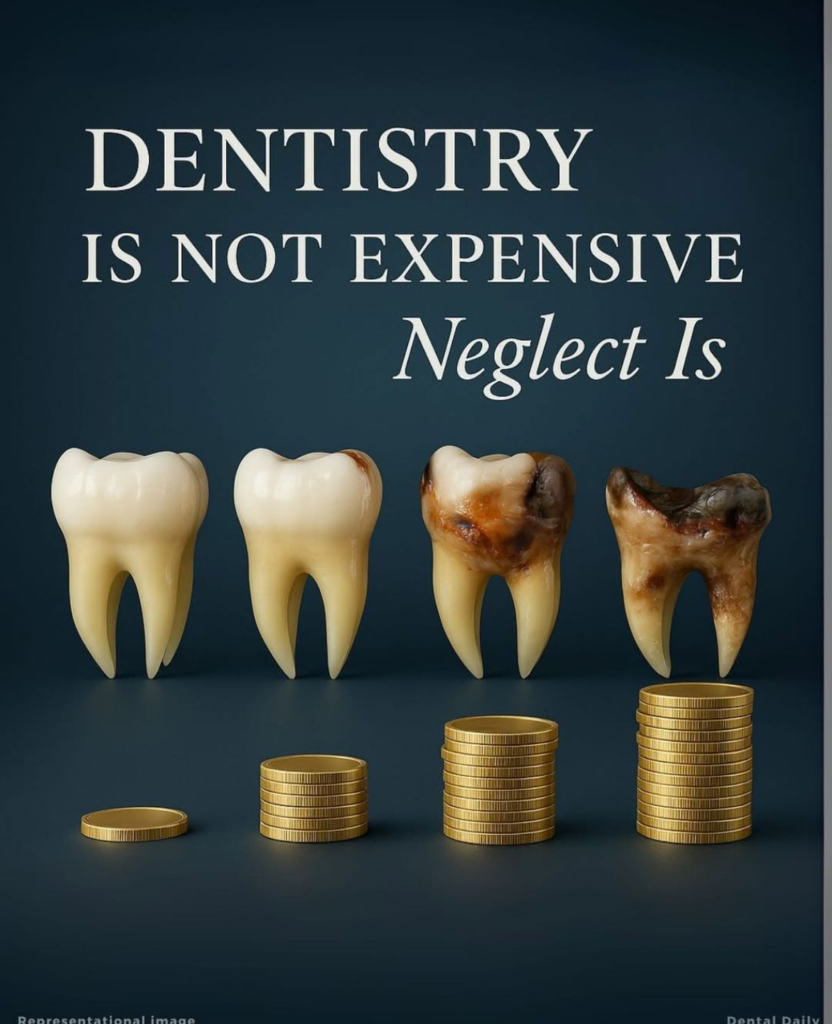
Postponing tooth replacement to avoid costs incurs hidden expenses through dental drift, bone loss, bite collapse, and adjacent tooth failure. Missing teeth allow neighboring teeth to shift and tilt, creating orthodontic problems requiring correction before bridge placement. Jawbone resorption in gaps compromises future treatment options, potentially necessitating bone grafting that adds $500 to $3,000.
Treatment after years of delay typically exceeds immediate replacement costs due to compounded problems requiring additional procedures and more complex prosthetic designs. From both financial and health perspectives, addressing tooth loss promptly prevents cascade failures and preserves oral architecture that makes treatment more straightforward and predictable.
Ensuring Long-Term Value
Expected Service Life
Traditional fixed bridges demonstrate 10-15 year average lifespans with proper care, though many exceed 20 years with meticulous maintenance through regular dental visits and home hygiene. Material selection significantly impacts durability; gold and high-noble metal bridges potentially outlast porcelain options, while modern zirconia bridges offer exceptional longevity.
When annualized, a $6,000 bridge lasting 12 years costs $500 annually, representing reasonable value comparable to other healthcare investments. Understanding that quality materials and expert fabrication contribute to extended service life makes initial investment decisions clearer.
Maintenance Requirements
Maintaining bridges requires regular dental examinations and professional cleanings costing $200 to $400 annually, with some practices recommending three or four visits yearly for bridge monitoring. Professional fluoride treatments and specialized cleaning around abutment teeth may add $50 to $150 per visit.
Home care products, including specialized floss threaders, water flossers ($50-$100), and antimicrobial rinses ($10-$20 monthly), represent minor but cumulative expenses protecting your investment. Bridge failure prevention through meticulous hygiene proves far more cost-effective than premature replacement.
Preventing Complications
Abutment teeth supporting bridges face increased stress and decay risks, potentially requiring root canal therapy ($800-$1,500 per tooth) or additional crowns if complications arise. Research indicates 5-15% of abutment teeth develop problems within 10 years, representing potential additional costs.
When abutment teeth fail, entire bridges typically require replacement, not just problematic support teeth, potentially doubling or tripling initial investments. This reality underscores the importance of selecting healthy, structurally sound abutment teeth during planning and maintaining them meticulously throughout service life.
Gum disease represents the primary threat to bridge longevity. Periodontal disease treatment ranges from $500 to $2,000 for scaling and root planing to $3,000 to $3,000-$10,000 for surgical interventions when bone loss becomes advanced. Preventing periodontal disease through meticulous daily flossing under pontics using specialized threaders preserves both the restoration and supporting bone and tissue.
Final Thoughts
Understanding dental bridge cost empowers you to make confident decisions that balance financial realities with oral health priorities. The investment extends beyond simple dollars to encompass functional restoration, aesthetic confidence, and health preservation that prevents more expensive future complications.
Modern bridges reflect sophisticated materials, advanced fabrication technology, and skilled dental expertise that deliver a decade-plus service life when properly maintained, representing reasonable value when considered over time. Strategic approaches, including insurance optimization, financing options, and community resources, transform seemingly prohibitive expenses into manageable investments accessible across various financial situations.
Whether you’re navigating insurance coverage, exploring financing plans, considering dental school treatment, or evaluating removable alternatives, multiple pathways exist to obtain quality care within your budget. The true cost of dental bridges must be weighed against the price of inaction, progressive oral health deterioration, compromised function, aesthetic concerns, and the eventual need for more extensive interventions when problems compound.
Partnering with trusted dental professionals who provide transparent pricing, explain all options thoroughly, and work collaboratively to develop financial solutions ensures you receive necessary care without overwhelming financial burden. Remember that investing in oral health through quality restorative work delivers returns in confidence, comfort, and comprehensive well-being that far exceed the monetary investment, making it one of the most valuable healthcare decisions for your future.
Take the first step today by scheduling a consultation to explore your specific situation and discover the affordable pathways to your restored, confident smile.