

Yes, dentists are legally allowed to prescribe antibiotics, but only in specific situations related to dental and oral infections. They cannot prescribe antibiotics for general medical conditions like the flu or a sore throat.
Dentists usually prescribe antibiotics when there is a serious bacterial dental infection, signs of infection spreading, or when a patient is at higher medical risk. However, modern dental guidelines strongly discourage unnecessary antibiotic use due to rising antibiotic resistance.
In this guide, we’ll clearly explain when dentists can prescribe antibiotics, when they shouldn’t, and what official dental guidelines recommend, so you know exactly what to expect.
Are Dentists Allowed to Prescribe Antibiotics?
Yes, dentists are legally permitted to prescribe antibiotics, but only for infections related to the teeth, gums, or oral cavity. Dentists hold special licenses that allow them to prescribe medications for dental and oral infections. However, dentists cannot prescribe antibiotics for general illnesses such as colds, flu, or unrelated infections; their prescriptions are strictly limited to dental and oral health conditions.
As a practicing dentist, I follow the guidelines set by the American Dental Association (ADA) and other dental authorities to ensure antibiotics are prescribed safely and responsibly (ADA, 2024)
Research shows that dentists are responsible for a significant portion of outpatient antibiotic prescriptions, making adherence to stewardship guidelines critical to prevent antibiotic resistance (PubMed, 2020)
Can Dentists Prescribe Amoxicillin?
The most common question is, Can a dentist prescribe amoxicillin? Yes, one of the most popular medicines for dentists is amoxicillin. It is effective in the treatment of bacteria in tooth and gum infections.
Can Dentists Prescribe Antibiotics Without Seeing You?
Dentists always check for penicillin allergies before prescribing amoxicillin. If a patient is allergic, a safe alternative is chosen. While amoxicillin helps control the infection, dental treatment is still required to fix the underlying problem. The CDC advises performing a definitive diagnosis before prescribing antibiotics, and telehealth should not replace in‑person evaluation whenever possible.
Can Dentists Prescribe Antibiotics Without Exam?
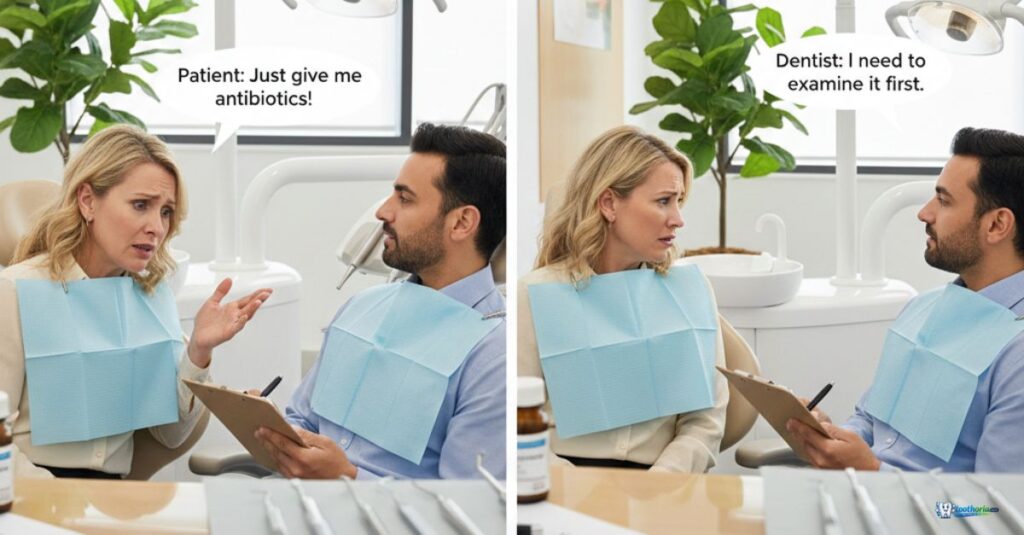
Can a dentist prescribe antibiotics without an in-person exam? Usually, the answer is no in most cases because dentists need to investigate the mouth to know the infection.
X-rays assist the dentists in viewing deep issues that the eyes fail to see. Antibiotics can suppress the symptoms and make the infection more severe in the future without an exam. This helps prevent treatment mistakes and delays in proper dental care.
When Do Dentists Prescribe Antibiotics for Tooth Infections?
Dentists prescribe antibiotics only when a bacterial infection cannot be managed with dental treatment alone. Common situations include:
- Severe dental abscesses with swelling that spreads beyond the tooth
- Gum infections (periodontitis) that show systemic signs like fever
- Prophylaxis for patients at high risk of infective endocarditis before certain dental procedures
- Post-surgical infections when oral surgery creates a higher risk of bacterial complications
It’s important to note that antibiotics are not a substitute for definitive dental treatment, such as root canals or tooth extraction. Following proper antibiotic stewardship ensures infections are treated safely while minimizing the risk of antibiotic resistance (ADA, 2024).
Can Dentists Prescribe Antibiotics for Sinus Infections?
Patients frequently inquire about the possibility of a dentist prescribing antibiotics to sinus infection. Dentists merely cure sinus infections brought about by tooth issues. This normally occurs with upper back teeth towards the sinuses.
Colds or allergies are the most common causes of sinus infection. Those cases are treated by medical doctors. Dentists treat sinus infections only when they are linked to dental problems.
Do Antibiotics Relieve Tooth Pain?
Antibiotics do not directly relieve tooth pain. Pain usually comes from inflammation or nerve irritation, which requires dental treatment such as fillings, root canals, or extractions.
Antibiotics are prescribed only for bacterial infections, such as swelling, fever, or pus formation. Using antibiotics without a clear infection will not reduce pain and can contribute to antibiotic resistance.
Always consult your dentist to determine the appropriate treatment for tooth pain, rather than relying solely on antibiotics (ADA, 2024).
How Long Before Antibiotics Relieve Tooth Pain?
How soon do antibiotics reduce tooth pain? The majority of people are relieved within one to three days. Swelling reduces first. Pain slowly eases.
It is quite important to complete the entire course. Early termination enables bacteria to come back even stronger.
Common Antibiotics and Dosages for Adults

The most commonly prescribed antibiotics in dentistry include:
| Antibiotic | Typical Adult Dosage | Notes / Use |
|---|---|---|
| Amoxicillin 500mg | 500mg every 8 hours | First-choice antibiotic for most dental infections |
| Clindamycin 300mg | 300mg every 8 hours | Prescribed for patients allergic to penicillin |
| Azithromycin 500mg | 500mg once daily | Used for certain oral infections; an alternative when other antibiotics are unsuitable |
Dosages vary based on the type and severity of infection. Dentists follow ADA guidelines to ensure safe and effective dosing (ADA, 2024).
Home Remedies vs Antibiotics for Dental Issues

While some home remedies may temporarily relieve discomfort, they cannot treat bacterial infections. Common supportive measures include:
- Saltwater rinses to reduce inflammation
- Cold compresses to ease swelling
- Over-the-counter pain relievers
Antibiotics are only required when there is a confirmed bacterial infection. Following your dentist’s guidance ensures proper treatment while reducing unnecessary antibiotic use.
Is Hydrogen Peroxide Rinse Safe for Teeth?
The question of the safety of hydrogen peroxide dental rinse is frequently asked. Surface germs may be minimized using diluted hydrogen peroxide. It must never be swallowed. Its excessive use may harm the gums. Dentists suggest its use with caution and upon recommendation.
Why Following Dental Antibiotic Guidelines Matters
Proper use of antibiotics is critical to prevent antibiotic resistance and protect patient safety. Dentists follow strict guidelines from the ADA and other dental authorities to ensure prescriptions are justified, necessary, and safe.
Misuse of antibiotics can lead to complications, reduce effectiveness in future infections, and increase the risk of side effects. Patients should always follow their dentist’s advice and avoid self-medicating.
Frequently Asked Questions
Can a regular dentist prescribe antibiotics?
Yes, dentists can prescribe antibiotics when needed, usually for infections like abscesses or gum disease.
Will a dentist give you antibiotics without seeing you?
No, dentists typically require an in-person or virtual exam before prescribing antibiotics.
What is the strongest antibiotic for a tooth infection?
Amoxicillin or amoxicillin-clavulanate is commonly used; severe cases may need stronger antibiotics like clindamycin.
Why did my dentist not give me antibiotics for a tooth infection?
Your dentist may have felt the infection could be treated with cleaning, drainage, or dental procedures instead of medication.