
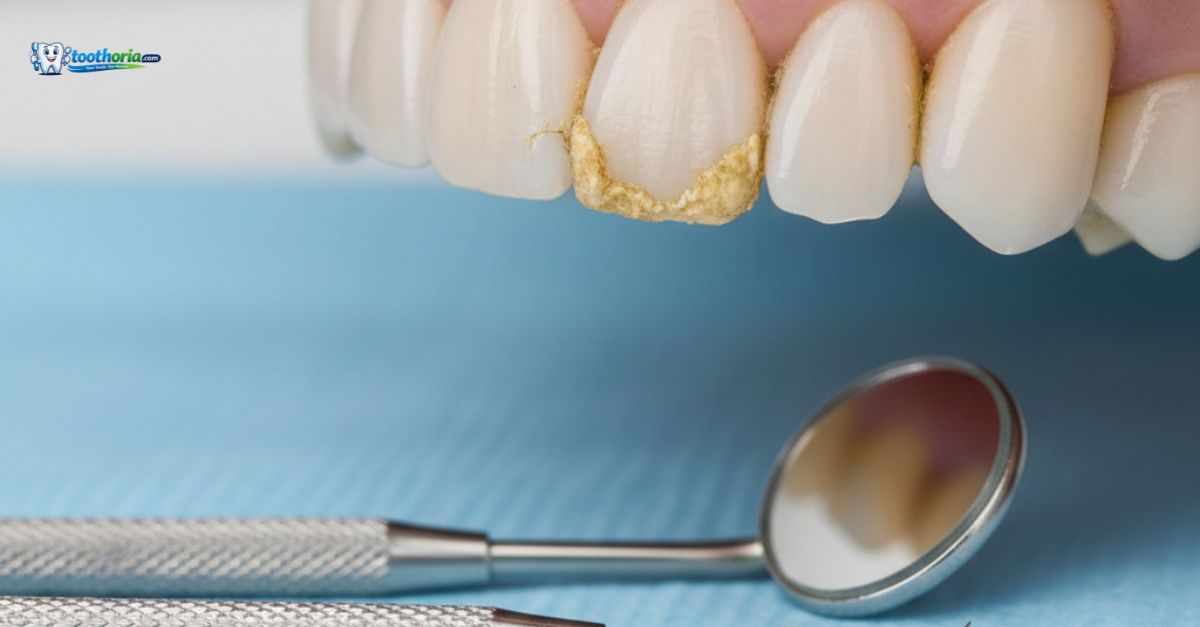
Many people notice a hard, yellow, or brown layer on their teeth and assume it’s just plaque. In reality, this hardened buildup is often calculus, also known as dental calculus or tartar. Unlike soft plaque, calculus sticks firmly to the teeth and does not come off with regular brushing.
When calculus on teeth is ignored, it can slowly damage gums, affect breath, and increase the risk of serious oral problems. Understanding how calculus forms, why it’s harmful, and how it can be safely removed is essential for maintaining long-term oral health.
What Is Calculus on Teeth?
Dental calculus is hardened plaque that forms when plaque is not removed in time and absorbs minerals from saliva. Once plaque turns into calculus, it becomes rough, hard, and difficult to remove without proper care.
Calculus commonly forms:
- Along the gumline
- Between teeth
- Behind the lower front teeth
- Around dental bridges or restorations
This buildup may appear yellow, brown, or even black, especially in areas where oral hygiene is difficult.
Calculus Teeth Meaning and Definition
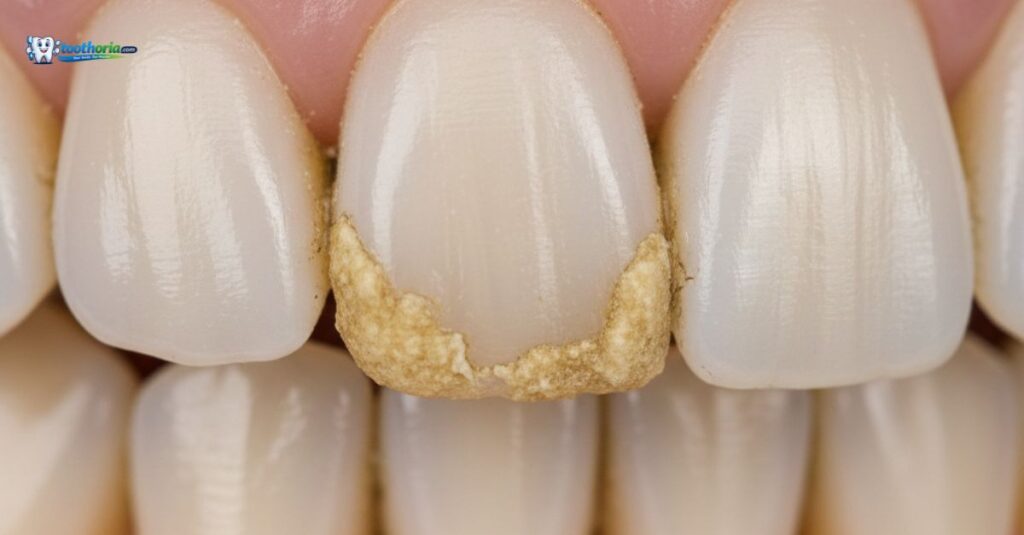
To understand the issue clearly, it helps to break down the calculus teeth’s meaning.
Dental calculus is:
- Mineralized plaque that has hardened over time
- Firmly attached to tooth enamel
- A surface that attracts even more plaque and bacteria
Many people search for calculus definition teeth because they confuse calculus with plaque. The key difference is that plaque is soft and removable, while calculus is hardened and stubborn.
How Does Calculus Buildup on Teeth Form?
Calculus buildup on teeth is a gradual process that starts with plaque. When plaque is left undisturbed, minerals in saliva cause it to harden.
Common causes include:
- Infrequent or improper brushing
- Skipping flossing
- Dry mouth or reduced saliva flow
- Smoking or chewing tobacco
- High-sugar or high-starch diets
Over time, this leads to hard calculus teeth that cannot be removed with normal brushing alone.
Plaque vs Tartar: What’s the Difference?
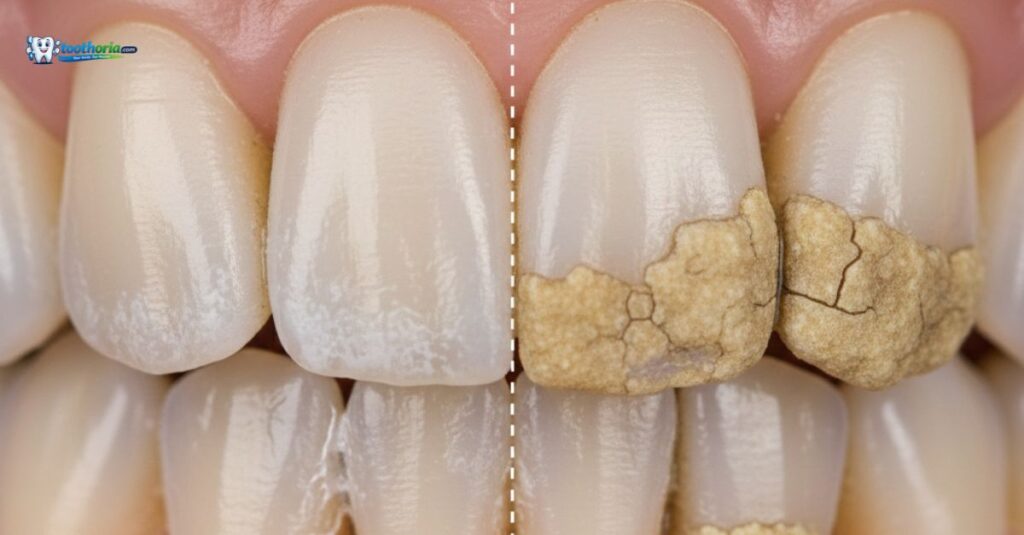
Understanding dental tartar vs plaque helps explain why calculus is so persistent.
Plaque:
- Soft, sticky bacterial film
- Can be removed with brushing and flossing
- Forms daily
Tartar (calculus):
- Hardened plaque
- Cannot be removed at home once fully formed
- Builds up over weeks or months
Once plaque turns into plaque calculus, the risk of gum problems increases significantly.
Risks of Leaving Calculus on Teeth Untreated
Ignoring teeth calculus buildup can lead to more than cosmetic issues. Calculus creates a perfect environment for bacteria to thrive.
Potential risks include:
- Gum inflammation and bleeding
- Persistent bad breath
- Gum recession
- Increased risk of cavities
- Bone loss in severe cases
Calculus between teeth is especially dangerous because it’s harder to detect and clean, allowing bacteria to stay trapped.
Can Calculus Break Off Teeth on Its Own?
Some people notice tartar breaking off teeth and believe the problem is solved. While small fragments may detach, this does not mean the calculus is gone.
Important things to know:
- Broken pieces leave rough surfaces behind
- The remaining calculus continues to trap bacteria
- Gum irritation may worsen over time
Relying on calculus to fall off naturally is not a safe solution.
How to Remove Calculus from Teeth Safely
Many people search for how to remove calculus from teeth or calculus teeth removal, but it’s important to understand the limits of home care.
Safe and effective removal focuses on:
- Preventing further buildup
- Reducing plaque formation
- Avoiding damage to enamel and gums
Using sharp tools or aggressive scraping at home can harm teeth and gums.
How to Get Rid of Calculus on Teeth at Home: What Helps and What Doesn’t
While fully hardened calculus cannot be completely removed at home, some habits can help manage early buildup and prevent worsening.
Helpful habits include:
- Brushing twice daily with proper technique
- Flossing to reduce calculus between teeth
- Using antibacterial mouth rinses
- Staying hydrated to support saliva flow
Methods that can be risky:
- Using metal plaque scrapers without training
- Scraping hard calculus aggressively
- Relying on internet hacks that damage enamel
Searches like remove calculus from teeth at home are common, but safety should always come first.
Black Calculus Between Teeth: Why It Happens
Black calculus between teeth often forms due to:
- Long-term buildup
- Smoking or tobacco use
- Trapped food and bacteria
- Bleeding gums mixed with tartar
This type of calculus is harder, darker, and more noticeable, making prevention even more important.
Calculus on Teeth in Special Cases
Calculus can also form in less obvious situations.
Examples include:
- Calculus bridge teeth, where cleaning is more difficult
- Calculus, which is common in pets with poor oral hygiene
- Areas with dental appliances or crowded teeth
These situations require extra attention to daily cleaning routines.
How to Prevent Calculus from Forming
Prevention is the most effective approach to managing teeth tartar and calculus.
Simple preventive steps:
- Brush properly twice a day properly
- Floss daily to remove plaque between teeth
- Reduce sugary and sticky foods
- Drink water after meals
- Avoid smoking
Consistent habits prevent plaque from hardening into calculus.
Final Thoughts
Calculus on teeth is more than a cosmetic concern. It forms quietly, hardens over time, and creates long-term oral health risks if ignored. While home care can slow its development, understanding how calculus forms and how to prevent it is key.
By maintaining daily oral hygiene habits and avoiding harmful removal methods, you can reduce calculus buildup and protect your teeth and gums over time.
FAQs
What is calculus in a tooth?
Dental calculus is hardened plaque that forms on teeth when plaque is not removed and absorbs minerals from saliva, creating a hard tartar layer.
How do you get rid of calculus on teeth?
Once plaque hardens into calculus, it cannot be removed by brushing alone; daily oral hygiene helps prevent buildup, but hardened calculus needs proper removal methods.
Is dental calculus serious?
Yes, dental calculus can lead to gum disease, bad breath, cavities, and long-term oral health problems if left untreated.
Can dental calculus break off?
Yes, small pieces of dental calculus may break off, but this does not remove the underlying buildup and can leave rough surfaces that attract more plaque.