
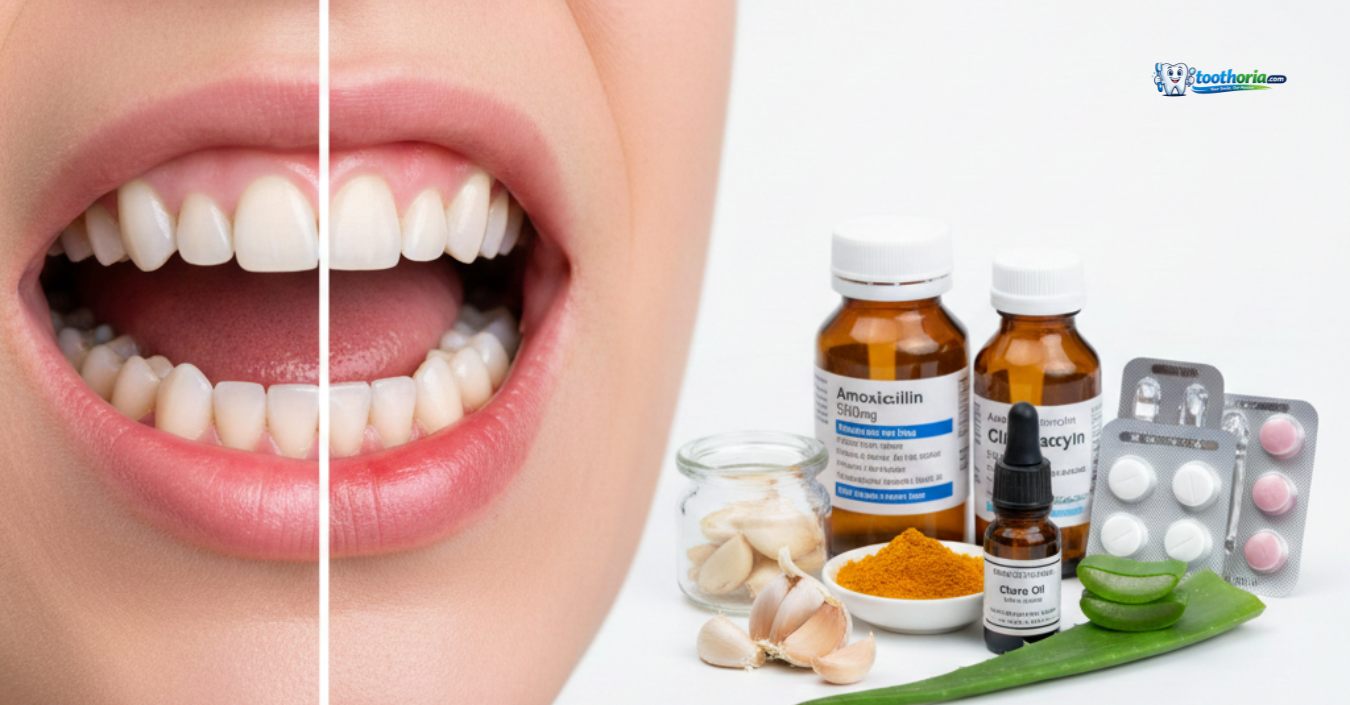
Gum infections are common, but antibiotics are not always the first or best treatment. In most cases, dentists rely on professional cleaning, scaling, and proper oral care to control the infection. Antibiotics are usually prescribed only when the infection is severe, spreading, or linked to conditions like periodontal abscess, fever, or a weakened immune system.
Using antibiotics when they are not needed can lead to drug resistance, side effects, and delayed healing. That’s why understanding when antibiotics should be used, which ones are commonly prescribed, and when they should be avoided is important for safe and effective treatment.
In this guide, we’ll explain the best antibiotics for gum infections, the situations in which dentists recommend them, and why professional dental care is still the most important step in treating gum disease.
What Is a Gum Infection
A gum infection begins when plaque bacteria stay on teeth and gums for too long. This causes inflammation known as gingivitis. In the early stages, gingivitis and antibiotics are not required. Professional cleaning and daily oral care usually solve the issue.
When untreated, gingivitis may progress into periodontitis. This advanced infection damages the gums and supporting bone. Pain, pus, and loose teeth may appear. At this point, dentists often prescribe an antibiotic for a gingival infection along with deep cleaning to control bacteria and prevent further damage.
| Gum Condition | Severity | Medical Need |
| Gingivitis | Mild | Cleaning only |
| Periodontitis | Severe | Cleaning plus antibiotics |
When Are Antibiotics Needed for Gum Infections
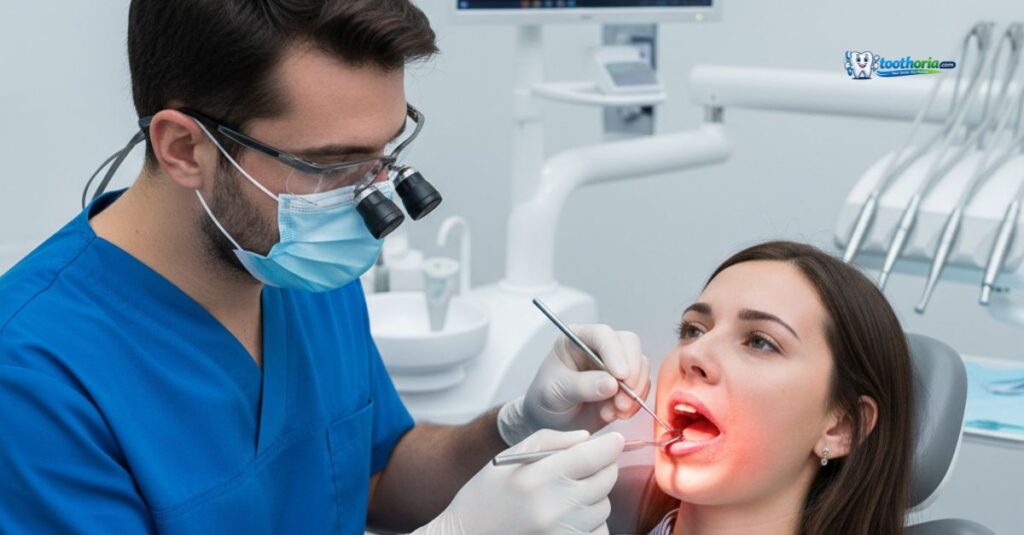
Dentists prescribe antibiotics only when bacteria move beyond the surface tissue. Mild cases often heal with scaling and root planing alone. Gum inflammation treatment antibiotics are reserved for deeper infections.
Signs such as facial swelling, fever, pus, or spreading pain signal danger. In these cases, antibiotics for gum inflammation help prevent bone loss and systemic infection. Medical guidelines stress limited use to reduce antibiotic resistance.
Which Antibiotics Are Used for Gum Infections
Patients frequently ask, what antibiotic is used for gum infection. Dentists select medication based on bacterial type, allergy history, and infection depth. Amoxicillin is commonly used for standard infections. Metronidazole targets anaerobic bacteria found deep in gum pockets.
Clindamycin is used when a penicillin allergy exists. Doxycycline is often chosen for chronic inflammation. These are recognized types of antibiotics for gum infection in evidence-based dentistry.
| Antibiotic | Dental Use | Clinical Note |
| Amoxicillin | Common cases | Broad coverage |
| Metronidazole | Deep infection | Avoid alcohol |
| Clindamycin | Penicillin allergy | Monitor stomach |
| Doxycycline | Chronic disease | Anti inflammatory |
Many people ask, what antibiotic can I take for a gum infection without a dental visit. Self-medication is unsafe and discouraged by medical authorities. Incorrect antibiotics can delay care and worsen the disease.
Dentists evaluate health history, pregnancy status, allergies, and infection severity. This ensures the best antibiotics for gum infections are chosen safely and responsibly.
How to Get Antibiotics for a Gum Infection

If you wonder how to get antibiotics for a gum infection, the correct path is a dental exam. In the USA, antibiotics are prescription-only for patient safety.
Buying medication without a diagnosis risks side effects and treatment failure. A licensed dentist confirms the need for a gum antibiotic before prescribing.
Commonly Prescribed Antibiotics for Gum Infections
According to the American Dental Association’s evidence‑based clinical practice guidelines, antibiotics should not be used for most routine dental infections and are only recommended when the infection shows systemic signs or when definitive dental treatment is not immediately possible.
Is Ciprofloxacin Good for Tooth or Gum Infection
Many patients ask, is ciprofloxacin good for a tooth infection? Dentists rarely use it as a first choice. It targets bacteria not commonly involved in gum disease.
Ciprofloxacin may be used only when standard options fail. Dental-specific antibiotics are safer and more effective for most cases.
Tooth Still Hurts After 4 Days of Antibiotics; Why?
If a tooth still hurts after 4 days of antibiotics, this does not always mean failure. Inflammation often improves before pain fully resolves.
However, worsening pain, fever, or swelling requires reevaluation. Tooth pain worse after starting antibiotics may indicate that drainage is needed or bacterial resistance is present.
Natural Remedies That May Help Gum Infections
People often search for a natural antibiotic for gum infection. Natural remedies can reduce discomfort but cannot cure deep infections.
Clove oil numbs pain. Garlic limits bacterial growth. Saltwater reduces swelling. These methods support healing but do not replace medical care.
Common Natural Options
Some natural options, such as saltwater rinses, clove oil, or tea tree oil, may help reduce bacterial growth or relieve minor discomfort in gum infections. While these remedies can support oral hygiene, they cannot replace professional dental treatment. If symptoms persist, worsen, or spread, it’s essential to see a dentist.
Garlic is often cited due to its allicin content. Turmeric also reduces inflammation. These options are supportive only and work best with professional treatment.
Can Mouthwash Like Listerine Help Gum Infections?
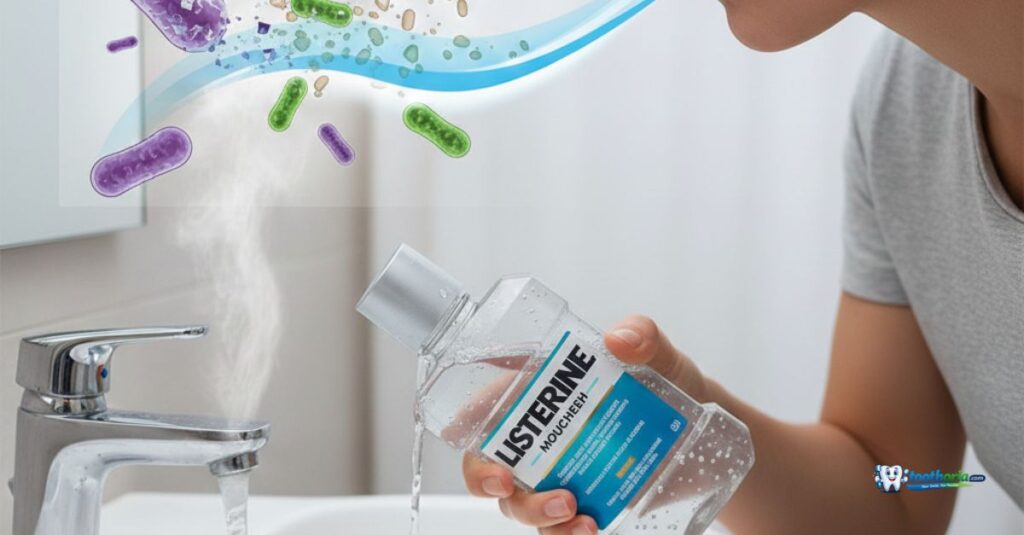
People often ask, will Listerine kill a tooth infection. Mouthwash reduces surface bacteria but cannot reach deep gum pockets.
A mouthwash for bleeding gums helps reduce irritation. Dentists may prescribe chlorhexidine for the short term. The best mouthwash for gingivitis supports daily hygiene but does not replace antibiotics.
| Mouthwash Type | Role |
| Chlorhexidine | Medical control |
| Alcohol free rinse | Gentle care |
| Gingivitis mouthwash | Plaque reduction |
Bactrim for Sinus Infection and Gum Pain
Some patients taking Bactrim for a sinus infection notice reduced gum pain. Sinus pressure often mimics dental pain.
Bactrim is not a standard gum treatment. Dentists must determine whether pain originates from sinuses or teeth before prescribing antibiotics.
Conclusion
Antibiotics for gum infections are effective when used correctly and responsibly. They help control harmful bacteria, reduce pain, and protect oral structures. Not every gum issue needs antibiotics, but advanced infections often do.
Natural remedies and mouthwash provide comfort, not cures. The safest and most effective treatment always begins with a professional diagnosis. Early care prevents complications and preserves long-term oral health. If gum pain, swelling, or bleeding persists, seek dental care promptly.
FAQs
1. What is the best antibiotic for gum infection?
The best antibiotic depends on the severity. Common choices are Amoxicillin, Metronidazole, Clindamycin, or Doxycycline. Dentists decide based on infection type, allergies, and health history.
Is mouthwash safe in pregnancy?
Alcohol-free chlorhexidine mouthwash or fluoride rinses are safe in pregnancy. Avoid alcohol-based mouthwashes. Always consult your dentist before use.
3. How to treat swollen gums in toddlers?
Maintain gentle brushing with a soft toothbrush, use warm saltwater rinses if age-appropriate, and ensure a healthy diet. See a pediatric dentist if swelling, bleeding, or pain persists.
4. What antibiotics are used for dental abscesses in pregnancy?
Safe antibiotics include Amoxicillin, Clindamycin, or Penicillin. Avoid Tetracycline. Always consult an OB-GYN or dentist before taking any antibiotics.