
Aligned with ADA oral health guidance. Consult your dentist for personalized advice.
Most people pick one and stick with it. Either they grab a roll of string floss every night, or they invest in a water flosser and never look back. But very few people actually understand what each tool is doing inside their mouth, and more importantly, what each one is missing.
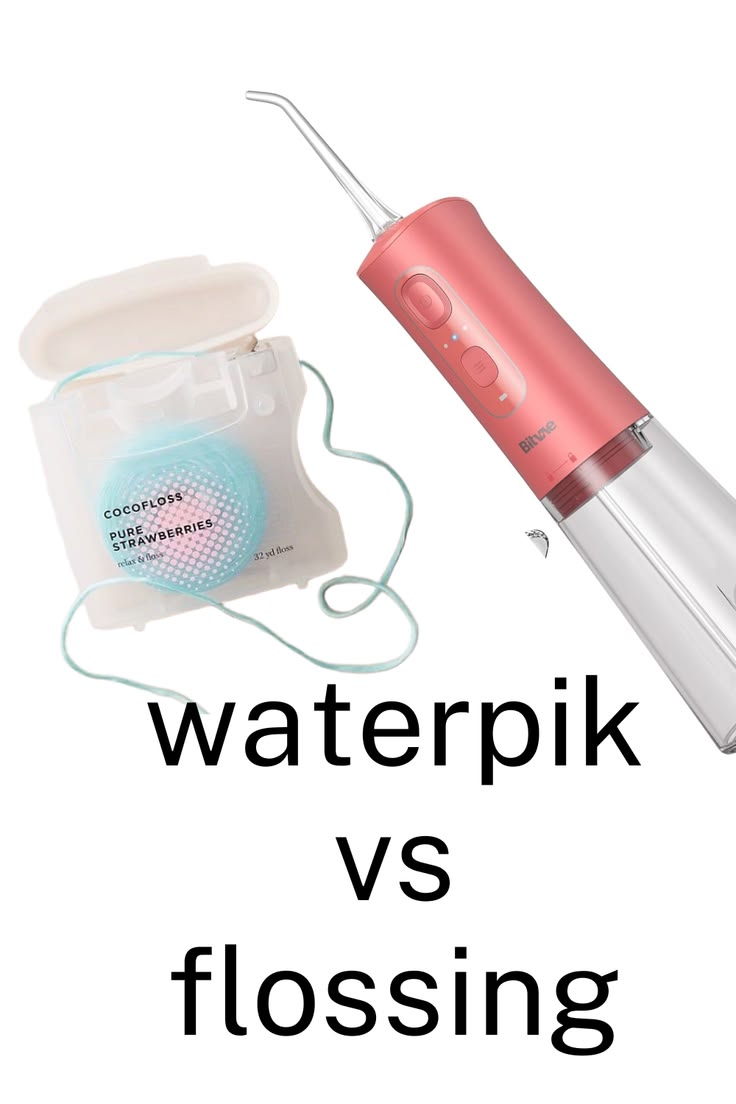
Understanding the real benefits of Waterpik vs. flossing changes how you approach your entire oral care routine. It is not about which tool wins. It is about knowing exactly what each one does so you can use them in the smartest possible way.
The Core Benefits of Waterpik vs Flossing
When dental professionals compare the benefits of Waterpik vs. flossing, they look at three key areas: plaque removal, gum health, and ease of consistent use.
String floss wins on plaque removal. The thin strand physically scrapes the sticky biofilm layer directly off tooth surfaces in tight contact areas. No amount of water pressure fully replicates that mechanical scraping action.
A Waterpik wins on gum health. The pulsing water stream reaches several millimeters below the gumline into the pockets where bacteria breed and gum disease begins. String floss simply cannot get that deep.
Waterpik also wins on consistency. Because it is faster, more comfortable, and easier to use correctly, people actually do it every day. A tool you use daily beats a tool you skip three times a week every single time.
What a Waterpik vs. Flossing Study Actually Found
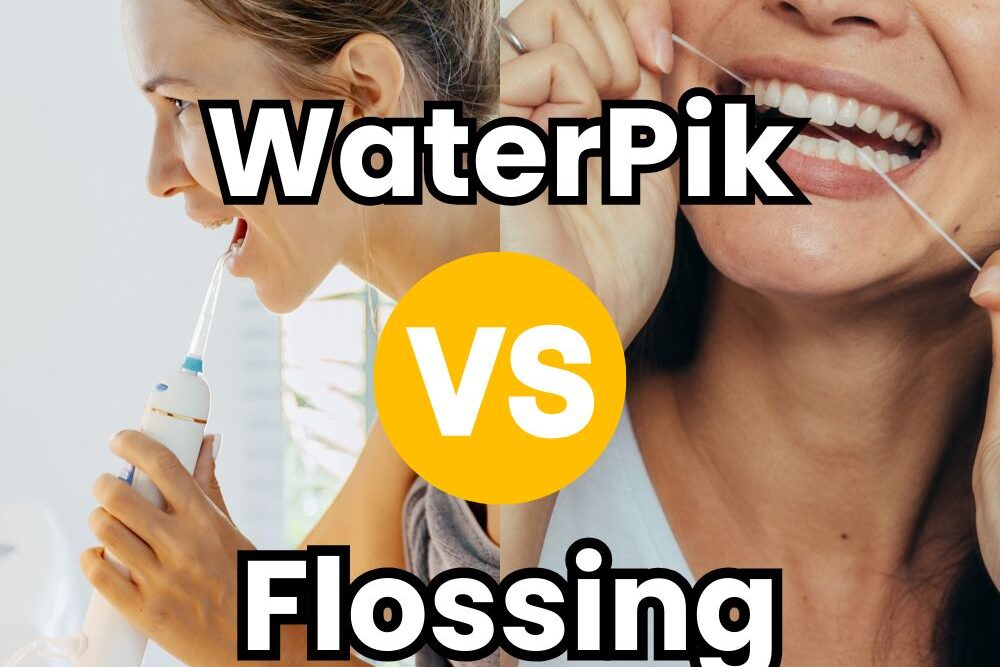
The research here is stronger than most people realize. A major Waterpik vs. flossing study published in the Journal of Clinical Dentistry found that the Waterpik Water Flosser was up to 52 percent more effective than string floss for reducing gingivitis and up to 93 percent more effective at reducing gum bleeding.
A 2024 systematic review of multiple studies also found that water flossers consistently outperformed string floss for reducing plaque around the gumline, though researchers noted variation between individual study methods.
What this means practically is that if gum health and bleeding are your primary concerns, the clinical evidence strongly favors the water flosser. If tight interproximal plaque between teeth is your concern, string floss remains the more direct tool.
Neither replaces brushing with fluoride toothpaste. Both are daily supplements to brushing, not substitutes for it.
Waterpik vs. Water Flosser: Are They the Same Thing?
People often search “waterpik vs water flosser” as if they are different products. Here is the simple answer. Waterpik is a brand. Water flosser is the product category. Asking about Waterpik vs. water flosser is like asking about Nike vs. sneakers.
Waterpik is simply the most clinically researched and widely recognized brand within the water flosser category. Several of its models carry the ADA Seal of Acceptance. Other brands like Philips Sonicare and Oral-B also make water flossers, but Waterpik leads in peer-reviewed clinical backing.
Water Flosser Advantages and Disadvantages
Being honest about water flosser advantages and disadvantages helps you make a smarter decision.
Advantages:
Reaches deep below the gumline where string cannot access. Reduces gum bleeding dramatically within two weeks of daily use. Ideal for braces, implants, bridges, and crowns. Faster and more comfortable than string flossing. Clinically proven to reduce gingivitis more effectively than floss alone.
Disadvantages:
Higher upfront cost compared to a two-dollar roll of floss. Requires electricity or charging. Takes up counter space. Needs a water source nearby. Does not physically scrape tight plaque contacts as effectively as string floss.
Understanding these water flosser advantages and disadvantages helps you decide whether it replaces or supplements your current routine.
Water Flosser Dangers: What You Actually Need to Know
The phrase “water flosser dangers” comes up frequently in searches and deserves an honest answer rather than dismissal.
Real water flosser dangers are rare but worth knowing. Using the highest pressure setting on already sensitive or receding gums can cause irritation. People recovering from oral surgery should wait for dentist clearance before using any irrigator. Pointing the tip directly against gum tissue at a harsh angle rather than at the tooth can stress delicate tissue over time.
Can Waterpik cause gum recession? This is one of the most common concerns people raise. Clinical research has not found that correct Waterpik use causes gum recession. In fact, by reducing chronic gum inflammation, regular water flosser use helps prevent the conditions that lead to recession in the first place.
The key word is correct use. Always start at the lowest pressure setting. Angle the tip at 90 degrees toward the tooth, not jabbing directly into gum tissue. Increase pressure gradually over one to two weeks as your gums adjust.
What Reddit Users Say About Water Floss vs Regular Floss
Across water floss vs. regular floss Reddit threads, real user experiences paint a consistent picture that aligns with clinical research.
The majority of users who switched to a water flosser report that their gums stopped bleeding within two weeks. Many describe their dental hygienist commenting positively on improved gum health at their next checkup. Users with braces almost universally prefer water flossing over threading string under wires.
The honest criticism from Reddit is also consistent. Some users with very tight teeth find that string floss still feels more thorough for cleaning between tight contacts. A handful of users mention the learning curve of using a water flosser without making a mess initially.
The overall Reddit consensus mirrors what dentists recommend. Use both tools together for the best results.
Should I Use a Waterpik and Floss Together?
Yes. When people ask, “Should I use a Waterpik and floss?” the answer from both research and dental professionals is consistently the same. Using both delivers measurably better outcomes than either alone.
String floss removes the plaque layer mechanically. The Waterpik flushes loosened debris and bacteria from the gumline. They clean different structures in a complementary way.
Waterpik or Floss First: The Right Order
If you use both, the correct answer to “Waterpik or floss first?” is to use your Waterpik first. The water stream loosens and flushes soft debris and large bacterial deposits. Your string floss then works more efficiently on the remaining plaque film without debris in the way.
Some dentists recommend reversing this order. Either sequence works. What matters most is doing both consistently every single day. For a deeper look at how these two tools compare overall, read our full guide: Waterpik vs Flossing
For more on how traditional string floss works on its own, read: [What Is Traditional Flossing?] (internal link)
FAQs
Q1. What are the main benefits of Waterpik vs. flossing?
Waterpik wins for gum health and bleeding reduction. String floss wins for direct plaque removal between teeth. Both together give the best results.
Q2. Can a Waterpik cause gum recession?
No, when used correctly. Proper technique at low pressure actually helps prevent recession by reducing gum inflammation.
Q3. Should I use a Waterpik and floss together?
Yes. They clean different areas and work better as a pair than either does alone.