
The first time a parent brings a toddler into my dental chair screaming, it breaks my heart not because of the noise, but because I know that visit could have been so much gentler if we’d started a little earlier. I’ve been practicing dentistry for over a decade, and the pattern I see again and again is this: parents wait until something hurts before they bring their child in. By then, we’re already playing catch-up.
Preventive dentistry for children isn’t about making kids sit through unnecessary appointments. It’s about making sure they never need the painful ones.
Let me walk you through what Preventive Dentistry for Kids actually looks like, why it matters more than most parents realize, and what simple steps you can start taking at home today.
Why Preventive Dentistry for Children Matters More Than You Think
Here’s something that surprises a lot of parents: tooth decay is the most common chronic disease in children more common than asthma. That’s not a scare tactic; it’s a public health fact documented by the CDC.
And unlike asthma, early childhood cavities are almost entirely preventable.
The biggest misconception I run into is that baby teeth don’t matter because “they’re going to fall out anyway.” That logic sounds reasonable until you see a five-year-old needing a tooth pulled under sedation because of an untreated abscess. Baby teeth hold space for permanent teeth. They affect speech development, chewing, and a child’s confidence. Losing them too early can cause real, lasting problems.
This is exactly where preventive dental care for toddlers becomes so critical the habits and treatments you establish in those early years set the entire trajectory for your child’s oral health.
When Should Preventive Dental Care Actually Begin?
The American Academy of Pediatric Dentistry recommends a child’s first dental visit by their first birthday or within six months of their first tooth coming in whichever comes first. Most parents I talk to think age three or four is early enough.It isn’t.
Starting early does a few things:
- It normalizes the dental chair for the child. Kids who come in before anything is wrong tend to be far more cooperative patients throughout their lives.
- It lets us catch early signs of decay or developmental issues before they become complicated.
- It gives parents a chance to ask real questions about teething, thumb sucking, bottle habits when it actually matters.
If your child is already past that first birthday and hasn’t been seen, don’t panic. Just go now. The second-best time is always today.
The Core Pillars of Preventive Dentistry in Children
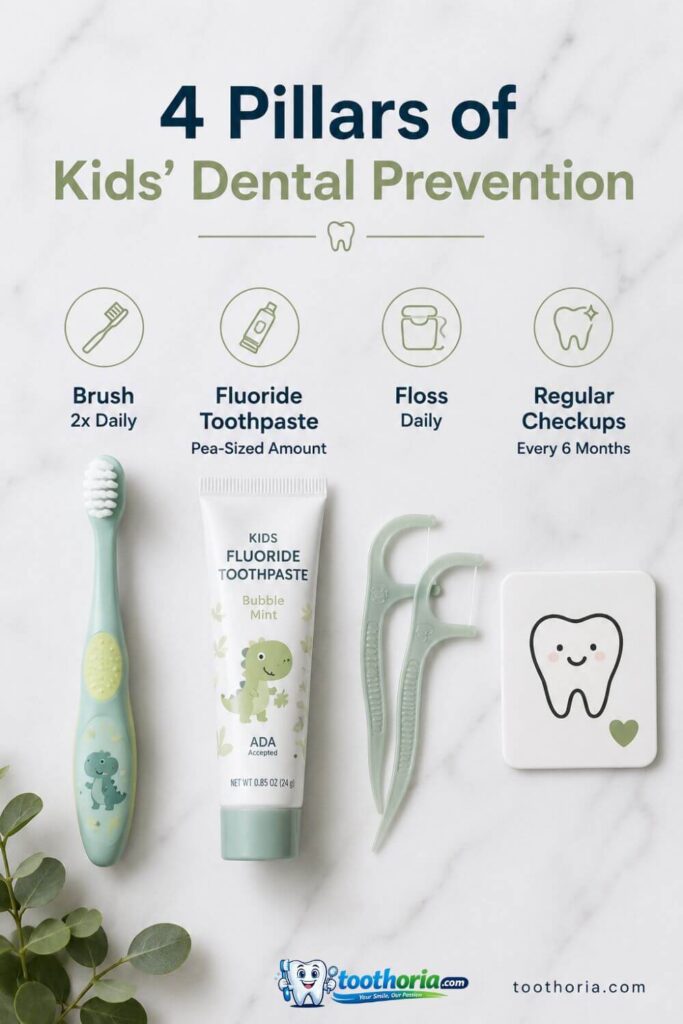
Fluoride The Most Underrated Tool We Have
Fluoride gets a bad reputation online, which honestly frustrates me. There is more solid evidence supporting the safety and effectiveness of fluoride in preventing childhood cavities than almost anything else in dentistry.
Fluoride works by strengthening the enamel of the outer layer of the tooth making it more resistant to acid attacks from bacteria. For children, we use it in a few ways:
- Fluoride toothpaste pea-sized amount for kids 3 and up, rice-grain size for younger children
- Fluoride varnish applied in the dental office every six months; takes about two minutes and makes a real difference
- Fluoridated water if your municipal water supply contains fluoride, that’s already working in your child’s favor
The research on fluoride in pediatric dentistry is clear: communities with fluoridated water consistently show lower rates of tooth decay in children. That’s decades of data from populations all over the world.
I’ve had parents ask me to skip fluoride varnish. I always explain the evidence, because that’s my job. But I also respect parents’ choices and just make sure we have a plan B for cavity prevention if they decline.
Dental Sealants A Simple Barrier That Works
The back molars in a child’s mouth are deeply grooved. Food and bacteria get trapped in those grooves constantly, and a toothbrush simply can’t reach every corner. That’s where sealants come in.
A sealant is a thin, plastic-like coating painted onto the chewing surface of the back teeth. It takes maybe 10 minutes, doesn’t require any drilling or numbing, and it can cut the risk of cavities in those teeth by up to 80%.
I recommend sealants as soon as the permanent first molars come in, usually around age 6, and again when the second molars erupt around age 12. It’s one of the most cost-effective things we do in preventive pediatric dentistry.
Regular Cleanings and Check-Ups
This one seems obvious, but I can’t stress enough how much happens in a routine cleaning beyond just removing plaque. We’re assessing:
- Bite development and jaw alignment
- Early signs of orthodontic issues
- Soft tissue changes
- How the child’s oral hygiene habits are holding up at home
For most kids, twice a year works well. Some children with a higher risk of cavities due to diet, dry mouth, or other factors may benefit from quarterly visits.
Teaching Proper Brushing and Flossing At the Right Age
A lot of parents hand a toothbrush to a four-year-old and consider it done. I get it you’re tired, it’s bedtime, and the fight isn’t worth it. But the technique matters more than people realize.
Children don’t have the motor skills to brush effectively until they’re around 7 to 8 years old. Before that, a parent should be doing it or at least finishing up. Use a soft-bristled brush, fluoride toothpaste in the right amount, and brush for a full two minutes.
Flossing should start as soon as two teeth are touching which can happen as early as age two or three. It feels awkward with a wiggly toddler, but floss picks made for kids make it much easier.
When it comes to preventing cavities at home, consistency beats perfection. Brushing imperfectly every single night beats brushing perfectly twice a week.
Diet and Oral Health The Conversation Most Dentists Rush Through
I’ll be honest: I used to gloss over the diet conversation because it felt uncomfortable to tell parents their kid eats too much sugar. I got over that.
The bacteria that cause cavities feed on fermentable carbohydrates, sugars and starches. Every time a child eats or drinks something sugary, there’s an acid attack on the tooth enamel that lasts about 20 minutes. It’s not the amount of sugar as much as the frequency that matters.
A child sipping on juice throughout the day is far more cavity-prone than a child who drinks a glass with lunch and then switches to water. That was a surprise to a lot of parents when I first started explaining it that way.
What actually helps:
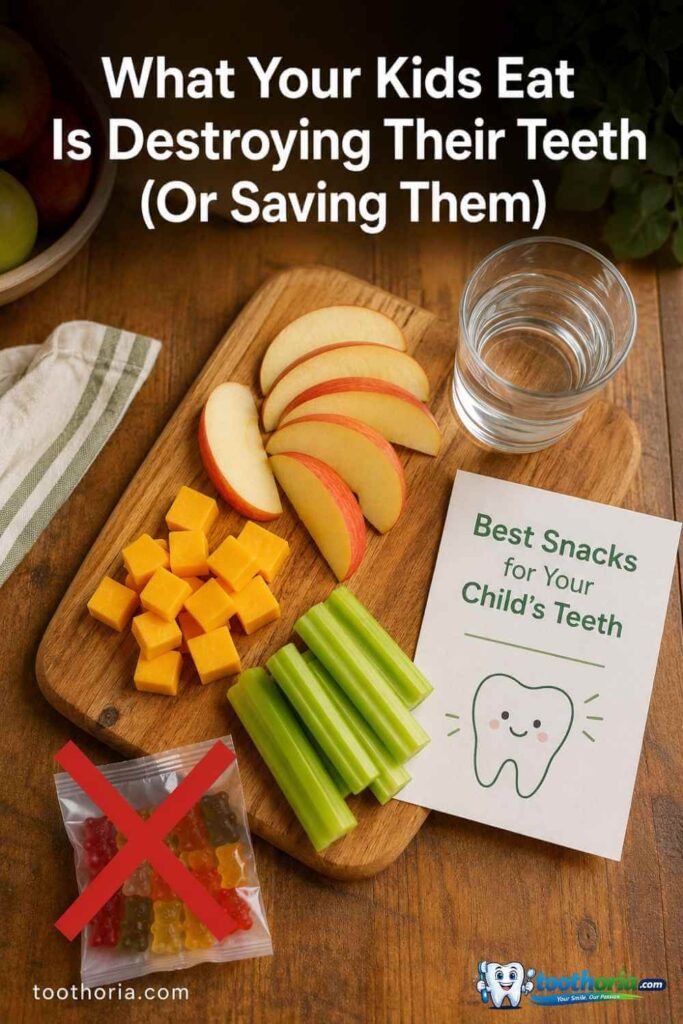
- Water as the primary drink between meals (fluoridated water is even better)
- Limiting sticky, chewy snacks like gummies and fruit leather they cling to teeth for a long time
- Cheese and raw vegetables are genuinely good snacks for teeth; they stimulate saliva and help neutralize acid
- Avoid putting babies or toddlers to bed with a bottle of milk or juice this is called “baby bottle tooth decay” and it’s heartbreaking to see in a two-year-old
For a deeper look at how food affects oral health, this piece on dental hygiene food tips covers it well.
The Role of the First Dental Visit Setting the Right Tone
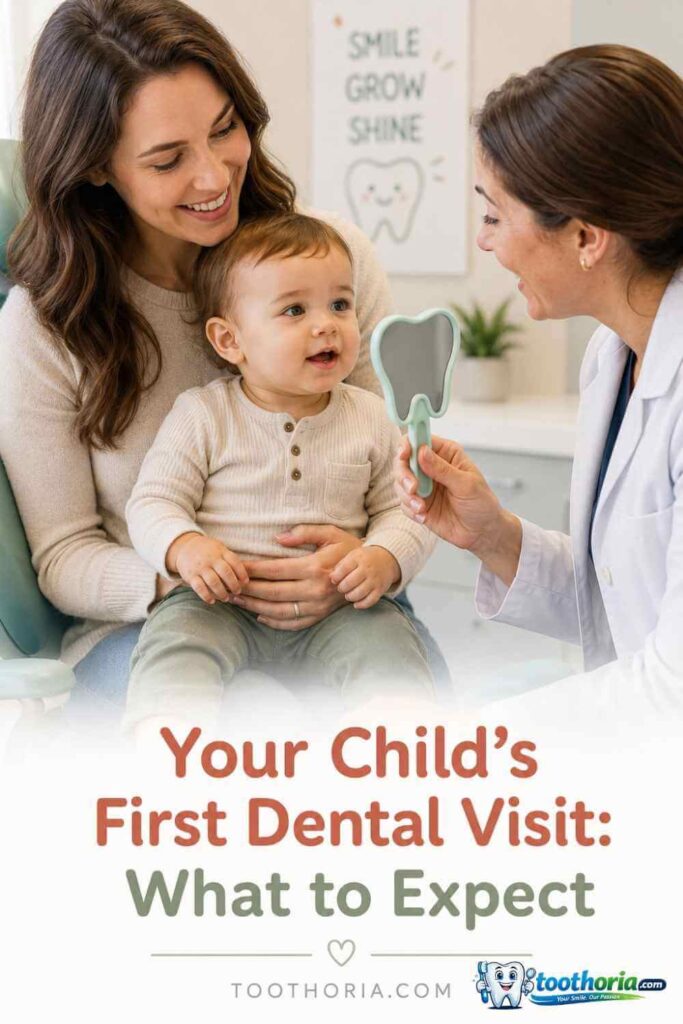
I want to spend a moment on this because I think it’s underappreciated. A child’s first dental experience shapes how they feel about dental care for the rest of their lives. I’ve seen adults in their 40s who haven’t been to a dentist in years because their first visit as a child was traumatic.
When I see a young child for the first time, I take it slow. We let them hold the tools, we show them what the suction does, we don’t rush. The goal isn’t to complete a full exam in 10 minutes, it’s to build trust.
If you’re deciding between a pediatric dentist and a family dentist for your child, it’s worth reading up on the differences before you book. Pediatric dentists complete extra training in child behavior and development, which makes a meaningful difference for anxious children.
Common Mistakes Parents Make With Children’s Dental Health
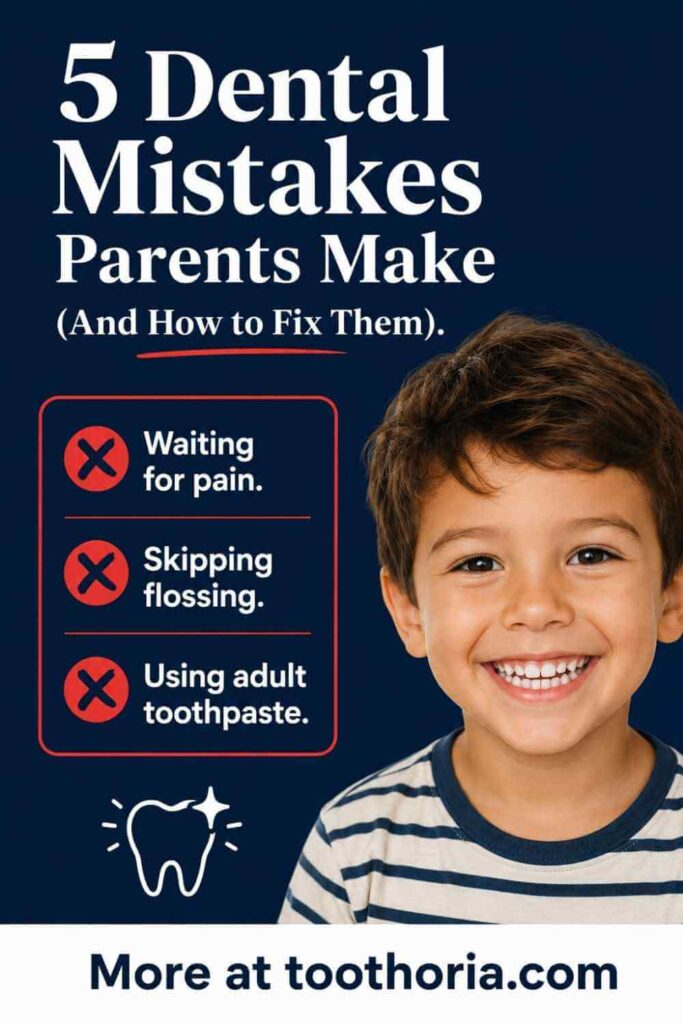
I’ve seen all of these, more than once:
Waiting for pain. Cavities don’t always hurt until they’re deep. Regular check-ups catch them early, when treatment is simple and inexpensive.
Skipping flossing because it seems optional. Brushing only cleans about 60% of tooth surfaces. The spaces between teeth are where childhood cavities often start.
Using adult toothpaste. Many adult toothpastes have higher fluoride concentrations and additives that aren’t appropriate for young children who swallow toothpaste regularly.
Assuming straight teeth mean healthy teeth. Alignment and cavity risk are completely separate issues. Beautiful straight teeth can still have serious decay.
Not replacing toothbrushes often enough. Every three to four months, or after any illness. Frayed bristles don’t clean effectively.
What About Kids With Dental Anxiety?
This is one of the most common challenges I face in practice. Some kids are genuinely terrified, and forcing them through an exam causes more harm than good in the long run.
A few things that actually help:
- Start early familiarity with the dental environment reduces fear significantly
- Role-play at home have your child “examine” their stuffed animals with a flashlight
- Stay calm yourself kids pick up on parental anxiety; if you’re nervous, they will be too
- Use positive language avoid words like “hurt,” “shot,” or “drill” before the visit
- Talk to the dentist ahead of time most of us are happy to do a brief “meet the office” visit before any actual treatment
For severe anxiety, there are options like nitrous oxide (laughing gas) that are safe, effective, and very commonly used in pediatric dentistry. It’s not a failure to use them, it’s good care.
FAQ’s
At what age should my child first see a dentist?
By their first birthday, or within six months of their first tooth erupting. Early visits are short, low-stress, and mostly educational for parents.
How often should children have dental check-ups?
Every six months is standard. Children at higher risk for cavities may need to come in more frequently. Your dentist will let you know.
Are dental X-rays safe for children?
Yes. Pediatric dental X-rays use very low radiation doses, and they’re important for catching decay between teeth and monitoring developing permanent teeth. The frequency depends on your child’s individual risk level.
When should my child start using toothpaste?
As soon as the first tooth appears. Use a rice-grain-sized smear of fluoride toothpaste until age 3, then increase to a pea-sized amount.
My child refuses to brush. What can I do?
Let them choose their toothbrush (character brushes work well), use a two-minute timer or a brushing app, and try brushing at the same time they do. Make it routine, not a battle.
Is thumb sucking harmful to my child’s teeth?
Prolonged thumb sucking beyond age 4 or 5 can affect bite development and jaw alignment. If the habit is persistent, mention it to your dentist. There are gentle approaches that help.
What are dental sealants, and does my child need them?
Sealants are protective coatings applied to the back teeth. Most children benefit from them, especially on the permanent molars. They’re painless, quick, and significantly reduce cavity risk.
Should I be worried about gum disease in my child?
Gingivitis (early gum inflammation) can occur in children, especially around puberty. It’s usually reversible with improved brushing and professional cleanings. Severe gum disease is rare in children but not impossible.
Conclusion:
Preventive dentistry for children is genuinely one of the highest-return investments a parent can make in their child’s long-term health. Not just for their teeth oral health connects to overall health in ways researchers are still uncovering, from heart health to diabetes risk.
The tools are not complicated. Regular visits, fluoride, sealants, a sensible diet, and consistent brushing and flossing habits at home that’s most of it. The hard part isn’t knowing what to do. It’s building the habit.
Start early, stay consistent, and work with a dentist who takes the time to explain things clearly. Your child’s smile thirty years from now will reflect the care you put in today.
This article is written for informational purposes and does not replace professional dental advice. If you have concerns about your child’s oral health, please consult a licensed dental professional.