
Medically aligned with ADA oral health guidance. For personal dental advice, consult your dentist.
Most people have a roll of traditional floss sitting in their bathroom drawer right now. But surprisingly few people use it correctly, or even understand exactly what it does inside their mouth. Traditional flossing is one of the simplest habits in dental care, yet it is also one of the most skipped. Studies consistently show that fewer than 30 percent of adults floss daily, even though dentists have recommended it for over a century.
So what exactly is traditional flossing, why does it matter so much, and how do you do it properly? This guide answers all of that in plain, simple language.
What Is Traditional Flossing?
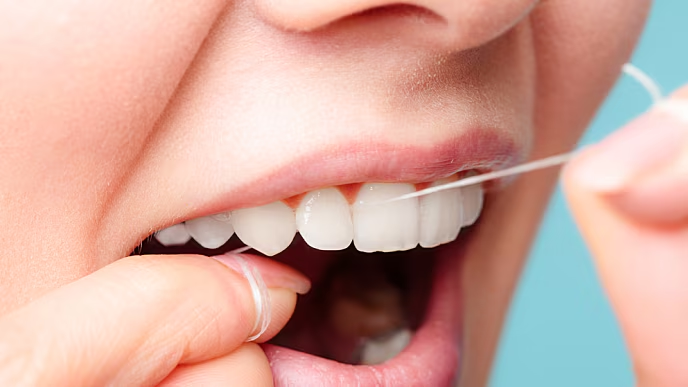
Traditional flossing means using a thin strand of traditional dental floss to clean the tight spaces between your teeth and just below your gumline. Your toothbrush cleans the front, back, and top surfaces of your teeth. But it physically cannot fit into the narrow gaps where two teeth touch each other. That is exactly where traditional flossing does its job.
When you slide traditional string floss between two teeth and curve it into a C-shape against each tooth surface, you are physically scraping away a sticky layer called plaque. Plaque is a film of bacteria that builds up constantly throughout the day. If it is not removed regularly, it hardens into tartar, which only a dental professional can remove. Left untreated, tartar leads to cavities and gum disease.
Traditional flossing is the most direct mechanical method for removing this plaque layer from tooth surfaces that no other tool can fully reach.
Types of Traditional Dental Floss

Not all traditional dental floss is the same. Understanding the different types helps you pick the one that works best for your teeth.
Waxed floss has a thin coating that helps it slide more easily between tight teeth. It is less likely to shred or snap and works well for people whose teeth sit very close together.
Unwaxed floss is slightly thinner and some people feel it cleans more thoroughly because it spreads slightly against the tooth surface. However it breaks more easily in tight spaces.
Dental tape is a broader, flatter version of traditional string floss. It covers more surface area and feels gentler, making it a good choice for people with wider gaps between teeth or sensitive gums.
PTFE floss is made from a strong synthetic material that glides through tight contacts very smoothly and almost never shreds. It costs slightly more but lasts longer without breaking.
Flavored floss is simply traditional floss with added mint or other flavors to make the experience more pleasant. Especially useful for children and people who dislike the taste of plain floss.
All of these are forms of traditional dental floss and all of them work through the same basic mechanical scraping action.
How to Floss Correctly: Step by Step
Technique matters more than most people realize. Incorrect traditional flossing can actually damage your gums or miss most of the plaque entirely.
Step 1: Pull out about 18 inches of traditional string floss. Wind most of it around your middle fingers on each hand, leaving about two inches of clean floss to work with.
Step 2: Hold the floss tightly between your thumbs and index fingers and guide it gently between two teeth using a zigzag motion. Never snap it down hard into the gum as this can cut tissue.
Step 3: Curve the floss into a C-shape around one tooth and slide it gently up and down against the tooth surface, going just below the gumline where bacteria collect.
Step 4: Repeat the C-shape on the neighboring tooth in the same gap.
Step 5: Move to a fresh section of floss as you go from gap to gap so you are not transferring bacteria from one area to another.
The whole process takes about two minutes once you build the habit. Flossing at night before bed is generally recommended by dentists because it removes the full day of accumulated plaque before your saliva flow decreases during sleep.
Benefits of Traditional Flossing
The benefits of traditional flossing go beyond just clean teeth. Regular daily use of traditional dental floss delivers measurable improvements across several areas of your oral health.
Prevents cavities between teeth. Cavities that form between teeth, called interproximal cavities, are among the most common type dentists find. Traditional flossing removes the plaque that causes them before it can do damage.
Reduces gum disease risk. Gingivitis, the earliest stage of gum disease, starts at the gumline where flossing cleans. Consistent traditional string floss use keeps this area clear of the bacteria that trigger inflammation.
Reduces bad breath. Food particles trapped between teeth are a major source of bad breath. Traditional flossing removes them every day, keeping your breath fresher between brushing.
Saves money long term. Preventing cavities and gum disease through daily traditional flossing is far less expensive than treating them. A roll of traditional dental floss costs less than two dollars and lasts weeks.
Supports heart health. Research has found links between chronic gum disease and cardiovascular health. While the relationship is still being studied, maintaining good gum health through regular flossing is considered beneficial beyond just your mouth.
Common Traditional Flossing Mistakes to Avoid
Even people who floss regularly often make these errors without knowing it.
Snapping the floss down hard between teeth instead of guiding it gently is the most damaging mistake. It cuts gum tissue and causes unnecessary bleeding. Skipping back teeth because they are hard to reach is also very common, but back teeth are actually the most cavity-prone areas. Using the same section of floss for every gap transfers bacteria rather than removing it.
Traditional Flossing vs Modern Alternatives
Traditional string floss remains the gold standard for direct plaque removal between teeth. Modern tools like water flossers are excellent for gum health and reach areas floss cannot, but research consistently shows that traditional dental floss does a more thorough job of physically removing plaque from tight tooth contacts.
For a full comparison of traditional flossing against water flossers, read our complete guide: Waterpik vs Flossing
Most dentists today recommend using both traditional string floss and a water flosser together for the most complete oral hygiene routine possible.
FAQs
Q1. What is traditional flossing?
Traditional flossing is using a thin string of dental floss to remove plaque and food from between your teeth once daily.
Q2. Is traditional dental floss better than a water flosser?
For direct plaque removal between teeth, yes. Traditional string floss scrapes plaque more effectively than water alone.
Q3. How often should you use traditional floss?
Once daily, preferably at night before bed.
Q4. Can traditional flossing damage gums?
Only if done incorrectly. Snapping floss hard into gums causes damage. Gentle C-shape technique is completely safe.
Q5. What is the best type of traditional dental floss?
Waxed floss for tight teeth. Dental tape for sensitive or wider gaps. Both work equally well when used correctly.
Conclusion
Traditional flossing is one of the simplest, most affordable, and most effective habits you can build for lifelong dental health. Using traditional dental floss correctly once every day removes plaque from exactly the spots where cavities and gum disease begin. No other tool fully replaces what traditional string floss does mechanically against tooth surfaces. Whether you are starting fresh or improving your existing routine, two minutes of traditional flossing each night is one of the highest return habits in all of personal healthcare.