
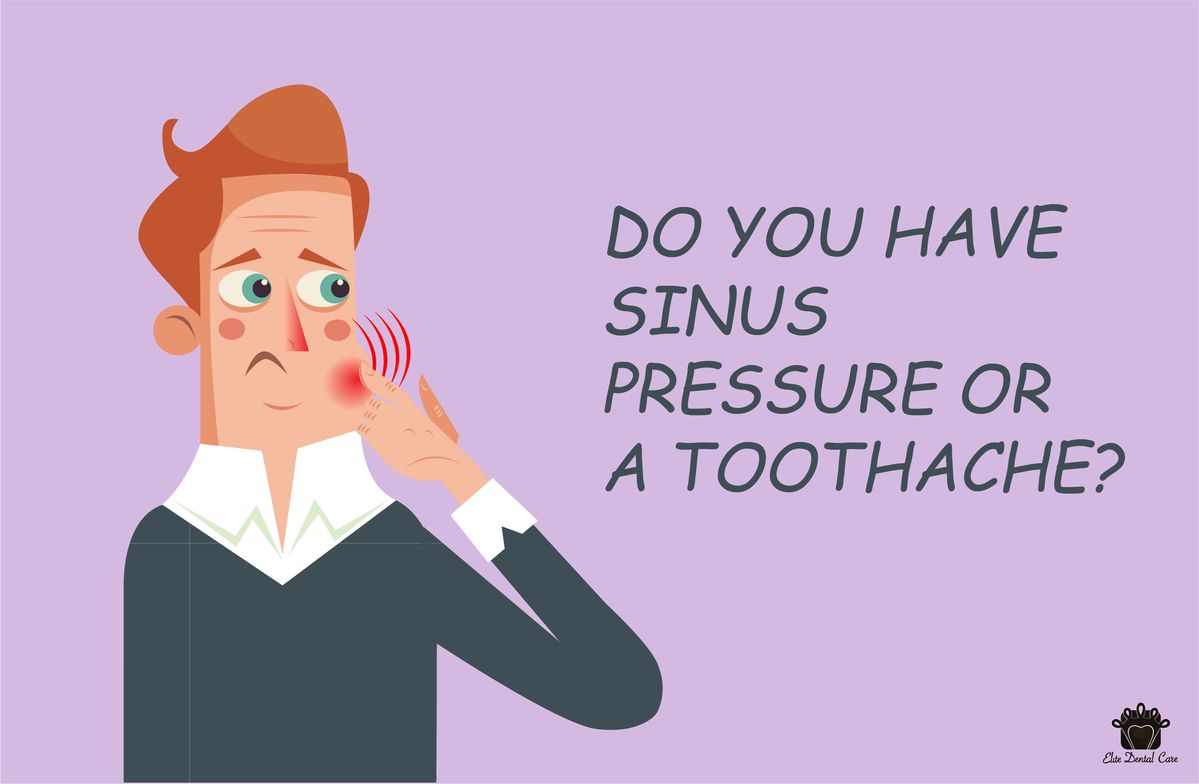
You wake up with a dull, throbbing ache across your upper back teeth. Your first thought is the dentist. But what if the problem has nothing to do with your teeth?
Can a sinus infection cause tooth pain? Yes, absolutely. And it is one of the most commonly misdiagnosed connections in both dental and ENT practice.
According to the CDC, over 31 million Americans are diagnosed with sinusitis each year. A significant number of them report upper tooth pain as a primary complaint and many end up in a dental chair before anyone considers the sinuses as the source.
This guide explains exactly why sinus infections cause tooth pain, how to tell sinus tooth pain from a real dental problem, how long it lasts, and what treatment actually resolves it.
What Are the Sinuses and Why Do They Affect Your Teeth?
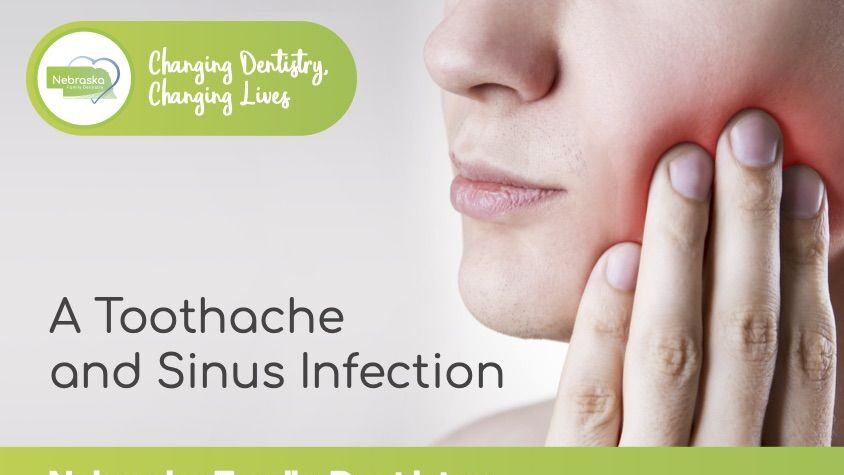
Your sinuses are air-filled cavities inside the bones of your face. You have four pairs:
- Maxillary sinuses: inside your cheekbones, above your upper back teeth
- Frontal sinuses: above your eyebrows
- Ethmoid sinuses: between your eyes
- Sphenoid sinuses: deep behind the nose
Only the maxillary sinuses cause tooth pain. They sit directly above the roots of your upper molars and premolars. In many people, those roots sit less than a millimeter from the sinus floor. In some, they actually protrude into it.
When the maxillary sinus becomes inflamed and fills with mucus, that pressure pushes directly downward onto those tooth roots. Your brain reads this as tooth pain, even though the tooth is completely healthy. This is called referred pain, and it is the precise reason why can a sinus infection cause tooth pain is answered yes by every major medical source including the Mayo Clinic and Cleveland Clinic.
What Does Sinus Infection Tooth Pain Feel Like?
Patients with sinus tooth pain describe it in a very consistent way once you know what to listen for.
Typical characteristics:
- Dull, heavy, constant pressure rather than sharp stabbing pain
- Affects multiple upper back teeth at the same time, not one isolated tooth
- Noticeably worse when bending forward, tilting the head down, or jumping
- Often worst in the morning after lying flat, because pressure pools overnight
- Accompanied by fullness or tenderness in the cheeks below the eyes
- Started during or shortly after a cold or respiratory infection
The bend-forward test: Slowly tilt your head down toward the floor for 10 to 15 seconds. If your tooth pain increases or starts throbbing, sinus pressure is almost certainly involved. Dental pain caused by a cavity or abscess does not change with body position. This simple test is clinically useful before any imaging is ordered.
Sinus Tooth Pain vs Dental Tooth Pain: Key Differences
This is the most important part of answering can a sinus infection cause tooth pain correctly. Getting this wrong leads to unnecessary dental procedures and ongoing pain.
| Feature | Sinus Tooth Pain | Dental Tooth Pain |
| Teeth affected | Multiple upper back teeth | Usually one specific tooth |
| Pain type | Dull, heavy pressure | Sharp, throbbing, stabbing |
| Changes with head position | Yes, worsens when bending | No change |
| Sensitive to cold or sweets | Rarely | Yes, strongly |
| Pain when tapping one tooth | Mild or absent | Sharp and localized |
| Nasal congestion | Almost always present | Not present |
| Facial pressure under cheeks | Yes | No |
| Preceded by a cold | Usually | Not typically |
| Dental X-rays | Normal | Cavity, abscess, or bone loss visible |
| Responds to decongestants | Yes | No |
Expert note: When a patient presents with upper tooth pain and completely normal dental X-rays, sinus evaluation must be the next step before any invasive dental treatment is considered. Performing a root canal on a healthy tooth because the sinus connection was missed resolves nothing and creates unnecessary recovery.
Sinus Infection Tooth Pain Symptoms: The Full Picture
Can a sinus infection cause tooth pain alongside other recognizable symptoms? Yes. The full symptom cluster is what allows accurate identification.
Symptoms pointing to a sinus cause:
- Nasal congestion on the same side as the tooth pain
- Thick yellow or green nasal discharge
- Tenderness when pressing on the cheekbones below the eyes
- Postnasal drip causing sore throat or cough
- Reduced or lost sense of smell
- Headache concentrated around the forehead and cheeks
- Fatigue and general feeling of being unwell
- Ear fullness or mild pressure
- Symptoms began after a cold or upper respiratory infection
Symptoms pointing to a dental cause:
- Pain isolated to one specific tooth with no nasal symptoms at all
- Visible swelling of the gum near one tooth
- Sharp pain triggered by cold water or sweet foods
- Jaw or facial swelling on one side
- A visible bump or pimple on the gum
- Foul taste coming from the gum area
If you have symptoms from both lists at the same time, a dental infection may have spread into the sinus cavity. This requires evaluation from both a dentist and an ENT specialist together.
Which Teeth Are Most Affected?
Not all upper teeth sit equally close to the maxillary sinus. Anatomy determines which teeth are most vulnerable.
Most commonly affected:
- Upper first molars (most frequently cited in research)
- Upper second molars
- Upper second premolars
Sometimes affected:
- Upper first premolars
- Upper canines in people with a lower sinus floor
Not affected by sinus pressure:
- Upper front teeth (incisors)
- Any lower teeth at all
If your pain is in the upper front teeth or any lower tooth and you are attributing it to a sinus infection, the anatomy does not support this. Those teeth have no proximity to any sinus cavity. A dental evaluation is the right first step for those presentations.
Can a Tooth Infection Cause a Sinus Infection? The Reverse Connection
Most people ask can a sinus infection cause tooth infection. Fewer know the reverse pathway exists and is clinically significant.
A severely infected upper molar or premolar can spread bacteria directly through the thin bone between the root tip and the maxillary sinus floor. This is called odontogenic sinusitis, and research published in the International Forum of Allergy and Rhinology estimates it accounts for 10 to 40 percent of all maxillary sinusitis cases.
Signs that a tooth may be causing your sinus infection:
- Sinusitis affecting only one side
- Sinus infection that repeatedly fails to clear with antibiotics
- History of upper tooth pain, root canal, or extraction before sinus symptoms began
- Foul-smelling discharge from one nostril only
- CT imaging showing a single clouded sinus near a tooth root
Odontogenic sinusitis will not resolve with sinus treatment alone. The infected tooth must be treated first. ENT specialists who treat chronic one-sided sinusitis without dental imaging regularly miss this diagnosis.
How Long Does Sinus Infection Tooth Pain Last?
The timeline depends on what type of sinusitis is causing it.
Acute viral sinusitis:
- Resolves in 7 to 10 days naturally
- Tooth pain clears as the infection clears
- Antibiotics are not needed or effective
Bacterial sinusitis:
- Symptoms persist beyond 10 days or worsen after initial improvement
- Requires antibiotic prescription from a physician
- Tooth pain typically improves within a few days of starting antibiotics
Chronic sinusitis:
- Symptoms lasting 12 weeks or longer
- Tooth pain can persist for weeks or months
- Requires ENT specialist evaluation, possible CT imaging, and sometimes surgical treatment such as balloon sinuplasty or functional endoscopic sinus surgery
If tooth pain continues after all sinus symptoms have fully resolved, a dental problem has developed independently and needs a dentist’s evaluation.
Home Relief for Sinus Tooth Pain: What Actually Works
Once you confirm the sinus origin, these strategies provide real relief while the infection heals.
Saline nasal rinse: A neti pot or squeeze bottle with sterile saline solution flushes mucus, reduces inflammation, and directly lowers the pressure causing tooth pain. Use twice daily. Always use sterile or previously boiled water, never tap water directly.
Steam inhalation: 10 minutes over a bowl of hot water with a towel over your head. Loosens mucus and encourages drainage. A hot shower works equally well.
Ibuprofen over acetaminophen: Ibuprofen reduces both pain and inflammation. For sinus tooth pain it is clinically preferable because the root cause is inflammatory. Take 400 mg every 6 hours with food unless contraindicated.
Oral decongestants: Pseudoephedrine-based decongestants reduce nasal swelling and promote drainage, directly targeting the pressure causing tooth pain. Not appropriate for patients with uncontrolled hypertension. Ask a pharmacist if unsure.
Head elevation during sleep: An extra pillow at 30 degrees prevents pressure pooling in the maxillary sinuses overnight. This is why sinus tooth pain is often worst first thing in the morning.
Warm compress: A warm moist cloth over the cheeks for 10 to 15 minutes encourages mucus thinning and reduces local pressure discomfort.
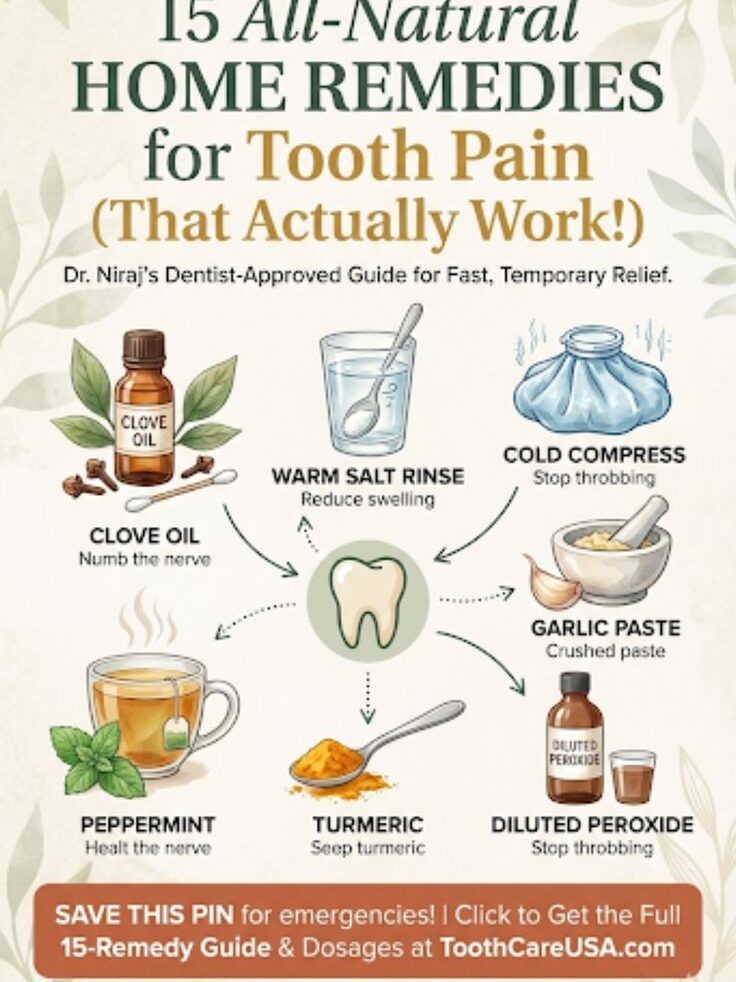
What does not work: Dental topicals, clove oil, and toothache gels applied to the gum provide zero relief from sinus pressure tooth pain. They address the tooth surface, which is not where the problem originates.
Can Allergies Cause the Same Tooth Pain?
Yes. Allergic rhinitis causes the same maxillary sinus inflammation through an immunological mechanism rather than infection. The pressure on the upper tooth roots is identical.
Allergy-driven sinus tooth pain tends to be:
- Seasonal or triggered by specific allergens
- Less intense than infection-driven pain
- Accompanied by sneezing, itchy watery eyes, and clear nasal discharge
- Responsive to antihistamines and nasal corticosteroid sprays like fluticasone
If your tooth pain returns predictably with seasons or after allergen exposure rather than with illness, allergic sinusitis is a strong candidate. An allergist or ENT can confirm this and provide long-term management.
When to See a Dentist
See a dentist rather than or in addition to a physician if:
- One specific tooth is significantly more painful than all the others
- Pain does not improve at all despite several days of sinus treatment
- Gum swelling or a visible bump near one tooth is present
- Cold liquids or sweet foods trigger sharp pain in one specific tooth
- You can see visible decay, a crack, or a broken filling
- The tooth pain was present before the sinus infection started
A dentist will perform percussion testing, thermal testing, and targeted X-rays to definitively determine whether the tooth itself has pathology. When both a dental problem and a sinus infection are present simultaneously, both must be treated. Treating only one will leave the other unresolved.
Frequently Asked Questions
Can a sinus infection cause tooth pain without nasal congestion?
This is uncommon. The vast majority of sinus tooth pain is accompanied by at least some nasal or facial pressure symptoms. Tooth pain with zero nasal symptoms has a much higher probability of a dental cause and should be evaluated by a dentist first.
How do I know if my tooth pain is sinus or dental?
Bend forward slowly and hold your head down for 10 to 15 seconds. Sinus tooth pain noticeably increases. Dental pain from a cavity or abscess does not change. Multiple teeth aching together with nasal congestion points to sinus. One specific sensitive tooth with no nasal symptoms points to dental.
Can a sinus infection cause tooth pain that feels like an abscess?
Yes. Significant sinus pressure can create an intense, constant aching that closely mimics an abscess. The key differences are the absence of a gum bump, normal findings on dental X-ray, and the presence of nasal and facial symptoms. A dentist can distinguish these definitively in one appointment.
Does sinus tooth pain go away on its own?
Yes, if caused by acute viral sinusitis it typically resolves within 7 to 10 days. It will not go away on its own if caused by bacterial sinusitis, chronic sinusitis, or a dental infection driving the sinus problem.
Can I fly with sinus tooth pain?
Not recommended. Cabin pressure changes during descent cause rapid pressure fluctuations inside the sinus cavities that can dramatically worsen sinus tooth pain. If you must fly, use a nasal decongestant spray 30 minutes before descent.
Conclusion
Can a sinus infection cause tooth pain? Yes, consistently and in a way that is thoroughly documented by the Mayo Clinic, Cleveland Clinic, and published dental research. The maxillary sinus sits directly above your upper molar and premolar roots, and when it becomes inflamed or infected, the pressure refers pain directly into those teeth through the trigeminal nerve.
Getting the diagnosis right is everything. Multiple upper teeth aching alongside nasal congestion, facial pressure, and pain that worsens when bending forward points clearly to sinus tooth pain. One sharply sensitive, temperature-reactive tooth with no sinus symptoms points clearly to a dental cause. When you treat the right source, the pain resolves completely. When you treat the wrong source, it does not. See a dentist to rule out a dental problem, see a physician to evaluate your sinuses, and when both conditions are present together, both need treatment at the same time.