
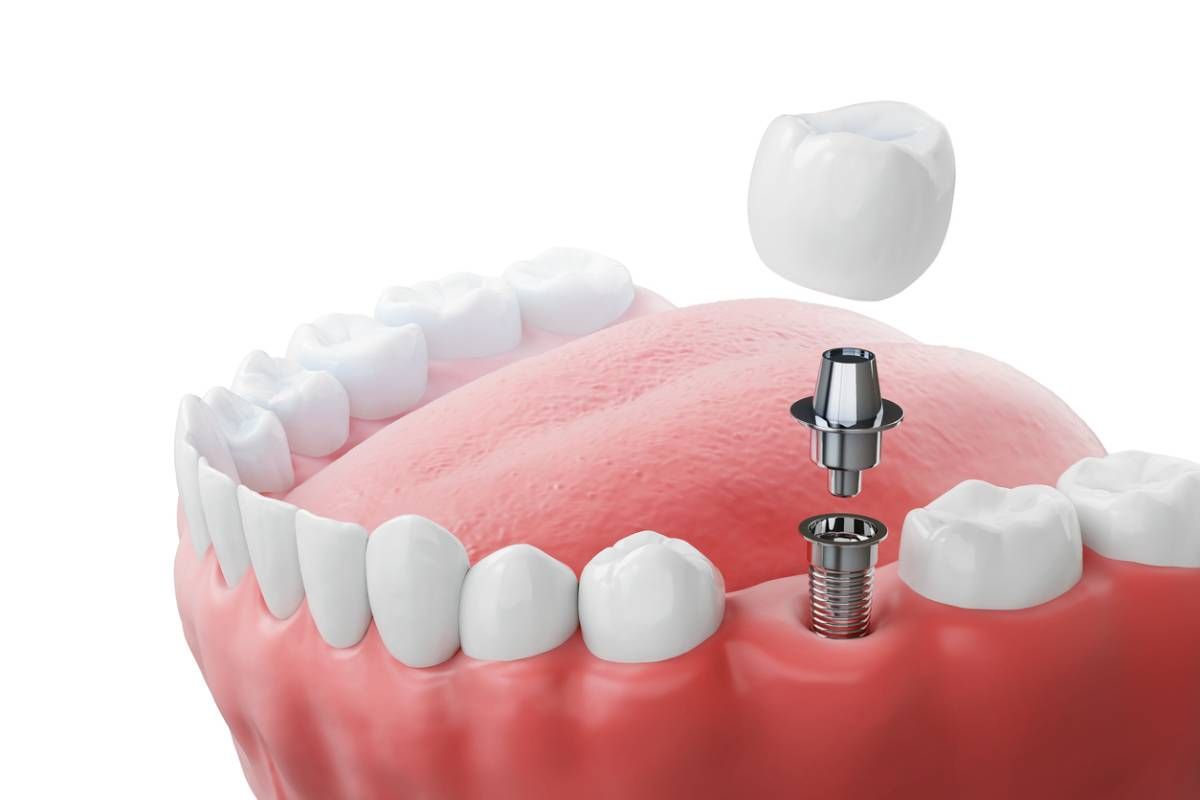
Most people searching how much are dental implants never think to ask about the retention system holding their crown in place. That one overlooked detail can be the difference between a crown that looks like a natural tooth and one that quietly announces itself every time you smile. Screwless implants, clinically called cement-retained implants, exist precisely to solve that problem. They deliver a cleaner, more natural-looking result for front teeth by eliminating the small screw access hole visible on traditional implant crowns. If you are seriously considering implants for your smile zone, understanding screwless implant cost and whether the upgrade is worth it should be part of your research before you sit in any dentist’s chair.
What Exactly Is a Screwless Implant?
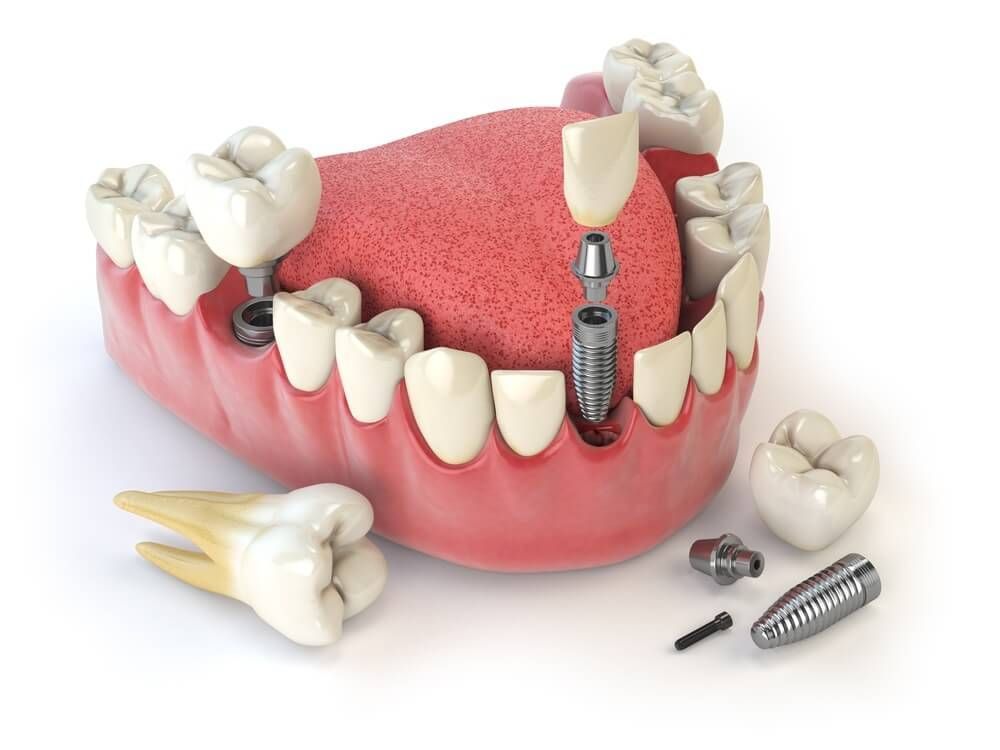
The implant post is placed into your jawbone the same way regardless of which system your dentist uses. The difference only appears at the final restoration stage. In a traditional screw-retained implant, a small screw passes through the crown and locks into the abutment beneath it. That screw hole gets filled with composite material but remains a structural compromise in the crown design.
A screwless implant uses dental cement to bond the crown directly over a pre-attached abutment. No hole, no filler, no compromise. The ceramist gets to work with a complete, uninterrupted block of ceramic, which means better color matching, more natural translucency, and a surface texture that genuinely mimics real tooth enamel. For anyone replacing a front tooth, this distinction matters enormously.
Screwless Implant Cost: The Honest Numbers
For a single tooth cement-retained restoration in the United States, patients should realistically budget between $3,000 and $5,500 in 2026. That range covers the titanium implant post, a custom cement-retained abutment, a ceramic crown, and standard follow-up care.
Compared to a conventional screw-retained implant at $3,000 to $6,000, screwless implant cost lands in almost exactly the same territory. The practical price difference between the two approaches is typically $200 to $500, with the decision driven by clinical and aesthetic factors far more than by cost. For a front tooth that will be visible every day for the next 25 years, that modest difference rarely gives patients pause once they understand what they are actually paying for.
What pushes screwless implant cost toward the higher end is the use of custom-milled abutments instead of stock components, premium all-ceramic crown materials like lithium disilicate, and practices that have invested in digital workflows and CAD/CAM fabrication technology. These are not arbitrary markups. They reflect a precision level that directly improves the long-term stability and appearance of your restoration.
Cement-Retained vs Screw-Retained: Which One Wins?
The answer of cement vs screw retained implant: which one wins? is depends entirely on where in your mouth the implant is going. Cement-retained screwless implants are the superior choice for front teeth and any position in the visible smile zone. The aesthetic outcome is simply better when the ceramist has complete design freedom without accommodating a screw channel.
The trade-off is retrievability. If a complication develops years down the line, removing a cemented crown without damaging it is genuinely difficult. Residual cement left below the gum line during placement can also trigger tissue inflammation if not managed carefully, which is why choosing an experienced clinician matters as much as choosing the right system.
Screw-retained implants hold a clear advantage for back teeth, molar positions, and full-arch restorations like All-on-4. The ability to unscrew, adjust, and replace individual components over decades is a practical necessity for those cases. There is also no cement below the gum line, which eliminates that particular complication risk entirely.
The rule most prosthodontists follow is straightforward. Cement retention for the visible front smile. Screw retention for the functional back of the mouth and full-arch bridges. If you are asking how much are dental implants for one front tooth specifically, cement-retained is almost always the better aesthetic answer.
Zirconia vs Titanium: Does the Material Change Your Cost?

Here is the complete guide of Zirconia vs Titanium implants:
Titanium has been the gold standard in implant dentistry for over 50 years and for good reason. It integrates with bone reliably, carries a 10-year success rate above 95 percent, and costs $1,500 to $2,500 for the implant post. For most patients across most clinical situations, titanium is the evidence-backed default that delivers excellent outcomes at a reasonable price.
Zirconia implants offer a metal-free alternative that appeals to patients with thin gum tissue, metal sensitivities, or strong aesthetic preferences. Because zirconia is a white ceramic material, it blends naturally with gum tissue and eliminates the faint grey shadow that titanium can sometimes cast near the gum line in certain patients. When combined with a cement-retained all-ceramic crown, a zirconia implant produces an anterior restoration that is essentially undetectable as artificial.
The cost premium for zirconia runs 15 to 25 percent above titanium, pushing the implant post cost to $2,000 to $3,500. A complete screwless implant restoration using zirconia with CAD/CAM ceramic crown fabrication can reach $5,000 to $7,500 for a single front tooth. That is the current premium ceiling of single-tooth implant dentistry and is chosen by patients who have decided that aesthetics are the non-negotiable priority.
For patients without specific metal sensitivity concerns or thin tissue issues, titanium paired with a high-quality all-ceramic cement-retained crown delivers outstanding results at a meaningfully lower cost.
Advanced Technologies That Affect Screwless Implant Cost
Several technologies that have become standard at leading implant practices directly influence both the quality of your outcome and how much are dental implants at those facilities.
Computer-guided surgery uses a 3D scan of your jaw to create a surgical guide that positions the implant drill at precisely the planned angle and depth. It adds $300 to $800 to the procedure cost and meaningfully reduces surgical error, protects adjacent nerves, and shortens recovery time. For anterior implant cases where the margin for error is smallest, guided surgery is a worthwhile investment.
CAD/CAM crown fabrication mills the ceramic crown from a solid block using digital specifications rather than traditional hand impressions. For cement-retained restorations specifically, crown fit precision determines the long-term integrity of the cement seal, making this technology particularly relevant. The additional cost is $200 to $500 per crown.
Platelet-Rich Fibrin, or PRF, uses your own blood-derived growth factors to accelerate healing at the implant site. It adds $300 to $600 and produces better soft tissue architecture around the abutment, which is visible in the final aesthetic result of any cement-retained crown placed in the smile zone.
What Insurance Actually Covers

Insurance coverage for screwless implants follows the same pattern as the broader implant market. Most dental plans do not distinguish between retention systems. If your plan covers implants at all, that benefit applies whether the crown is cemented or screwed into place.
The practical reality for patients asking how much are dental implants with insurance in this context is that technology premiums like guided surgery fees and CAD/CAM charges are rarely reimbursed separately. The clinical procedure is covered to the extent your plan allows. FSA and HSA accounts can be applied to the full treatment cost including those technology fees, which provides a meaningful tax-advantaged reduction in your out-of-pocket expense.
Third-party financing through CareCredit and similar platforms covers advanced implant procedures without restriction. A 24-month interest-free plan on a $5,000 screwless implant restoration works out to roughly $208 per month, which most patients find far more approachable than the total figure seen at once.
FAQs
Is screwless implant cost significantly higher than a regular implant?
Not significantly. Most patients pay $200 to $500 more for cement-retained over screw-retained, with the total typically between $3,000 and $5,500.
Are screwless implants better for front teeth?
Yes. The absence of a screw hole gives the ceramist complete design freedom, producing a more natural result in the visible smile zone.
Do screwless implants last as long as traditional implants?
Yes. When placed by an experienced clinician with proper cement management, long-term success rates are comparable to screw-retained systems.
How much more do zirconia implants add to the cost?
Roughly $500 to $1,000 more for the implant post alone, representing a 15 to 25 percent premium over standard titanium.
Can I use insurance toward screwless implant cost?
Partial coverage may apply under major restorative benefits. Insurance treats cement-retained and screw-retained implants the same way, so standard implant codes apply.
Conclusion
Screwless implant cost in 2026 is not the dramatic premium most patients fear when they first hear the term. At $3,000 to $5,500 for a single tooth, it sits comfortably within the same range as conventional implants while delivering a genuinely superior aesthetic result for front teeth and visible smile positions. The modest price difference between cement-retained and screw-retained systems is rarely the deciding factor once patients understand what that difference actually buys them in terms of crown design freedom and natural appearance.
If you are still piecing together the full picture of how much are dental implants across every scenario, from how much are mini dental implants to how much are full mouth dental implants with All-on-4, our main cost guide covers every option in one place. The right implant system for you depends on where the tooth sits, what your tissue and bone look like, and what level of aesthetic outcome matters to you. That conversation starts with a qualified prosthodontist who can evaluate all three.