

Many people ask what is oral surgery and whether it’s only for wisdom teeth. This specialized field addresses everything from simple extractions to complex jaw reconstruction. Many people feel anxious about these procedures because they don’t understand what’s involved. That’s where this guide comes in.
Oral and maxillofacial surgery treats conditions affecting your mouth, teeth, jaws, and face. These procedures range from routine tooth extractions to life-changing corrective jaw surgery. Understanding what Dental surgery involves helps you make informed decisions about your care.
This article will walk you through everything you need to know. We’ll explore different dental surgical procedures, who needs them, and what to expect. You’ll learn about risks, recovery, and costs. By the end, you’ll feel confident about your treatment journey.
Types of Oral Surgery Procedures
Tooth Extractions & Wisdom Teeth Removal
Tooth extraction becomes necessary when a tooth is damaged beyond repair. Decay, infection, or overcrowding often makes removal the best option. Simple extractions involve teeth visible above the gumline.
Surgical tooth extraction is more complex. This applies when teeth haven’t erupted fully or are broken below the gumline. Wisdom teeth removal is the most common surgical extraction performed today. When patients learn what is oral surgery, fear often decreases.
Key points about wisdom tooth extraction:
- Most people need removal between the ages 17 and 25
- Impacted wisdom teeth grow sideways or only partially erupt
- Recovery typically takes one to two weeks
- Swelling peaks around day three after surgery
- Most patients return to normal activities within a week
Dental Implants & Bone Grafting
Dental implants represent the gold standard for replacing missing teeth. Unlike dentures or bridges, implants fuse with your jawbone. They look, feel, and function like natural teeth.
The dental implant placement process involves several stages over several months. First, your surgeon places a titanium post into your jawbone. Over the next three to six months, osseointegration occurs.
Benefits of dental implants include:
- Permanent tooth replacement solution
- Preserves jawbone density and structure
- No damage to adjacent healthy teeth
- Natural appearance and function
- It can last a lifetime with proper care
Bone grafting solves problems when patients lack sufficient bone to support implants. Dental bone grafting uses bone from another source to rebuild your jawbone. All-on-4 dental implants offer a faster solution for those missing all teeth in one arch.
Corrective Jaw Surgery
Corrective jaw surgery, also called orthognathic surgery, addresses skeletal problems affecting jaw alignment. These issues cause difficulty chewing, speaking, or breathing. They may also create facial imbalance and chronic pain.
Conditions treated with jaw surgery:
- Severe underbites, overbites, and crossbites
- Obstructive sleep apnea when other treatments fail
- Facial trauma requiring reconstruction
- Birth defects affecting jaw development
- Chronic TMJ pain unresponsive to other treatments
Jaw surgery recovery requires patience. Initial healing takes six weeks, during which your jaw may be wired or banded. Complete recovery spans several months for optimal results.
TMJ Surgery & Oral Pathology Procedures
TMJ disorders affect the temporomandibular joint, which connects your jaw to your skull. When it malfunctions, you experience pain, clicking, and limited movement. Dental surgery for TMJ pain dramatically improves quality of life.
Oral pathology involves diagnosing and treating diseases affecting oral tissues. Surgeons remove suspicious lesions and perform biopsies for examination. Oral cancer screening identifies potentially dangerous changes early when treatment is most effective.
Emergency Surgical Dentistry
Emergency mouth surgery addresses urgent situations that can’t wait for scheduled appointments. Facial trauma surgery repairs injuries from accidents, sports, or assaults that require immediate attention.
Emergencies requiring immediate care:
- Knocked-out teeth (best saved within one hour)
- Broken or fractured jaws
- Severe uncontrolled bleeding
- Rapidly spreading infections
- Deep lacerations to the face or mouth
Who Needs Oral Surgery? What Is Oral Surgery
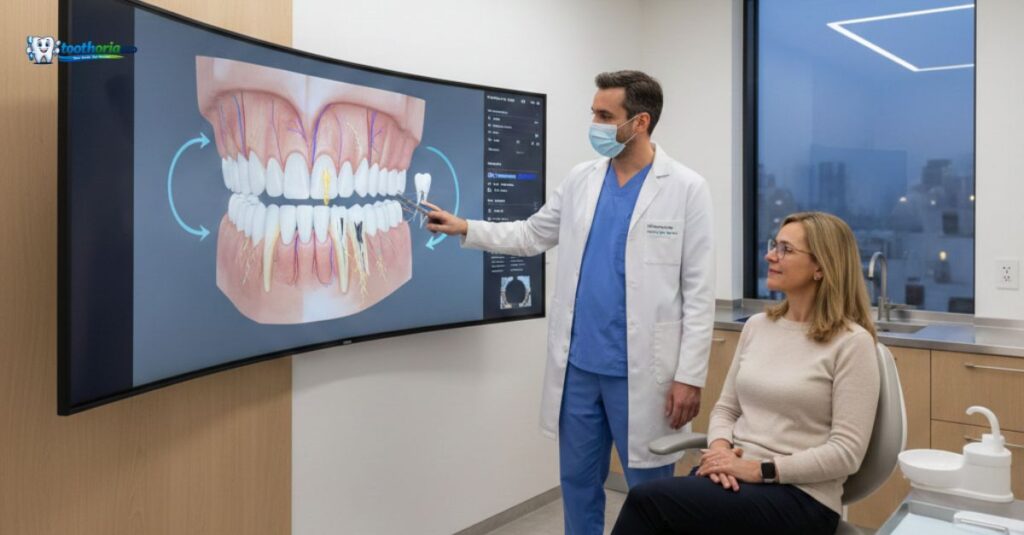
Knowing what is oral surgery helps patients recognize when treatment is necessary.
Some situations involve clear medical necessity, while others improve the quality of life significantly.
Dental conditions top the list of reasons people need surgery. Severely decayed teeth that can’t be restored require extraction. Impacted wisdom teeth causing pain or infection need removal immediately.
Conditions treated by oral surgeons include:
- Impacted or infected wisdom teeth
- Severe tooth decay beyond restoration
- Advanced periodontal disease with bone loss
- Missing teeth requiring implant placement
- Misaligned jaws affecting bite and function
- TMJ disorders cause chronic pain
- Obstructive sleep apnea needs surgical intervention
- Oral cancer or suspicious lesions
- Facial trauma from accidents or injuries
Age plays a role in surgical needs throughout life. Teenagers commonly undergo wisdom teeth removal as a preventive measure. Adults more often need dental implants or periodontal surgery for various conditions.
When to see an oral surgeon isn’t always obvious to patients. Your general dentist identifies issues beyond their scope of practice. They provide an oral surgeon referral when specialized care is needed for complex cases.
Risks, Safety, and Pain Management
Is oral surgery painful? Modern pain management makes procedures surprisingly comfortable for most patients. Understanding the risks of mouth surgery helps you prepare mentally and physically for the treatment ahead.
Anesthesia Options
Anesthesia in dental operations comes in several forms to suit different needs. Local anesthesia numbs only the treatment area while you remain awake. Sedation dentistry reduces anxiety for nervous patients through various methods.
Available anesthesia options:
- Local anesthesia for simple procedures
- Nitrous oxide (laughing gas) for mild relaxation
- Oral sedatives taken before the appointment
- IV sedation for twilight state
- General anesthesia for complex surgeries
Safety Protocols
Your surgical dentistry clinic follows strict safety protocols during every procedure. Surgeons monitor vital signs throughout procedures using advanced equipment. Emergency equipment stands ready, though serious complications are extremely rare.
Potential Complications
Common complications after surgical dental treatment include bleeding, swelling, and bruising as normal healing responses. Dry socket occurs when the blood clot protecting an extraction site dislodges prematurely. Infection represents a more serious concern requiring prompt treatment.
Oral surgical care risks vs benefits usually favor treatment in most cases. Leaving problems untreated often leads to worse outcomes over time. Oral surgery for anxious patients requires special consideration, and sedation options help significantly.
Preparing for Surgical Dental Treatment

Preparing for surgical dentistry sets the stage for successful outcomes and faster recovery. Your surgeon’s office provides specific instructions, but general guidelines apply to most procedures.
Pre-Surgery Consultation
Your oral surgery consultation starts the preparation process with your surgeon. This appointment allows you to meet your surgeon and ask important questions about treatment.
Important questions to ask:
- What does the procedure involve exactly?
- How long will the surgery take?
- What type of anesthesia will I receive?
- What is the expected recovery timeline?
- When can I return to work or school?
- What are the costs and payment options?
Medical Preparations
Pre-surgery tests may be necessary for your safety. X-rays and CT scans help surgeons plan your procedure precisely. Blood work checks for conditions that might complicate surgery or anesthesia.
Pre-surgery requirements:
- Stop smoking at least two weeks before
- Avoid alcohol for several days prior
- Follow fasting instructions carefully
- Arrange transportation home after surgery
- Have someone stay with you for 24 hours
- Fill prescriptions before your appointment
Home Preparation
Prepare your recovery space at home before your oral surgery appointment. Stock soft foods like yogurt, smoothies, soup, and mashed potatoes. Set up a comfortable spot with extra pillows to keep your head elevated.
Recovery and Aftercare
Advanced dental treatment recovery varies depending on the procedure performed on you. Understanding post-operative care requirements helps you heal faster and avoid potential complications.
Immediate Post-Operative Care
Oral surgery recovery tips start with managing immediate symptoms after surgery. Bleeding is normal for the first few hours following procedures. Bite gently on gauze pads placed over surgical sites as directed.
First 24 hours after surgery:
- Apply ice packs 20 minutes on, 20 minutes off
- Take prescribed medications on schedule
- Stick to soft, cold foods only
- Avoid using straws (causes dry socket)
- Rest with your head elevated on pillows
- Don’t rinse your mouth vigorously
Managing Pain and Swelling
Swelling peaks two to three days after surgery as part of healing. After the first day, switch to warm compresses for comfort. Some bruising may develop, which is expected.
Diet During Recovery
Diet plays a huge role in successful recovery after procedures. Stick to soft foods for several days following surgery. Cold items like ice cream and smoothies feel soothing on surgical sites.
Recommended soft foods:
- Yogurt and pudding
- Smoothies and protein shakes
- Mashed potatoes and gravy
- Soups (cooled to lukewarm)
- Scrambled eggs
- Pasta with soft sauce
Oral Hygiene After Surgery
Oral surgery post-op care includes keeping your mouth clean without disturbing the healing. Don’t brush surgical sites for the first day after procedures. After that, gently clean around them with soft bristles.
Warning Signs
Watch for signs of complications after mouth surgery that need attention. Fever above 101 degrees, increasing pain after the third day, or excessive bleeding require immediate contact with your surgeon.
Contact your surgeon immediately if you experience:
- High fever or chills
- Severe pain unrelieved by medication
- Excessive bleeding beyond 24 hours
- Signs of infection (pus, foul odor)
- Difficulty breathing or swallowing
- Numbness lasting beyond the expected timeframe
Cost and Insurance Considerations

Oral surgery cost varies widely based on multiple factors and procedures. Understanding financial aspects helps you plan and avoid unwelcome surprises during treatment.
Procedure Costs
Simple tooth extractions typically cost between $75 to $300 per tooth. Surgical tooth extraction for impacted wisdom teeth ranges from $225 to 600 dollars each. Dental implants represent a significant investment at $3,000 to $6,000 per tooth.
Average costs by procedure:
- Simple extraction: $75-$300
- Wisdom teeth removal (all four): $1,000-$3,000
- Single dental implant with crown: $3,000-$6,000
- All-on-4 dental implants: $15,000-$30,000
- Corrective jaw surgery: $20,000-$40,000
- TMJ surgery: $5,000-$50,000
Insurance Coverage
Dental insurance coverage depends on your specific plan and procedure type. Most policies cover medically necessary procedures like impacted wisdom teeth removal. Coverage for dental implants is less common, though this is gradually changing.
Payment Options
Payment plans make treatment accessible for many patients without insurance. Many practices offer financing through third-party companies with monthly payments. Some offices provide in-house payment arrangements tailored to your budget.
FAQs About Oral Surgery
What is oral surgery?
What is oral surgery? It is a specialized field of dentistry that focuses on the surgical treatment of the mouth, jaw, face, and teeth.
Is dental surgery painful?
Modern anesthesia and pain management make procedures surprisingly comfortable. You won’t feel pain during surgery, and prescribed medications control discomfort effectively afterward.
How long does recovery take?
Oral surgery recovery time varies by procedure. Simple extractions heal in 3-5 days, wisdom teeth take 1-2 weeks, dental implants require 3-6 months for integration, and jaw surgery spans several months.
Are there alternatives to surgery?
Sometimes alternatives exist depending on your condition. Root canals can save teeth that might need extraction, and bridges or dentures can replace missing teeth instead of implants.
When should I contact my surgeon after surgery?
Call immediately for uncontrolled bleeding, high fever, severe pain unrelieved by medication, difficulty breathing or swallowing, or numbness lasting longer than expected.
What does mouth surgery involve?
This depends entirely on your specific procedure type. Surgeons explain everything during your consultation, describing steps, duration, and what you’ll experience throughout treatment.
Who performs oral surgery?
Oral surgeons complete dental school plus four to six years of specialized surgical training. They’re qualified specialists who handle complex cases requiring advanced expertise.
Can I have same-day surgical dentistry?
Many procedures happen on the same day you schedule appointments. Simple extractions often don’t require planning, though complex cases need a pre-operative workup.
How do I find an oral surgery clinic near me?
Ask your dentist for trusted recommendations in your area. Check with your insurance for in-network providers, and read online reviews for patient perspectives.
Conclusion & Call to Action
Now that you understand what is oral surgery, you can approach treatment with confidence.
Surgical dentistry encompasses procedures that dramatically improve health, function, and quality of life. From routine tooth extractions to complex corrective jaw surgery, these treatments address problems that won’t resolve on their own.
You now understand common oral surgery procedures like wisdom teeth removal, dental implants, and bone grafting. Modern techniques and anesthesia make these safer and more comfortable than ever before.
Don’t let fear prevent you from seeking necessary care. An oral surgical care consultation provides personalized recommendations without obligation. Your oral surgeon will assess your condition and explain all available options clearly.
Your oral health impacts overall wellness significantly. Infections spread beyond your mouth. Misaligned jaws cause chronic pain. Missing teeth affects nutrition and confidence daily.
Take the next step today. Schedule a consultation with a qualified oral surgeon to discuss your concerns. Whether you need dental implants or other procedures, expert care is available. Your journey to a healthier smile starts now.